Backbone & Bulkheads
Spring 2026
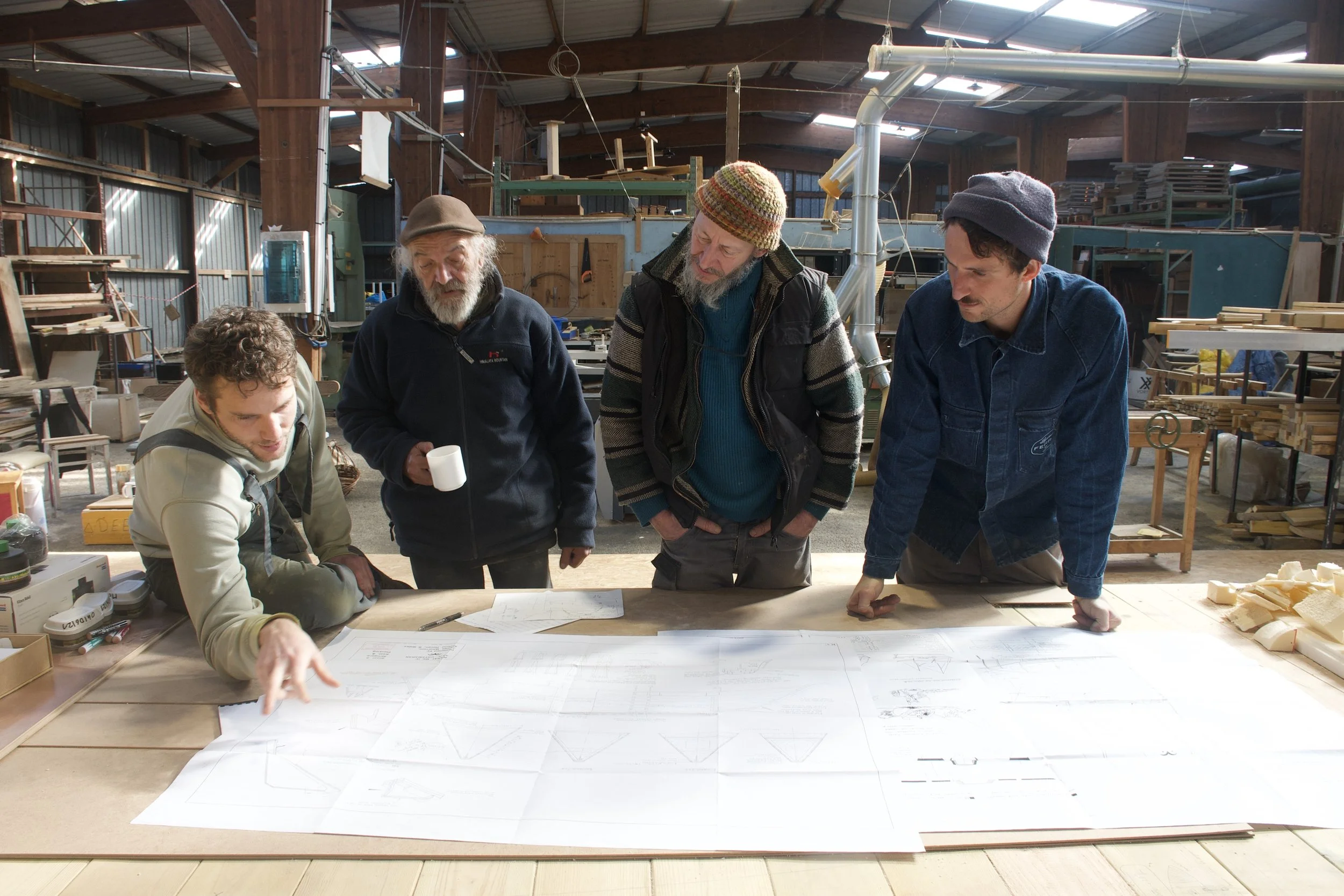
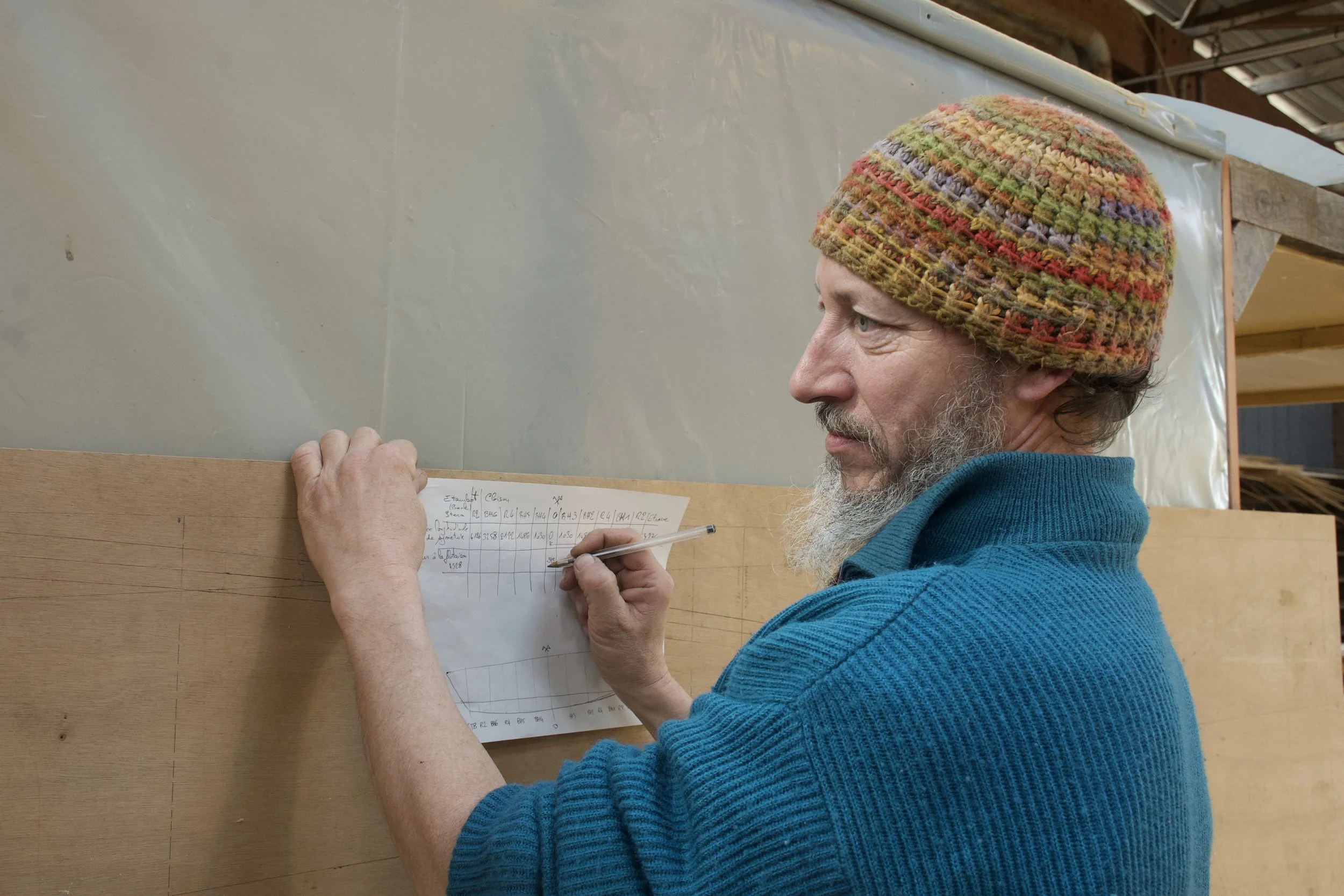
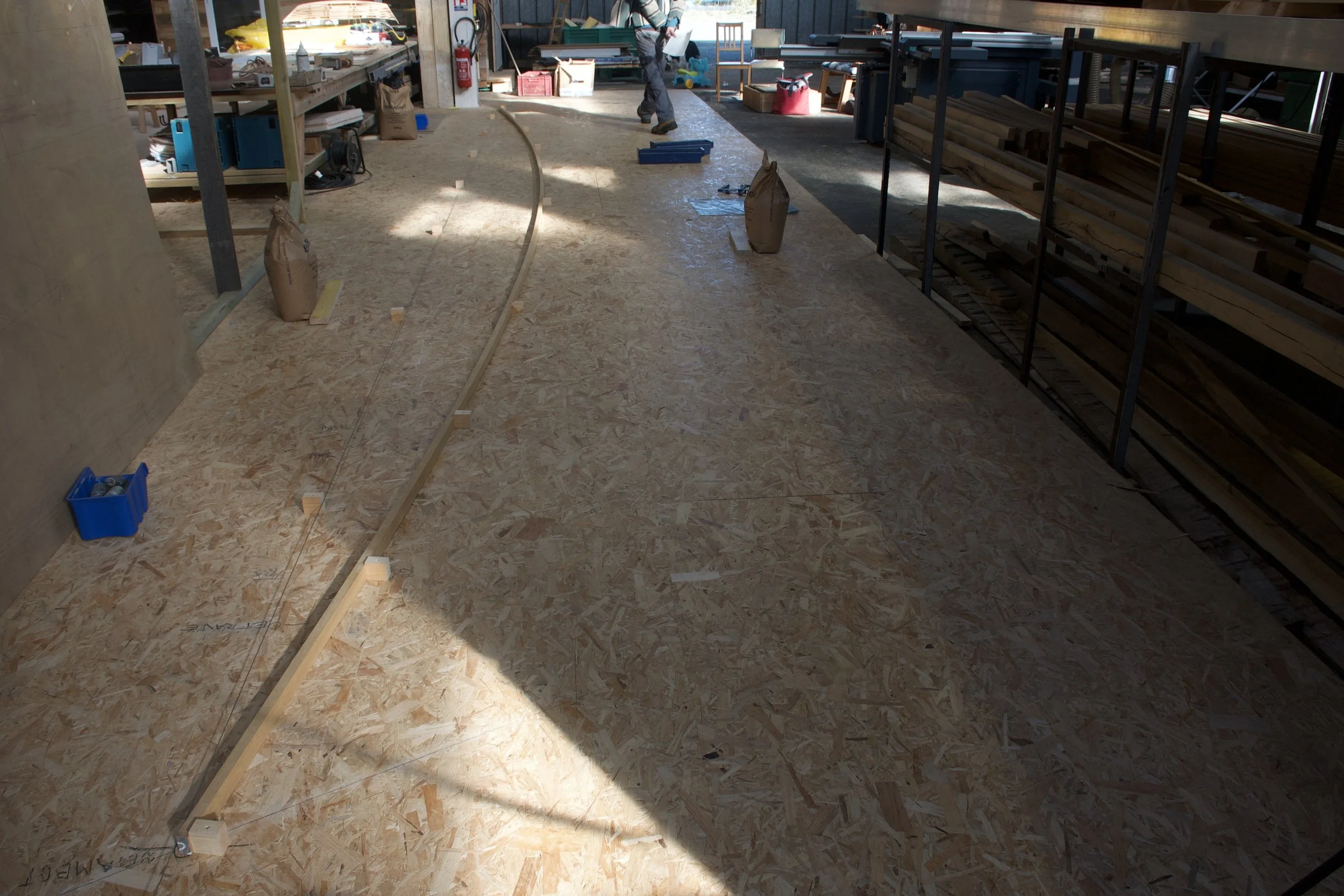
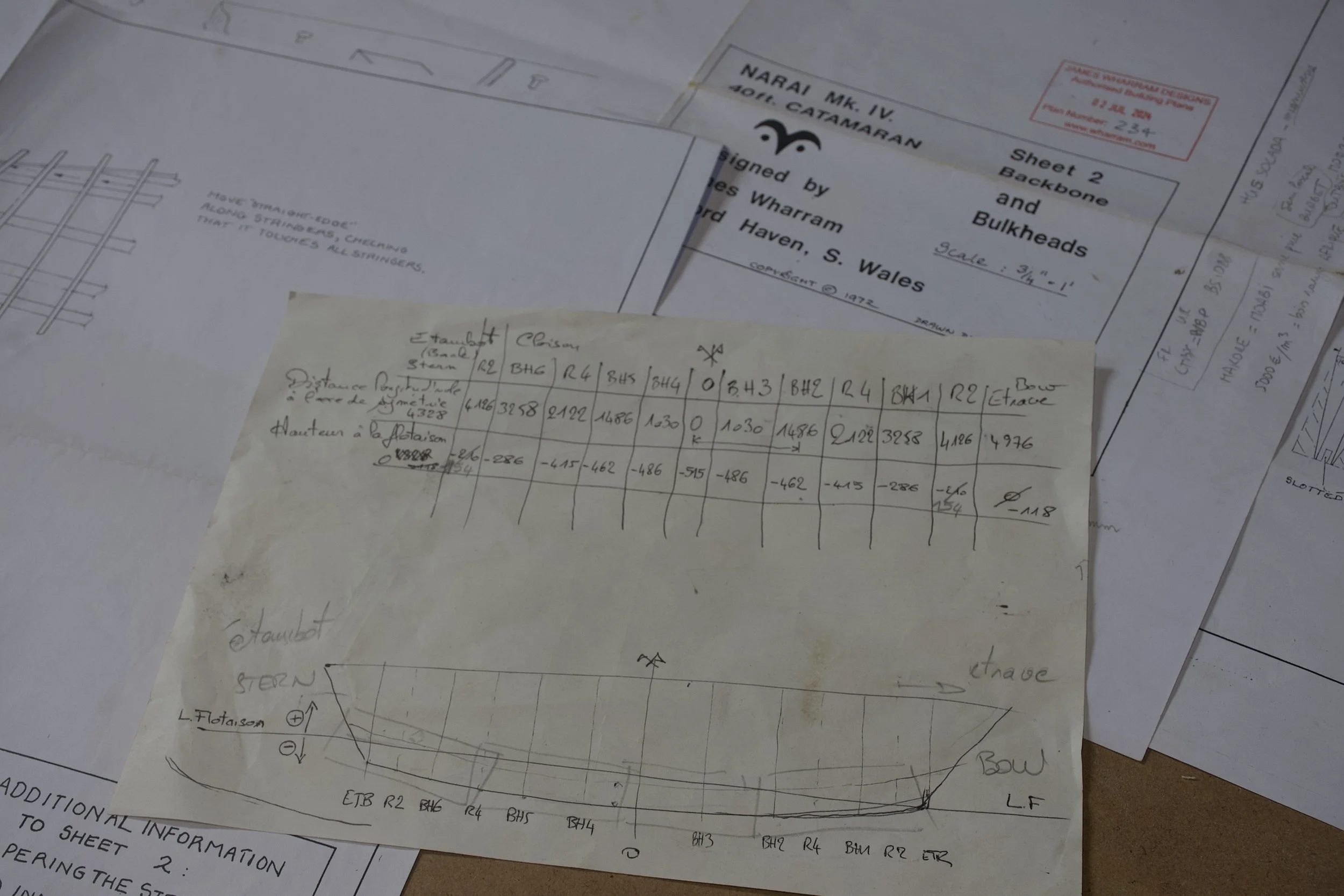
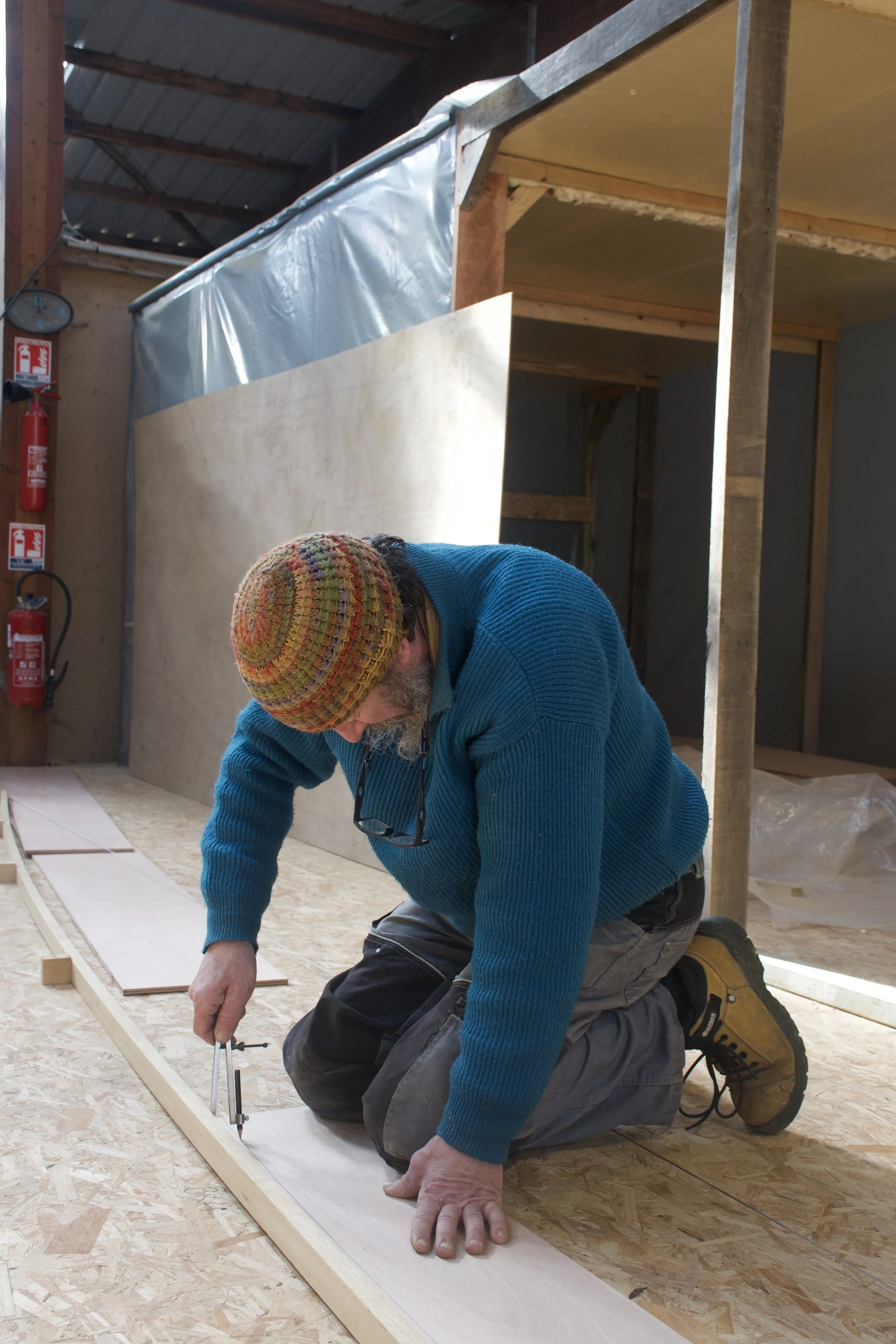
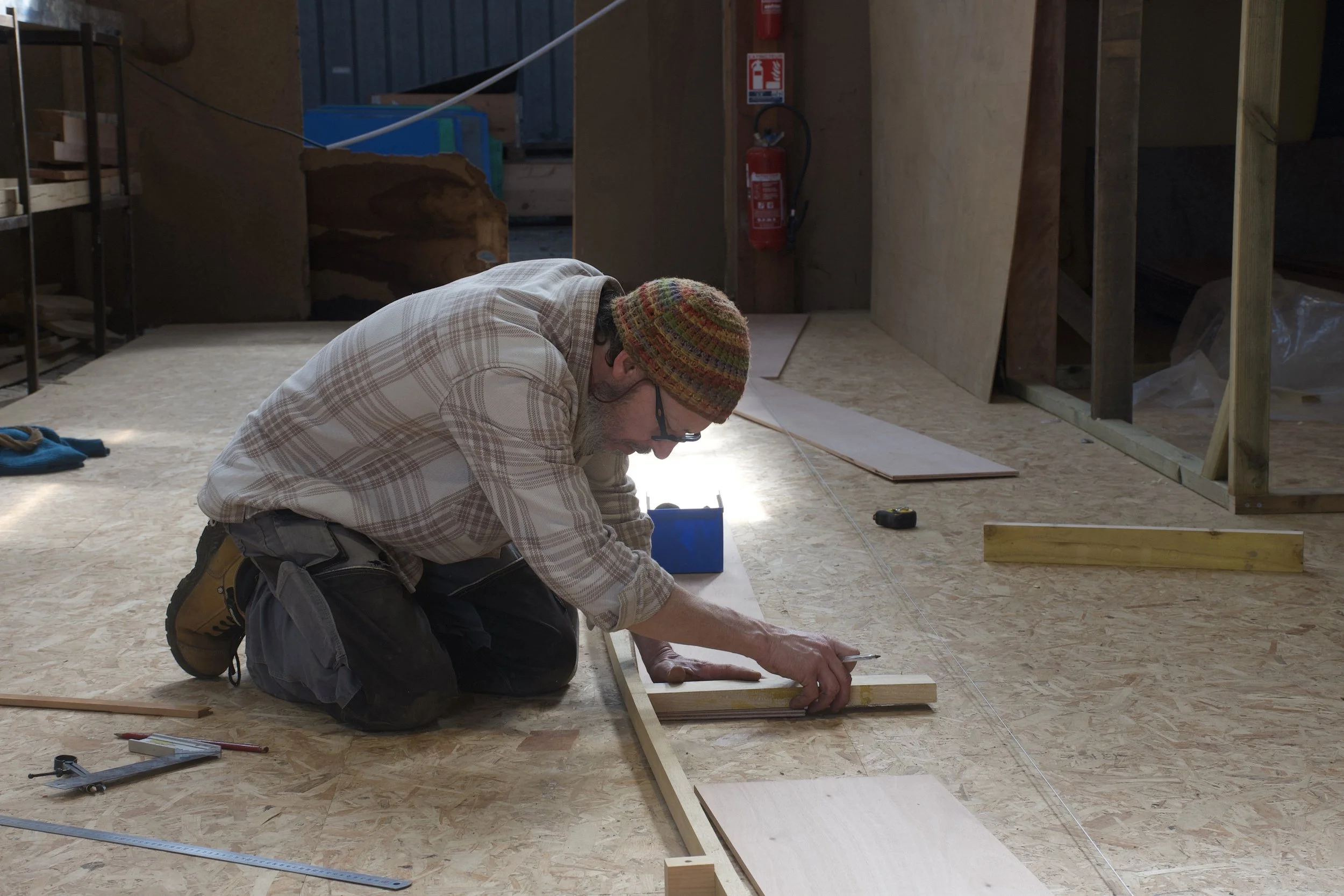
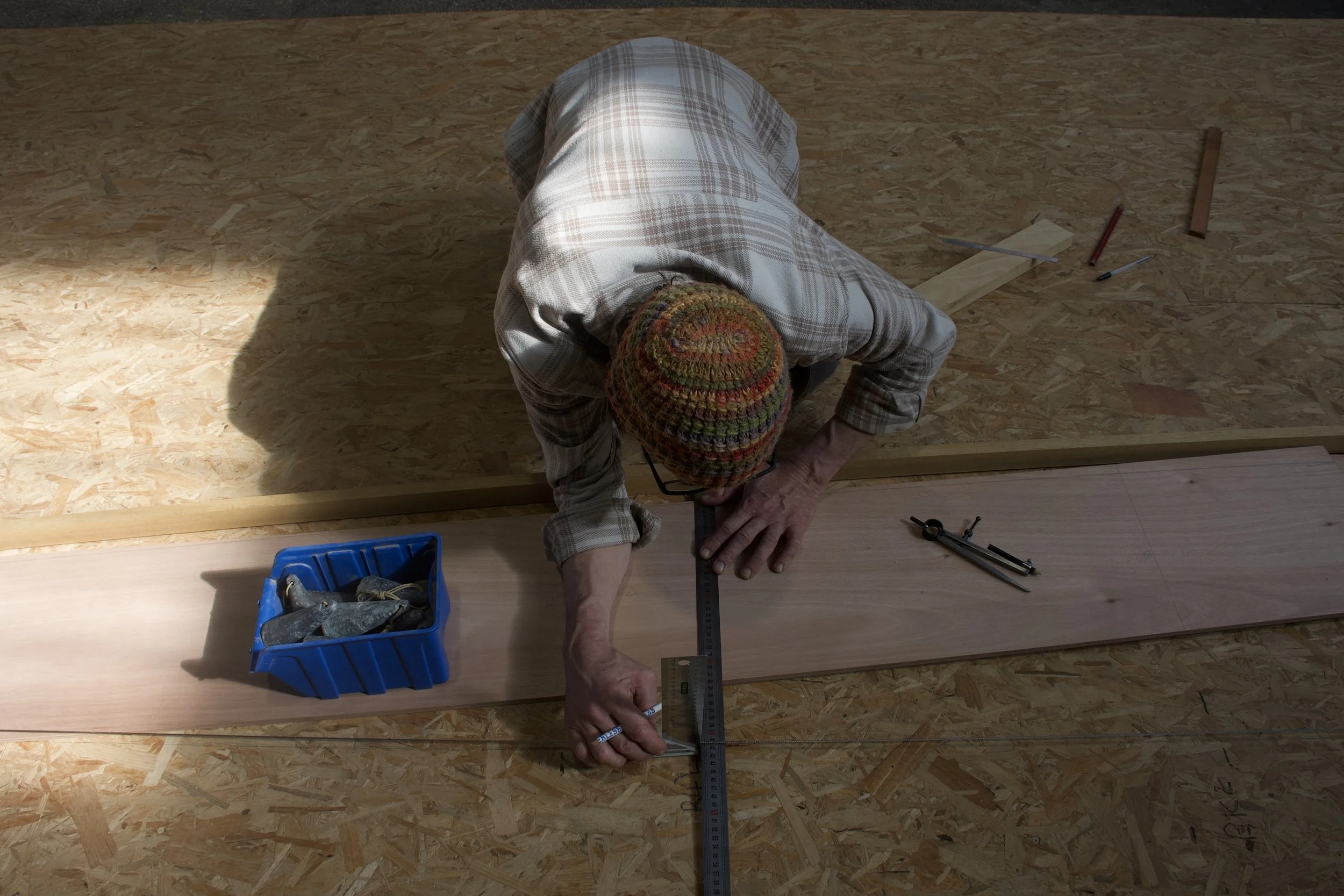
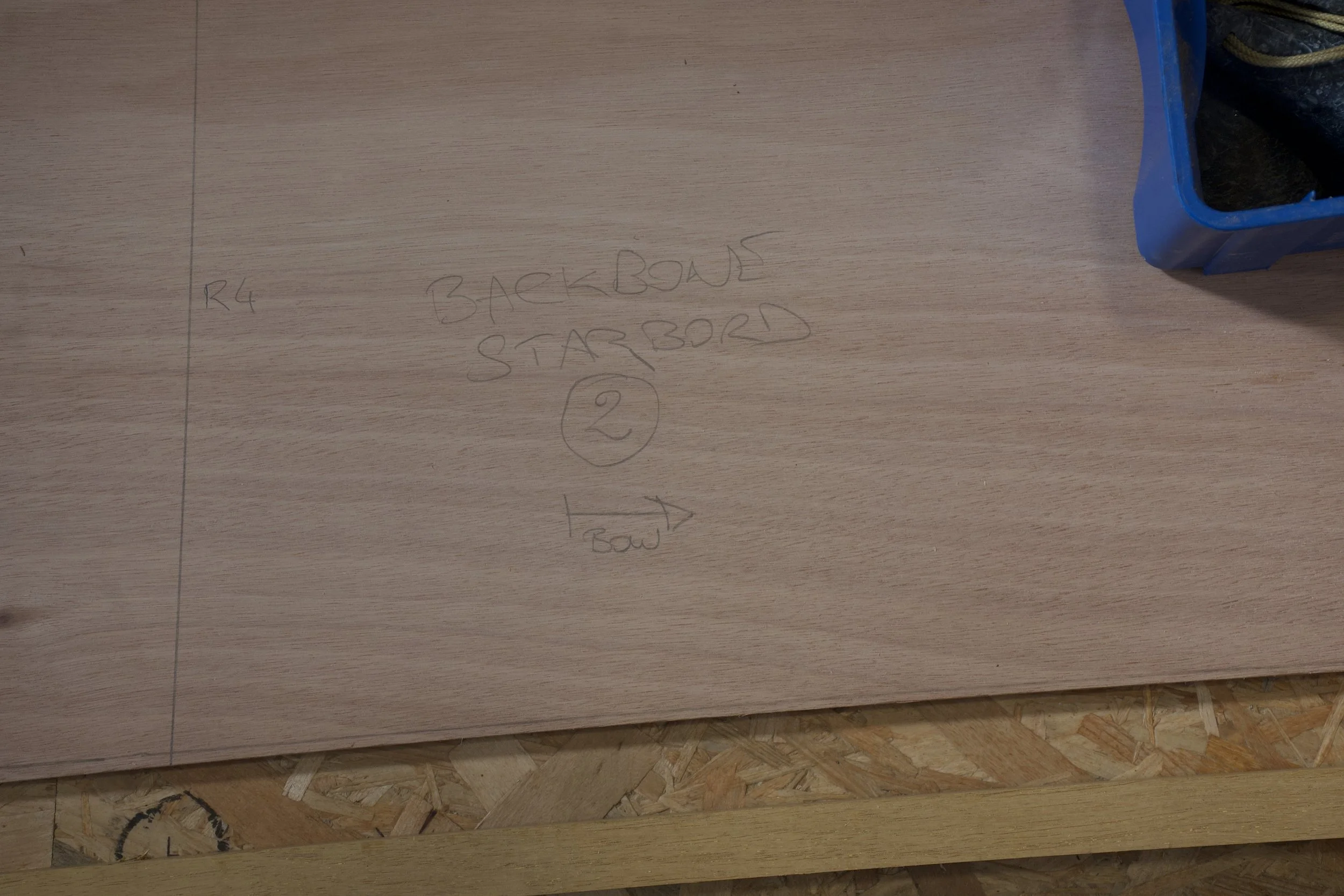
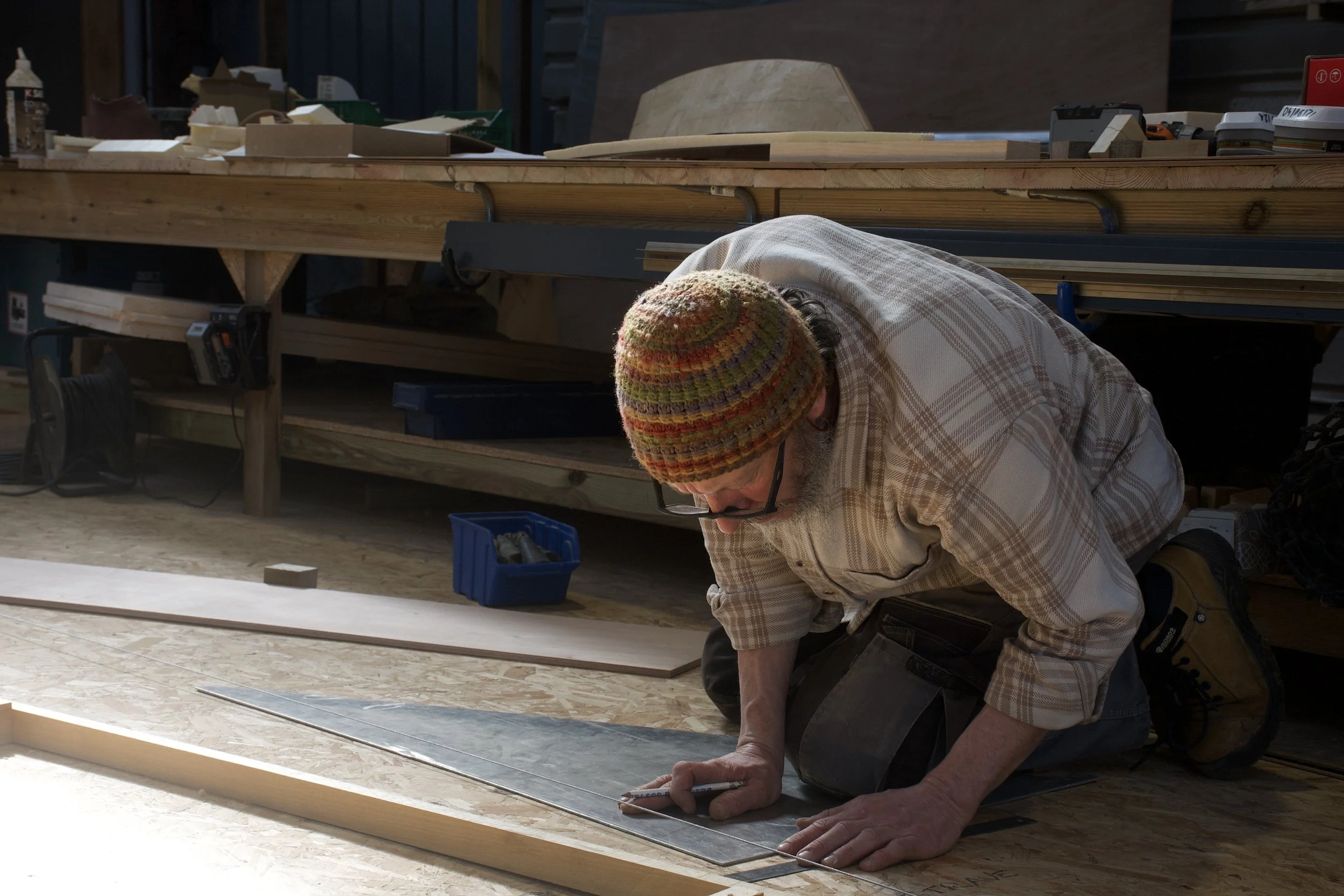
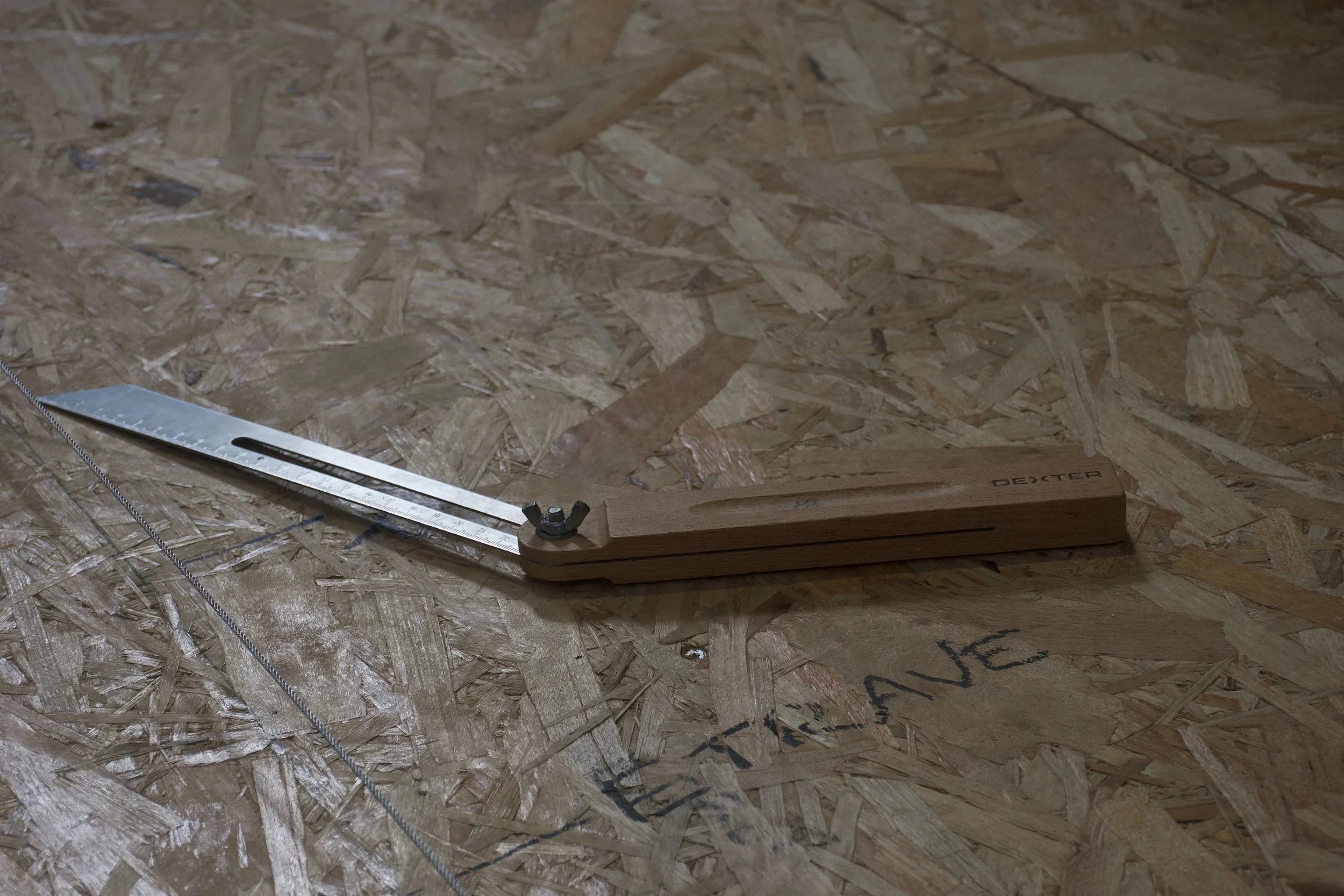
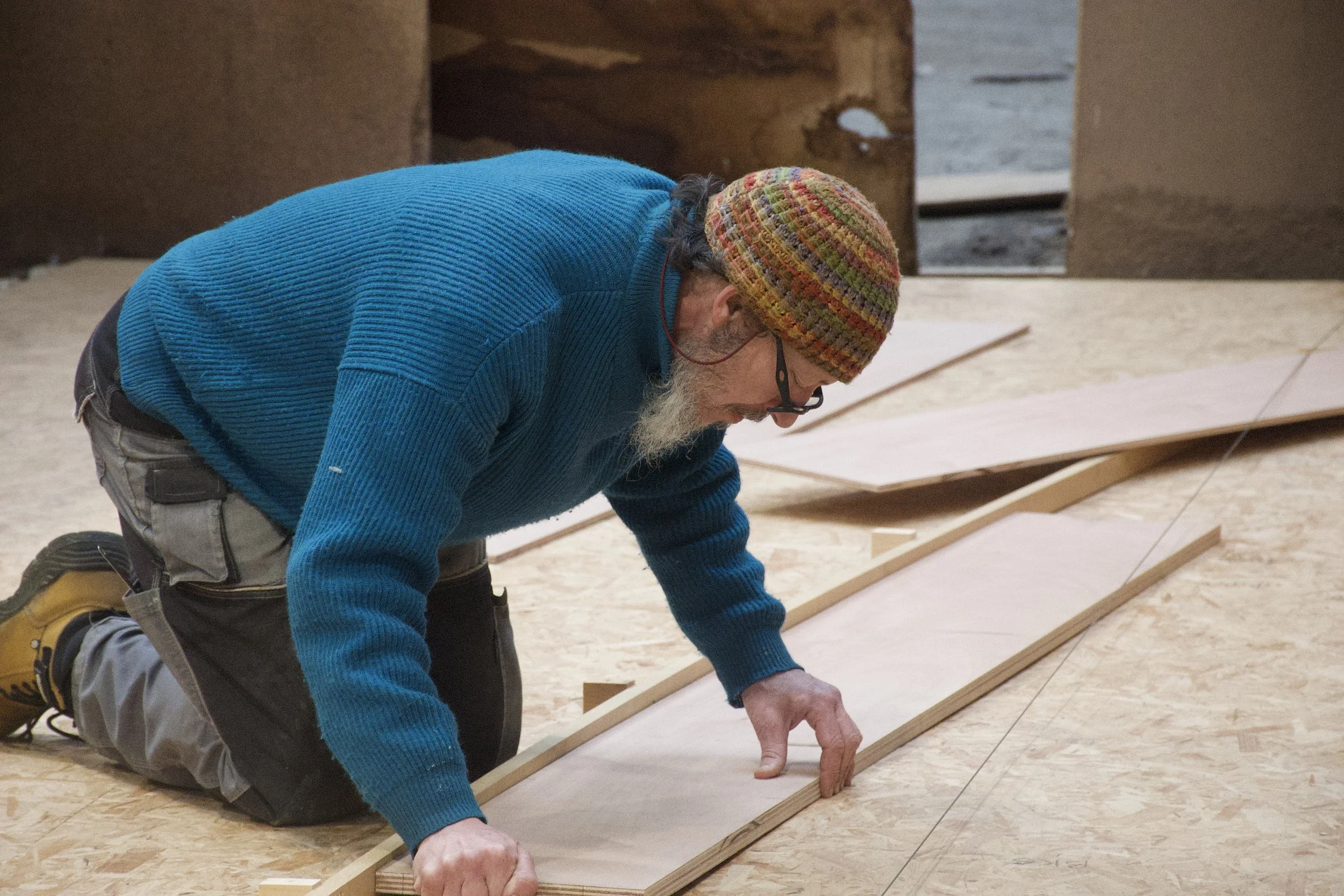
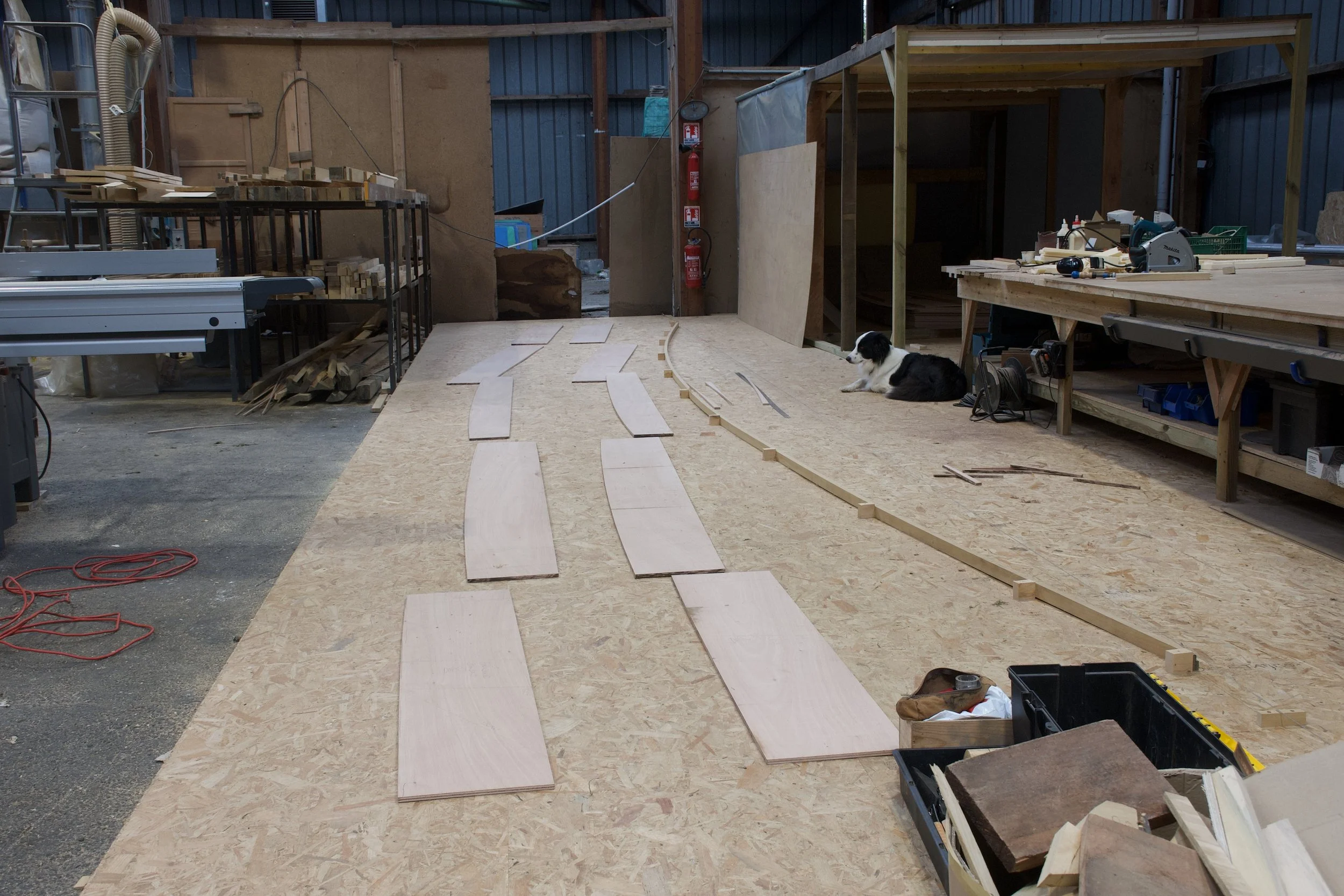
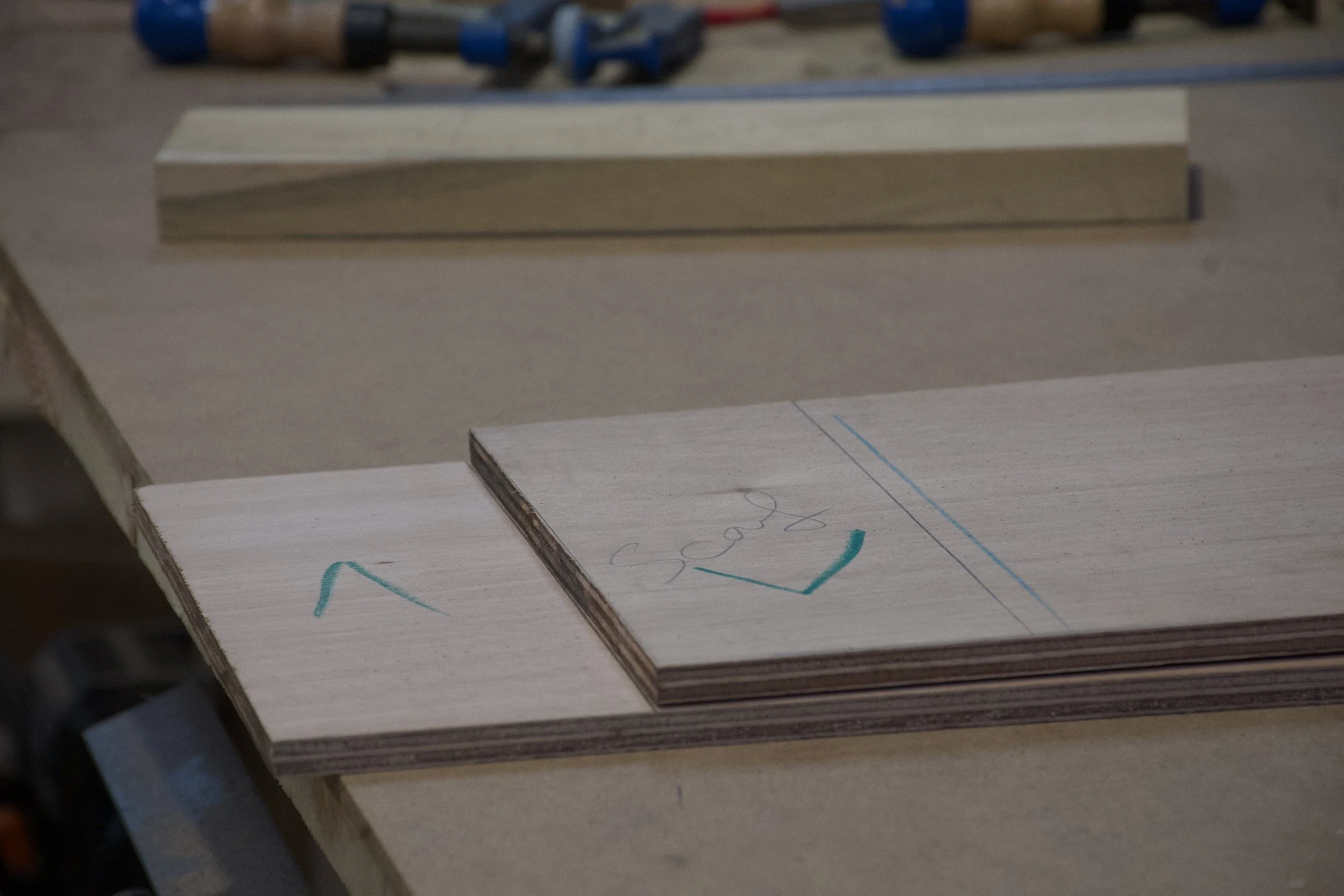
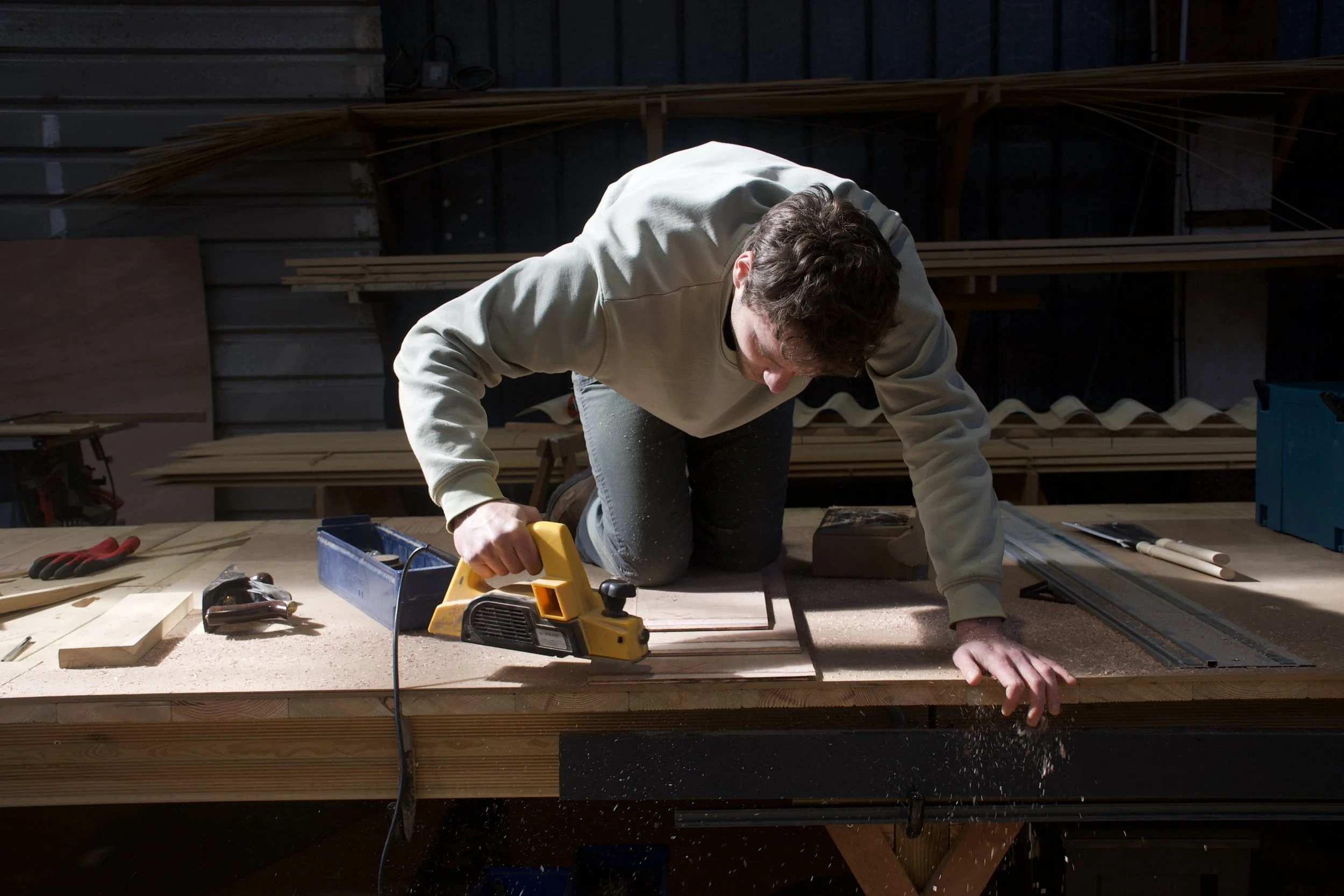
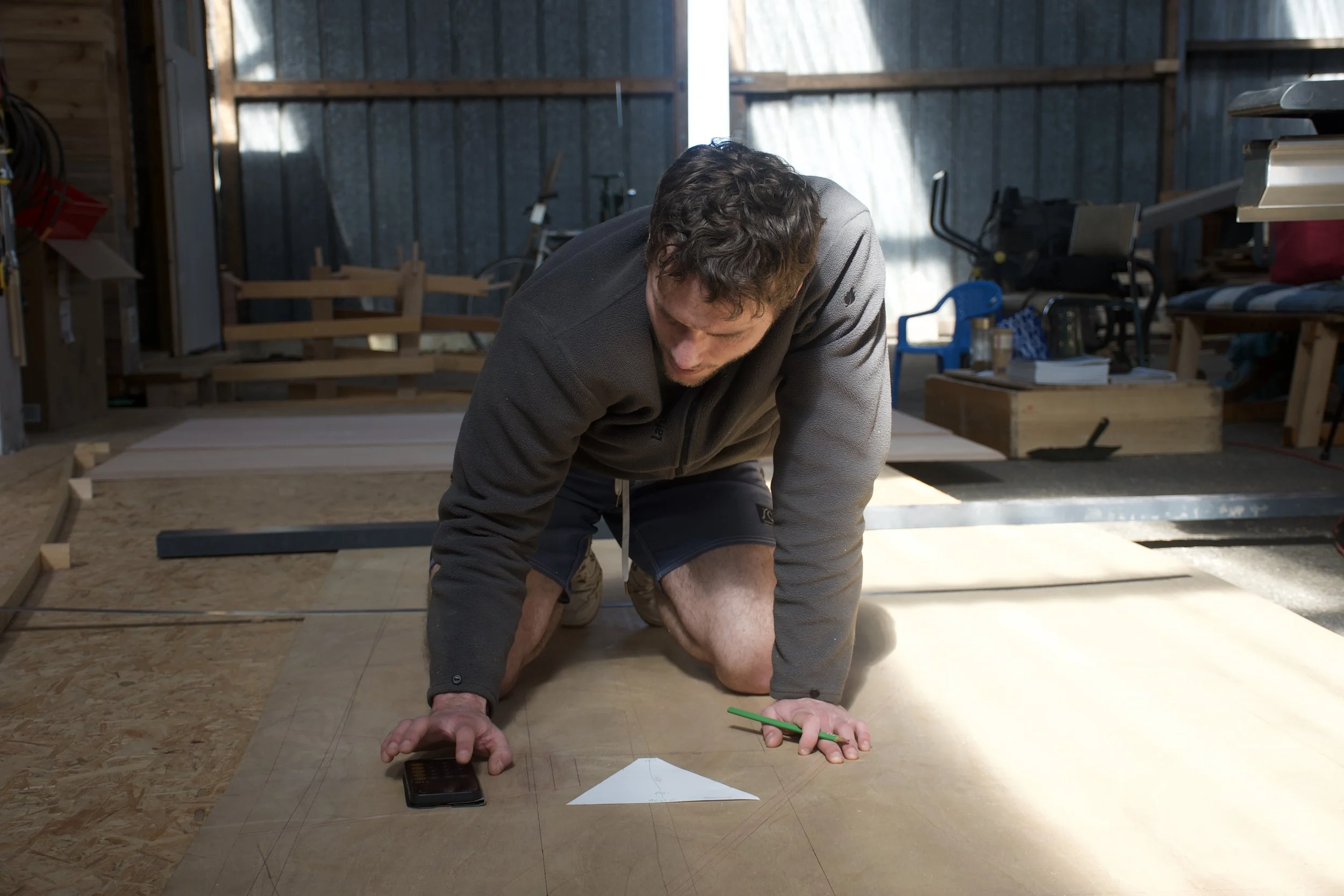
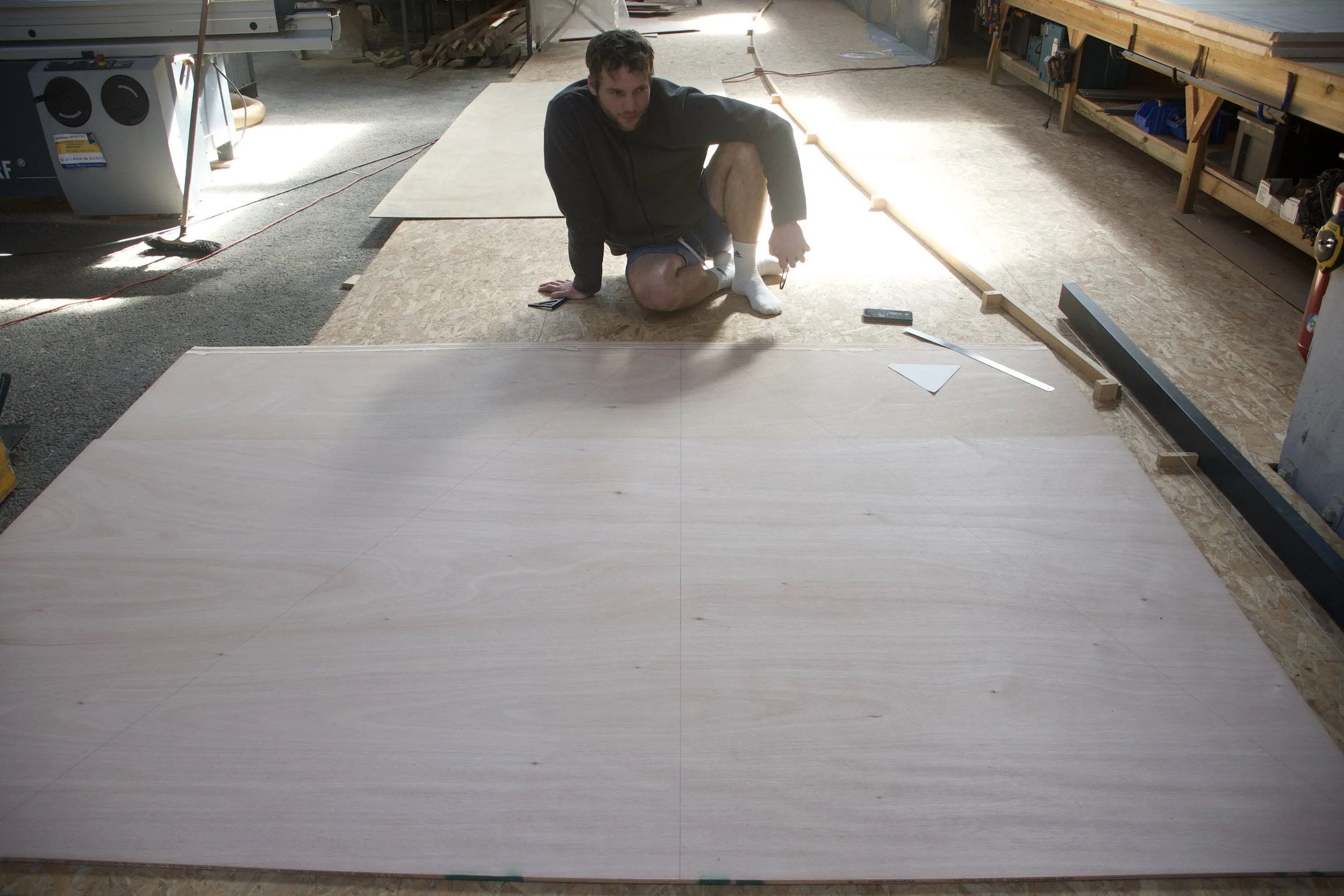
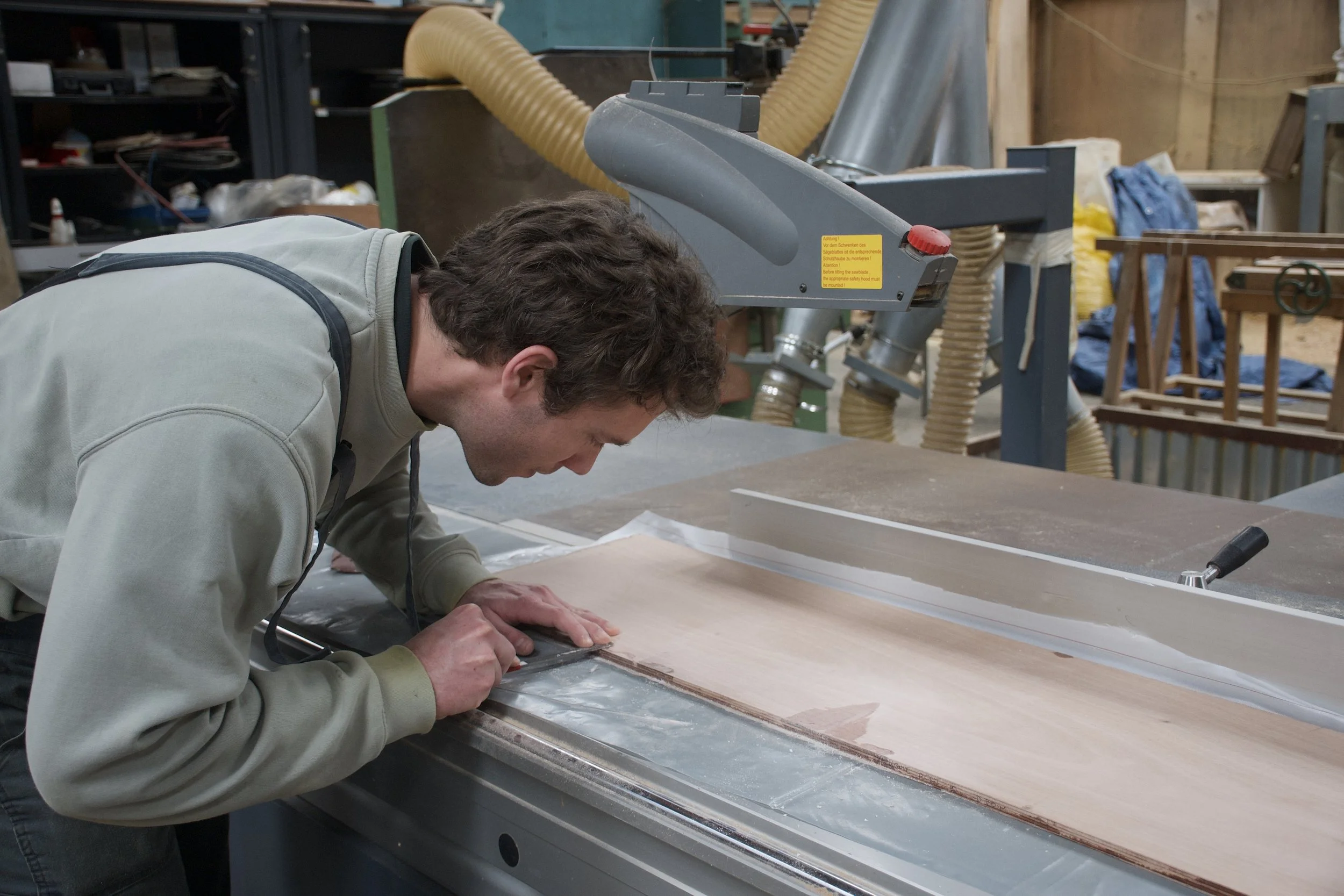
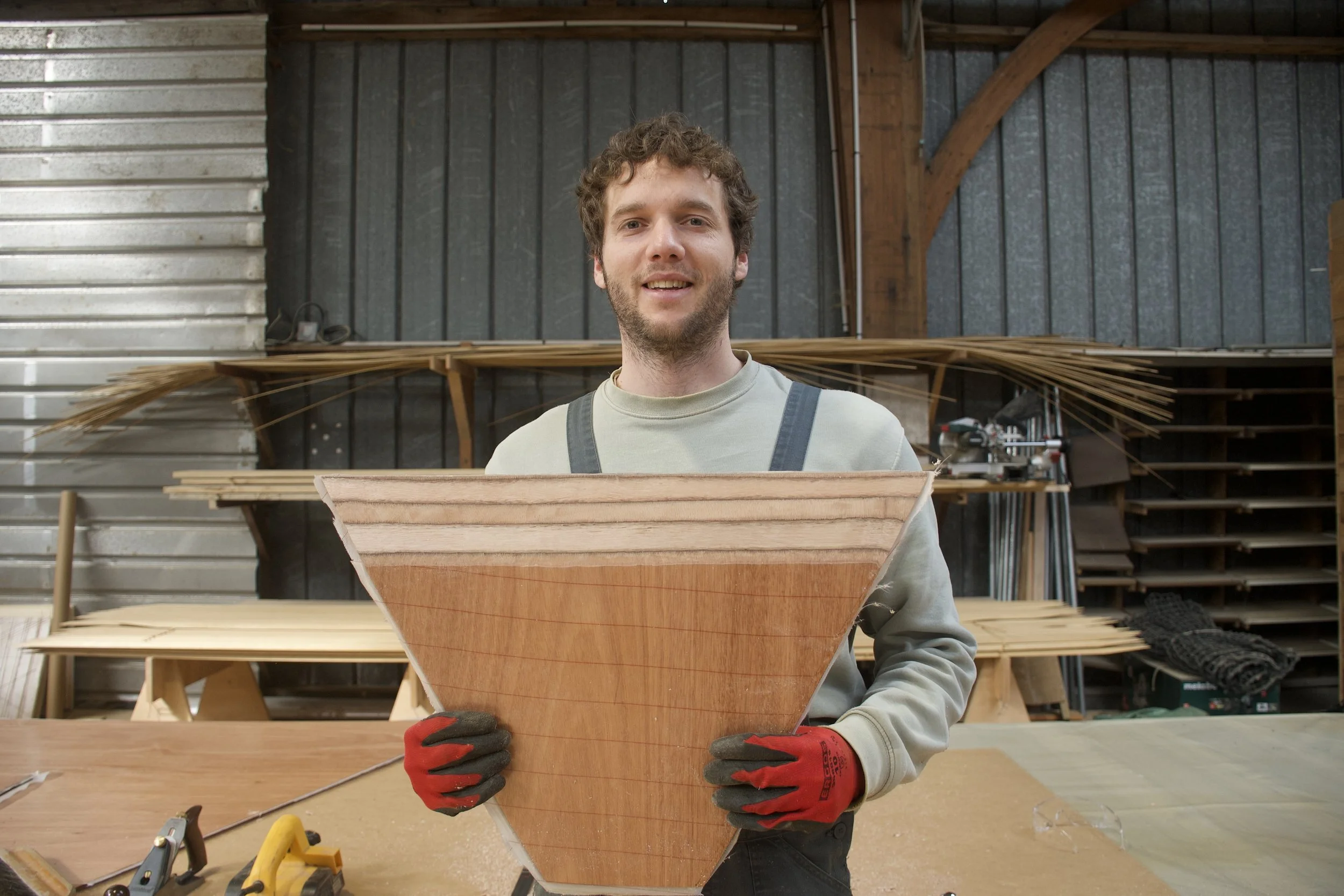
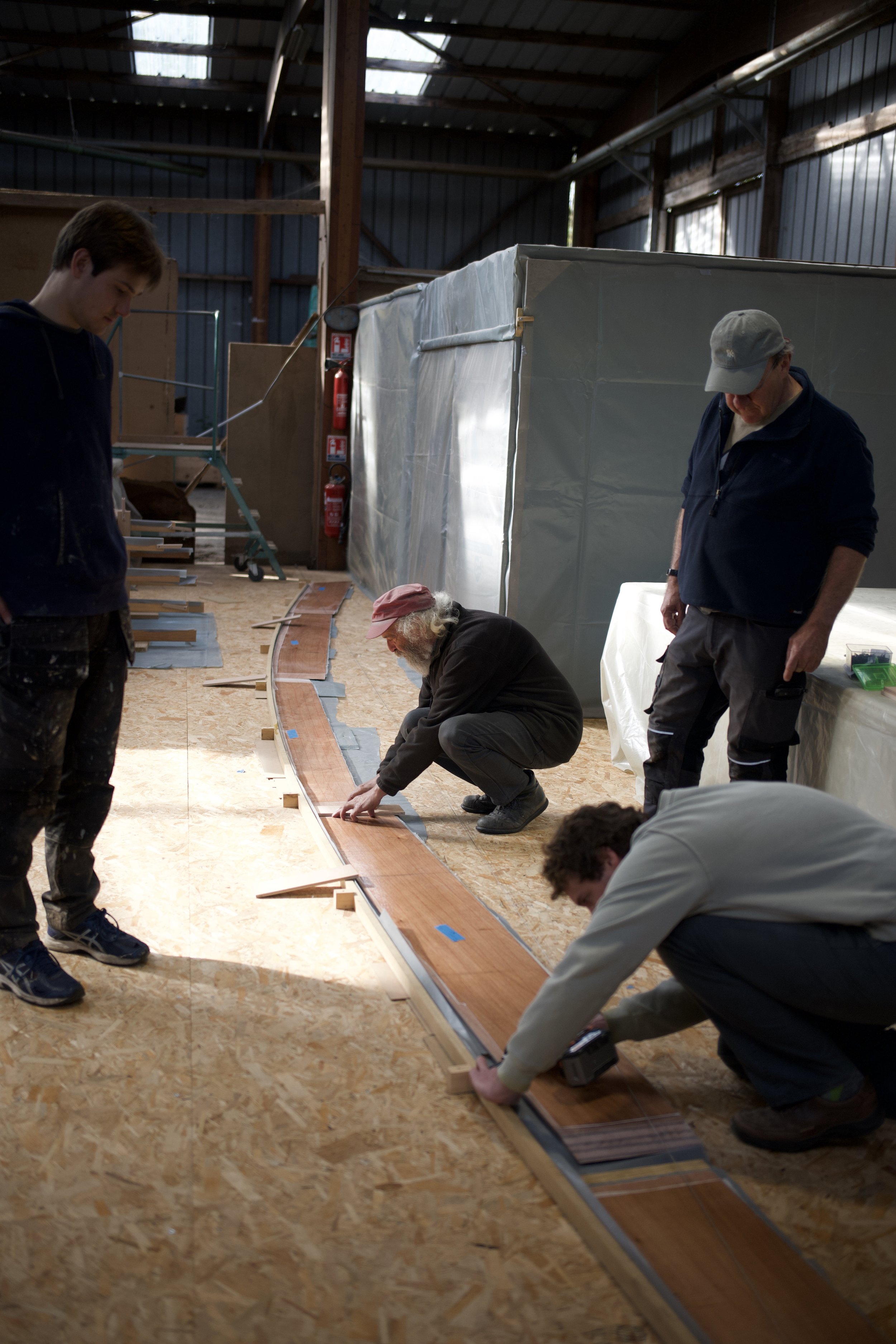
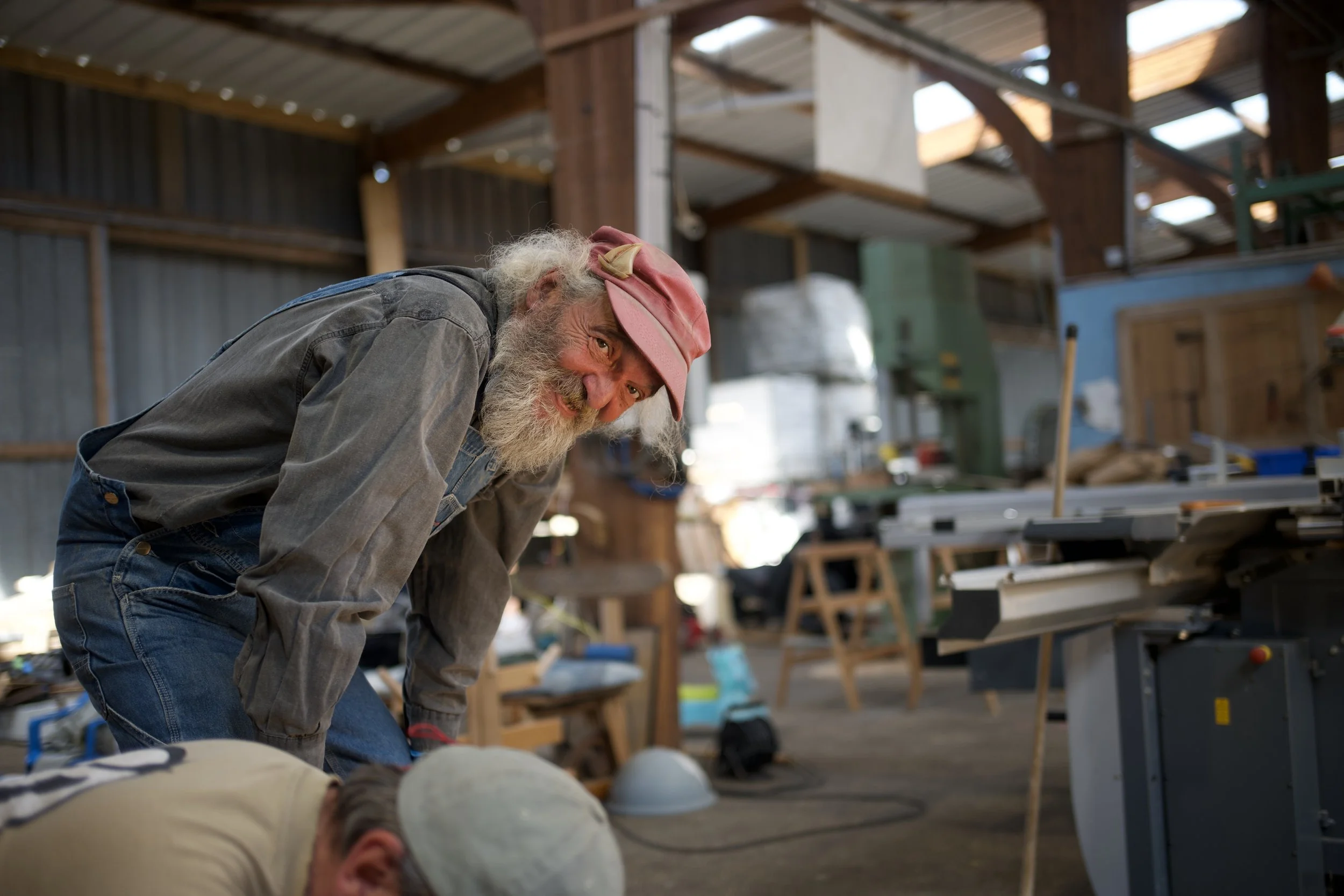
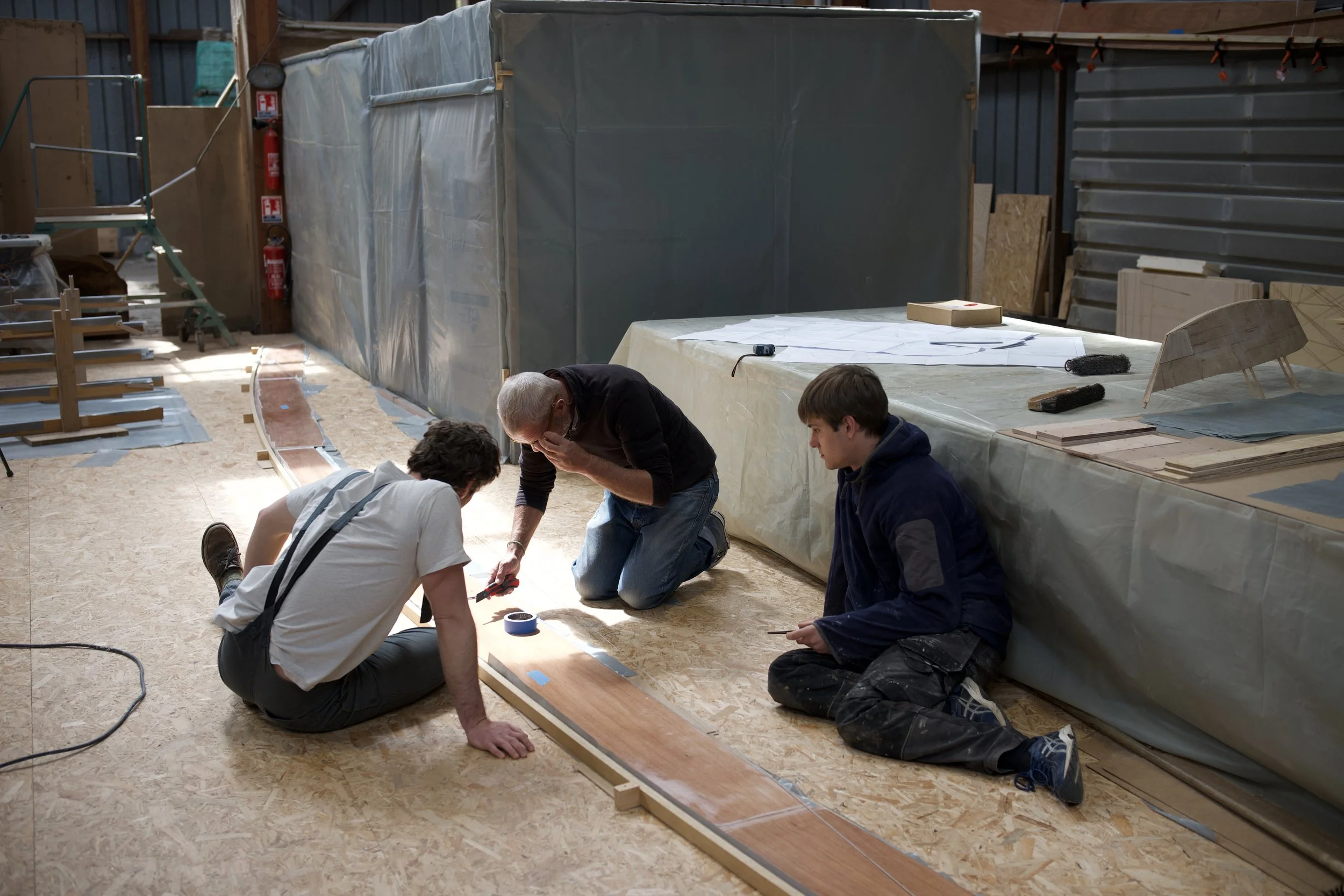
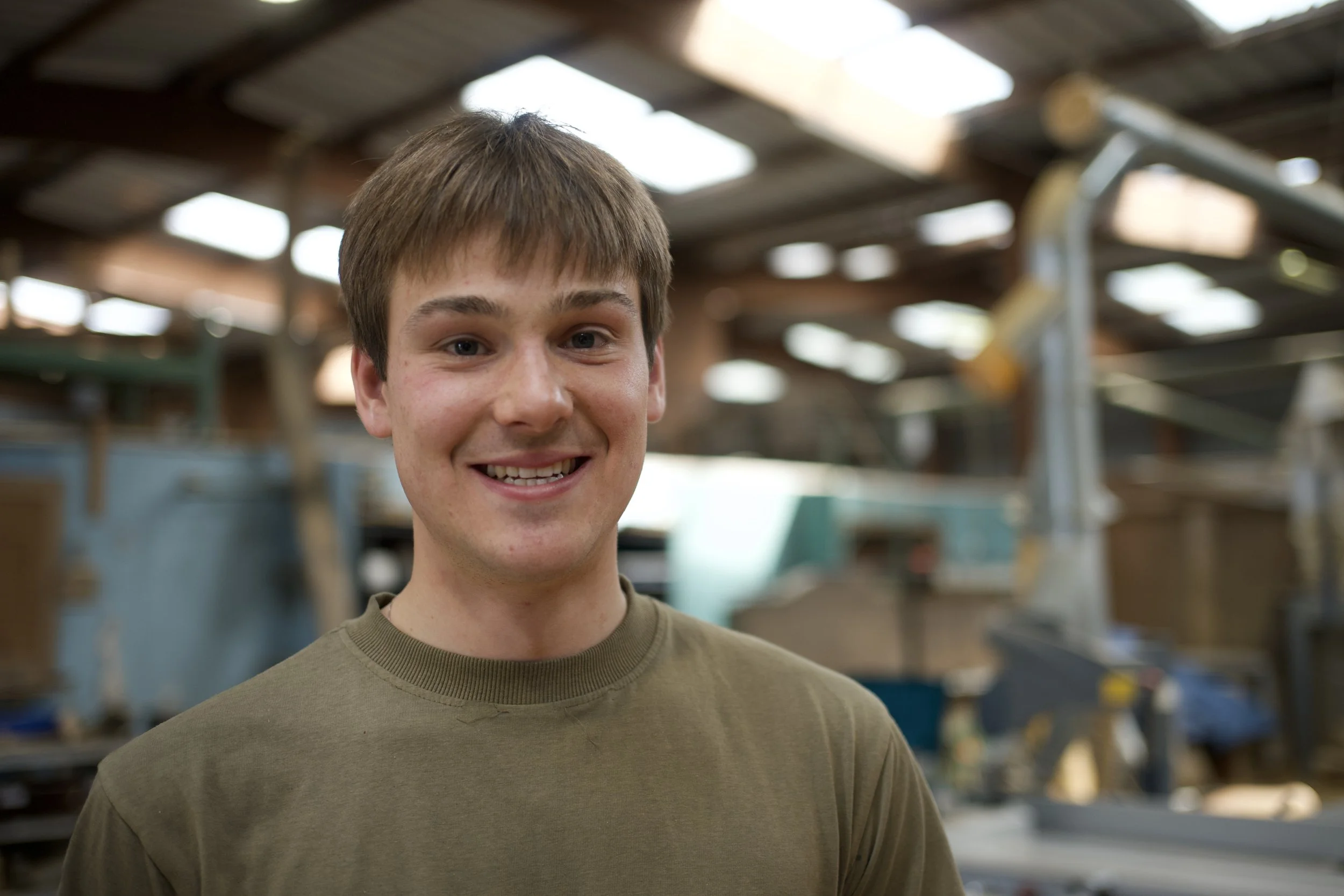
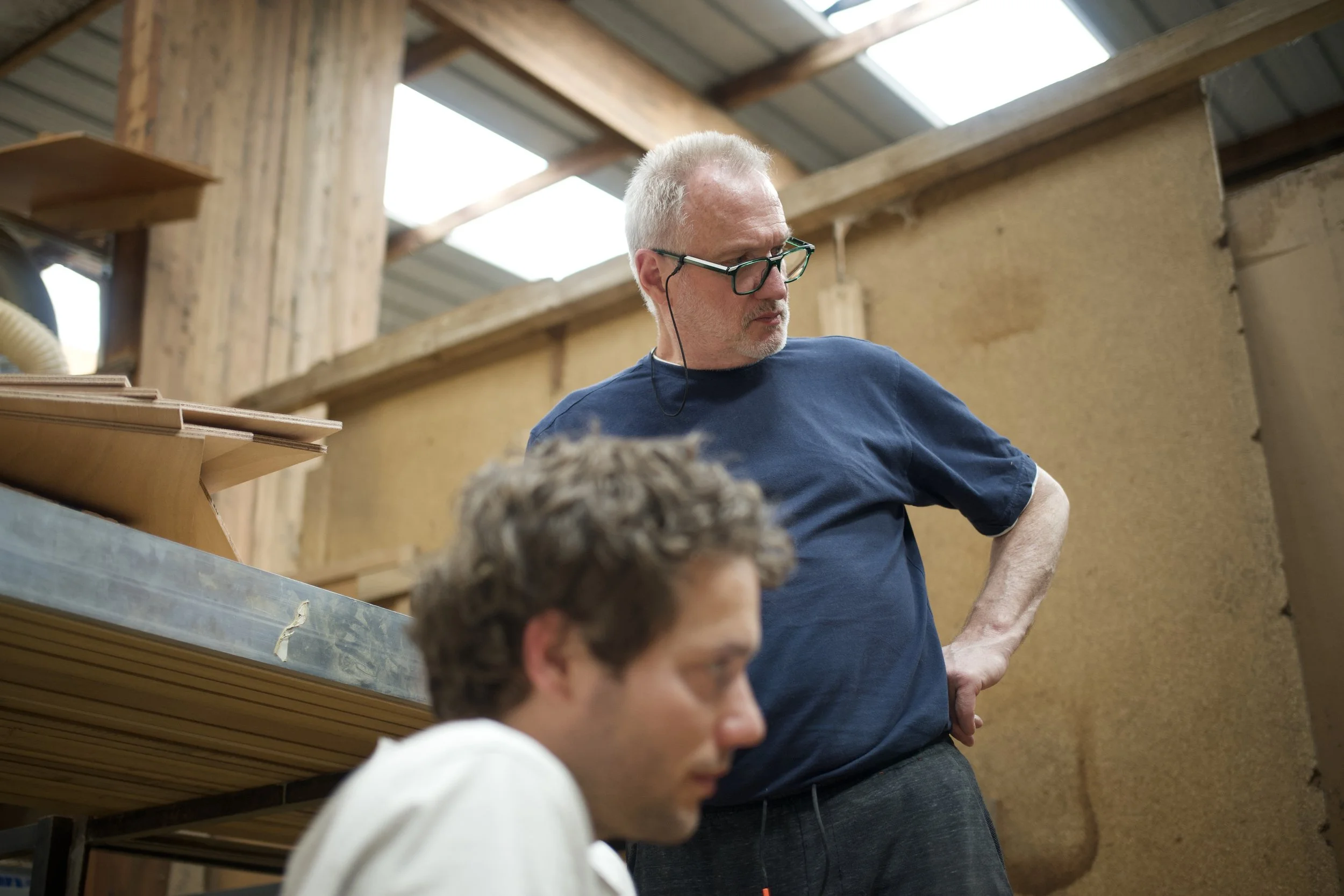
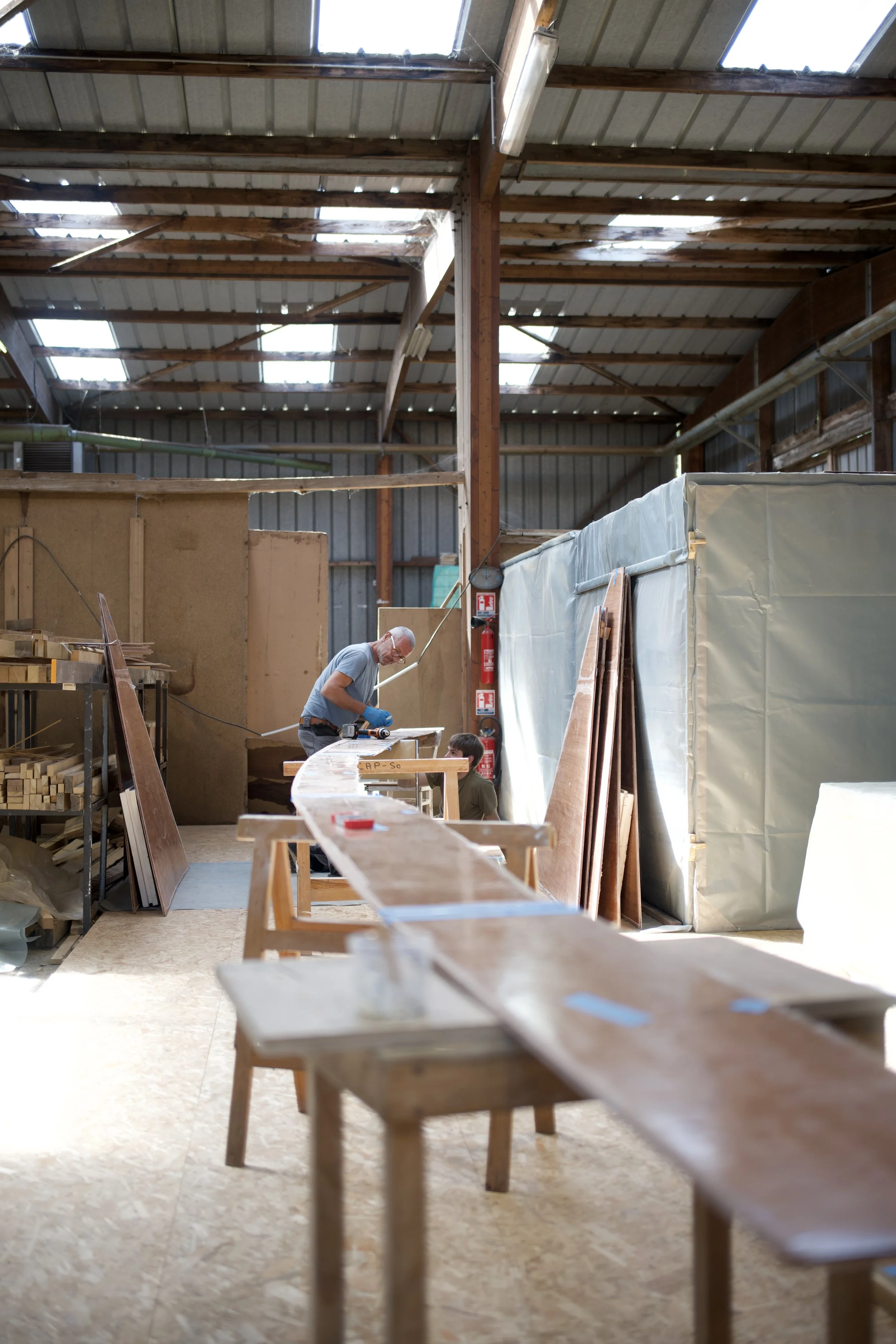
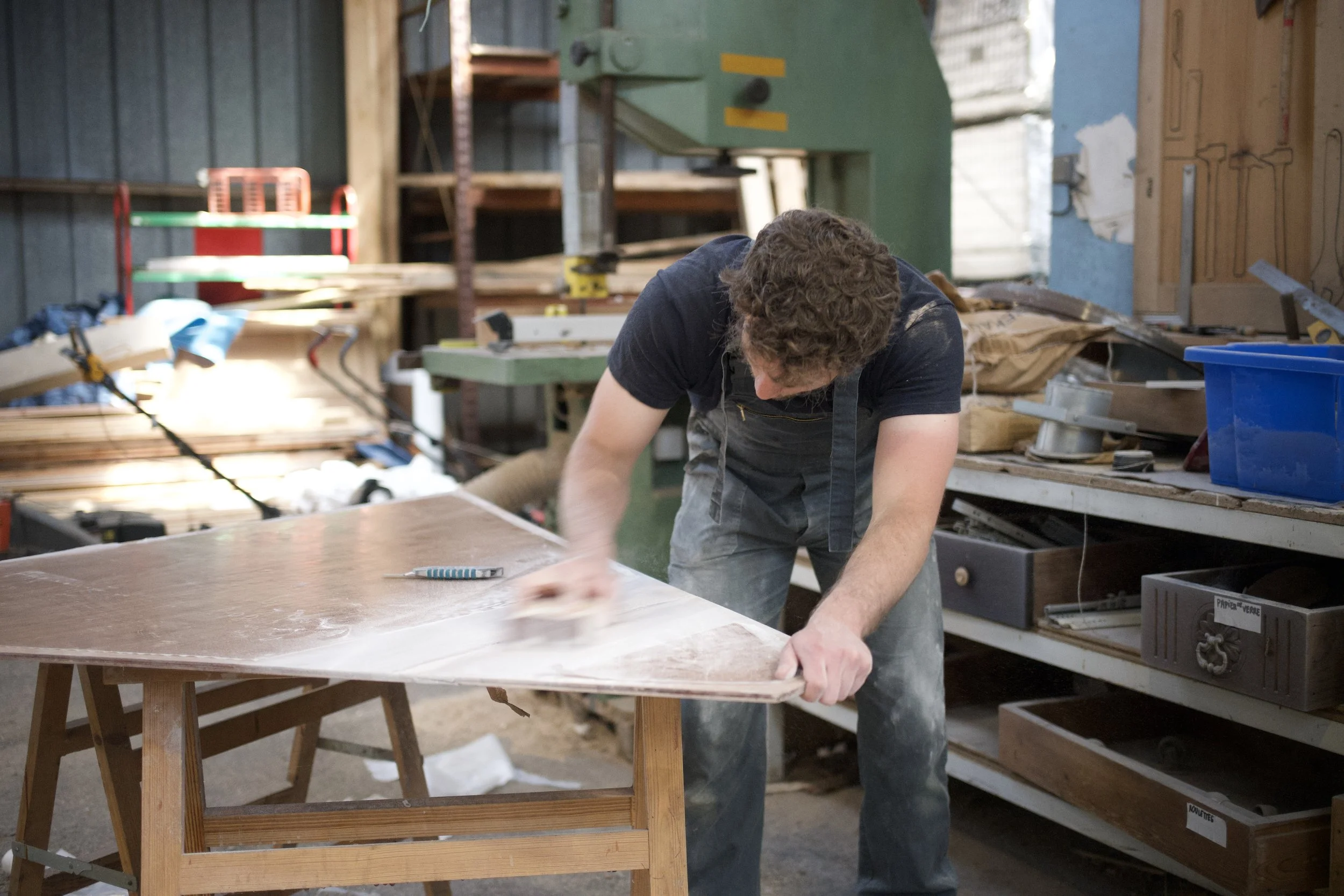
We created the hull curve at full scale on the floor using a baton, cable to mark the water line, and marked where each bulkhead will be placed. Marc, a student from the renowned tradditional boat building school Atelier l’Enfer in Douarnanez, was tasked with cutting the backbone pieces (Okoume) and beginning the work of scarfing their joins.
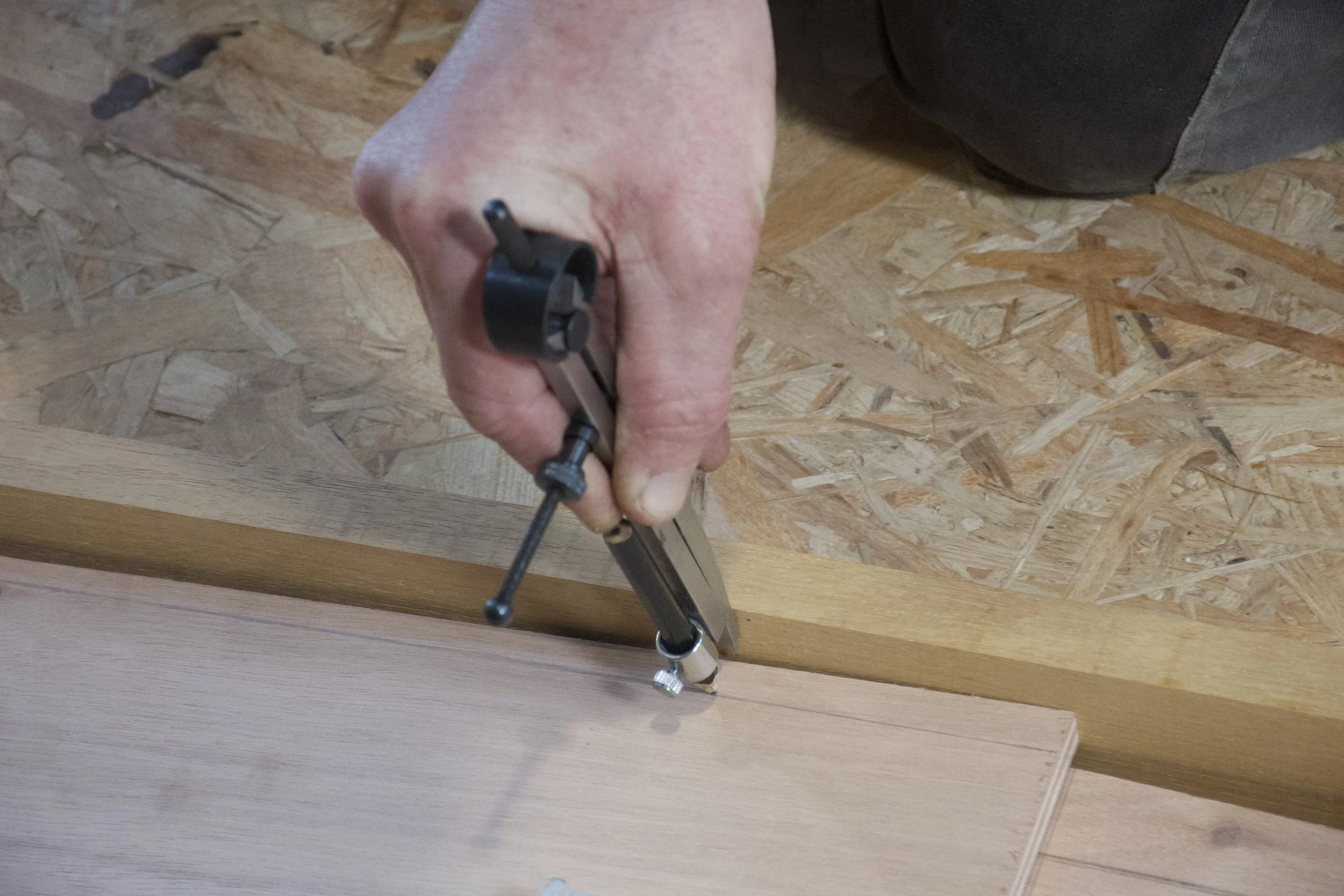
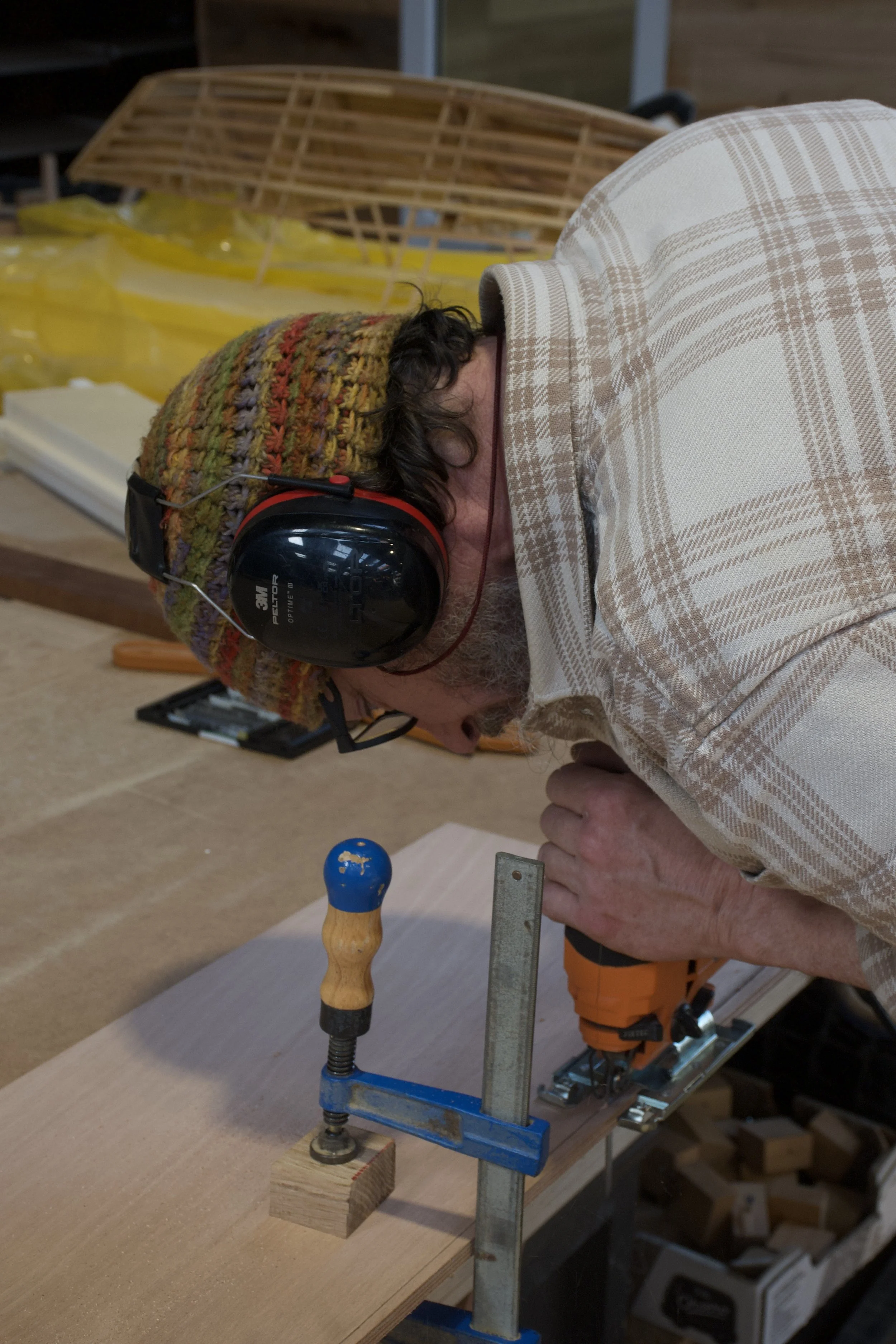
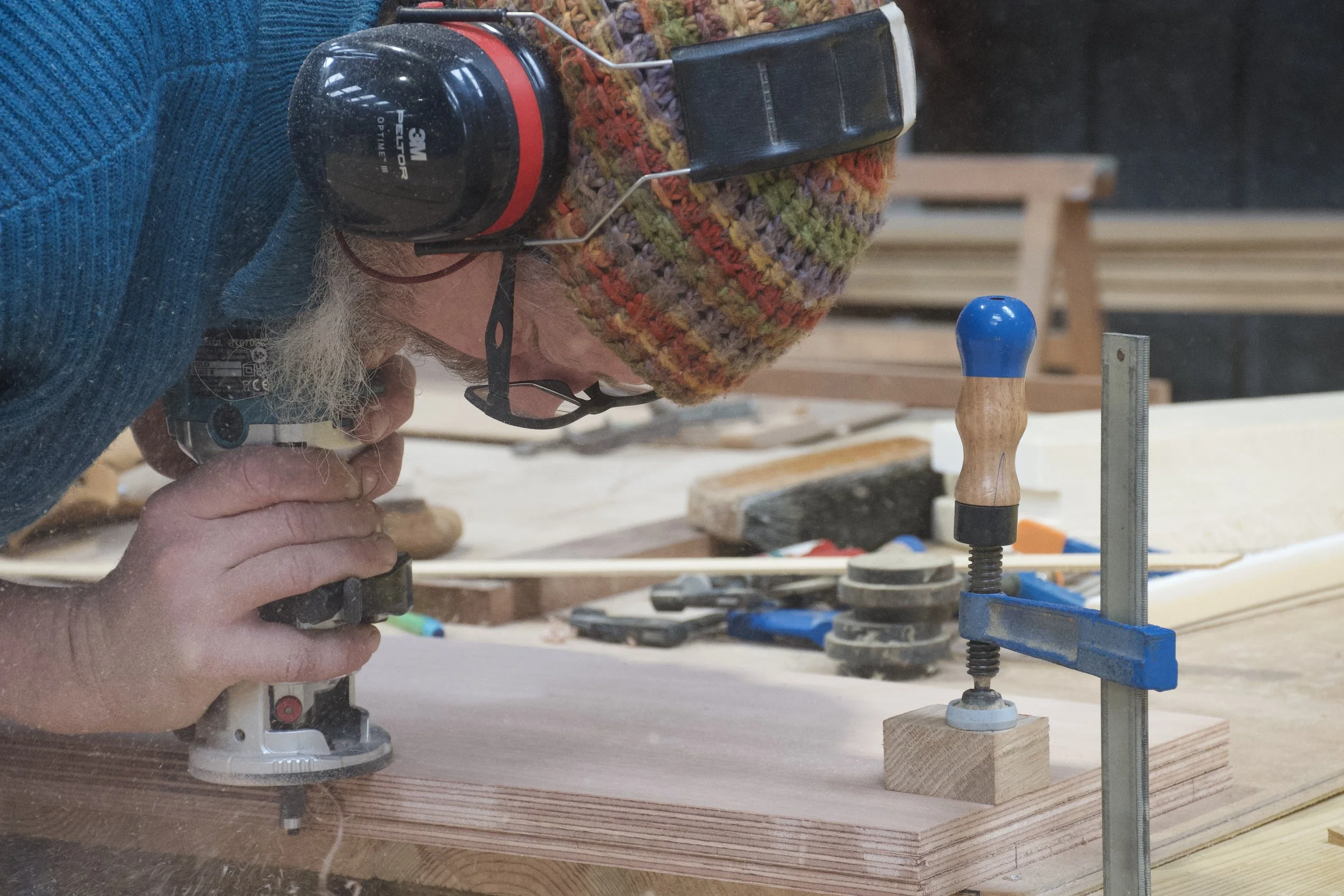
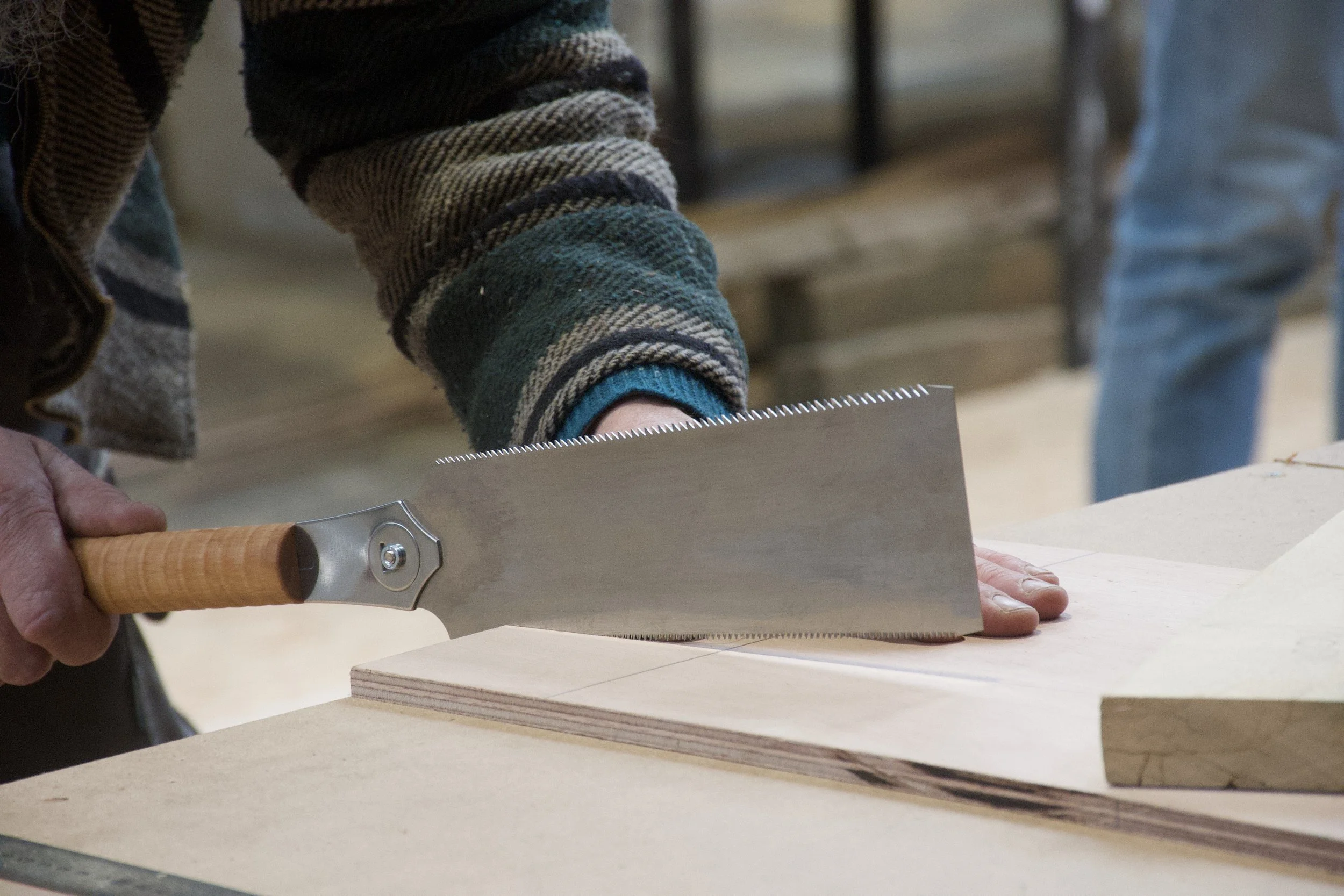
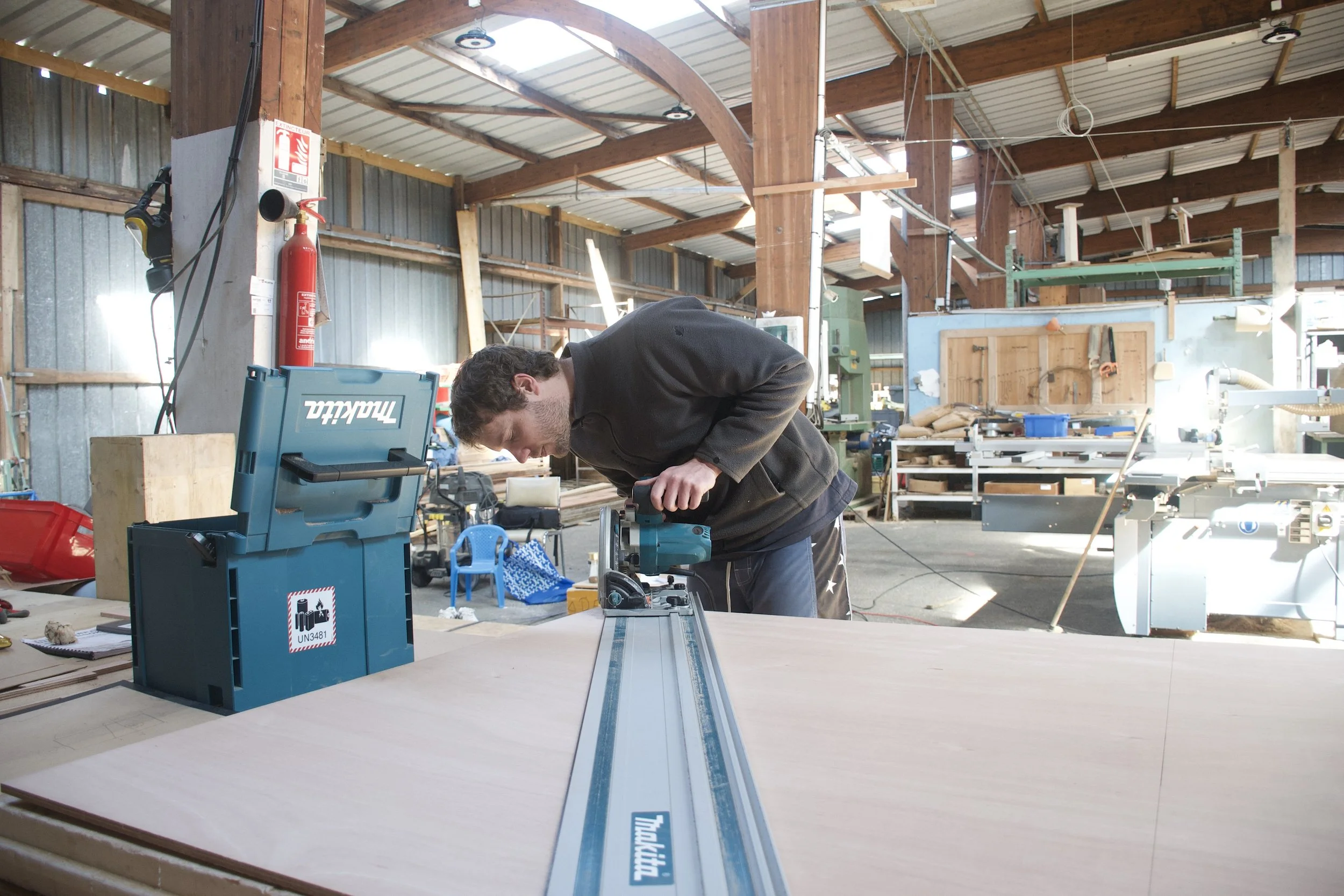
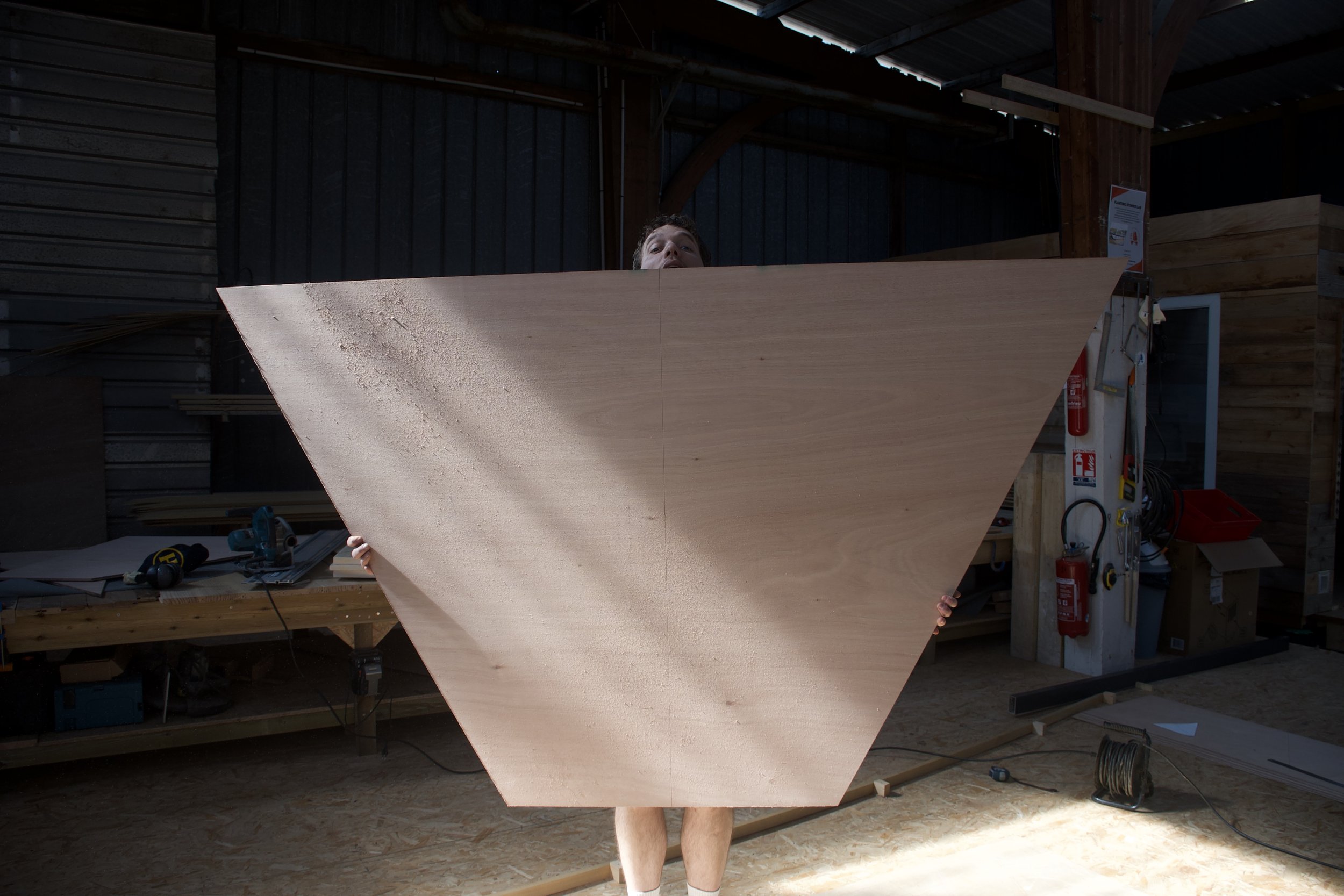
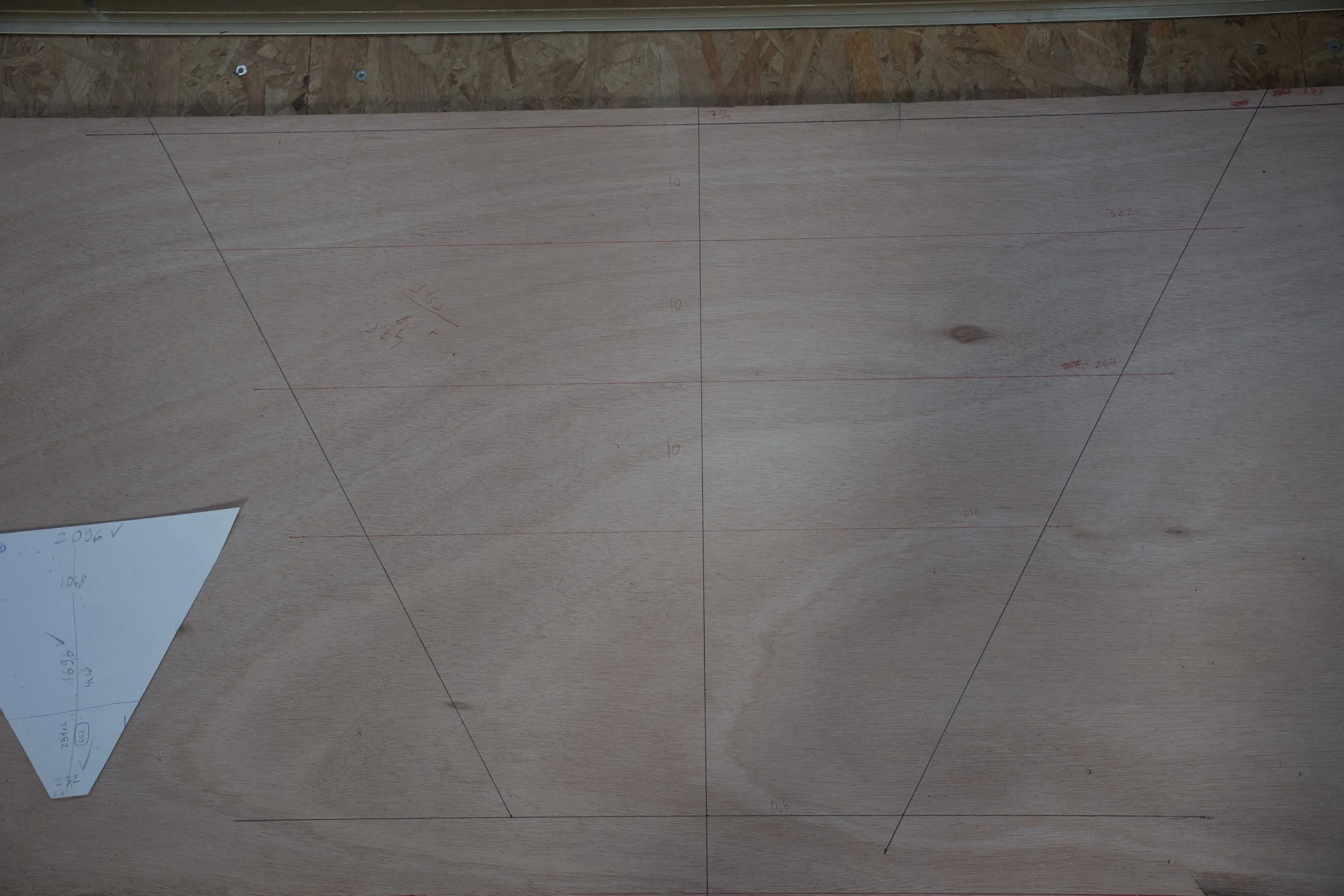
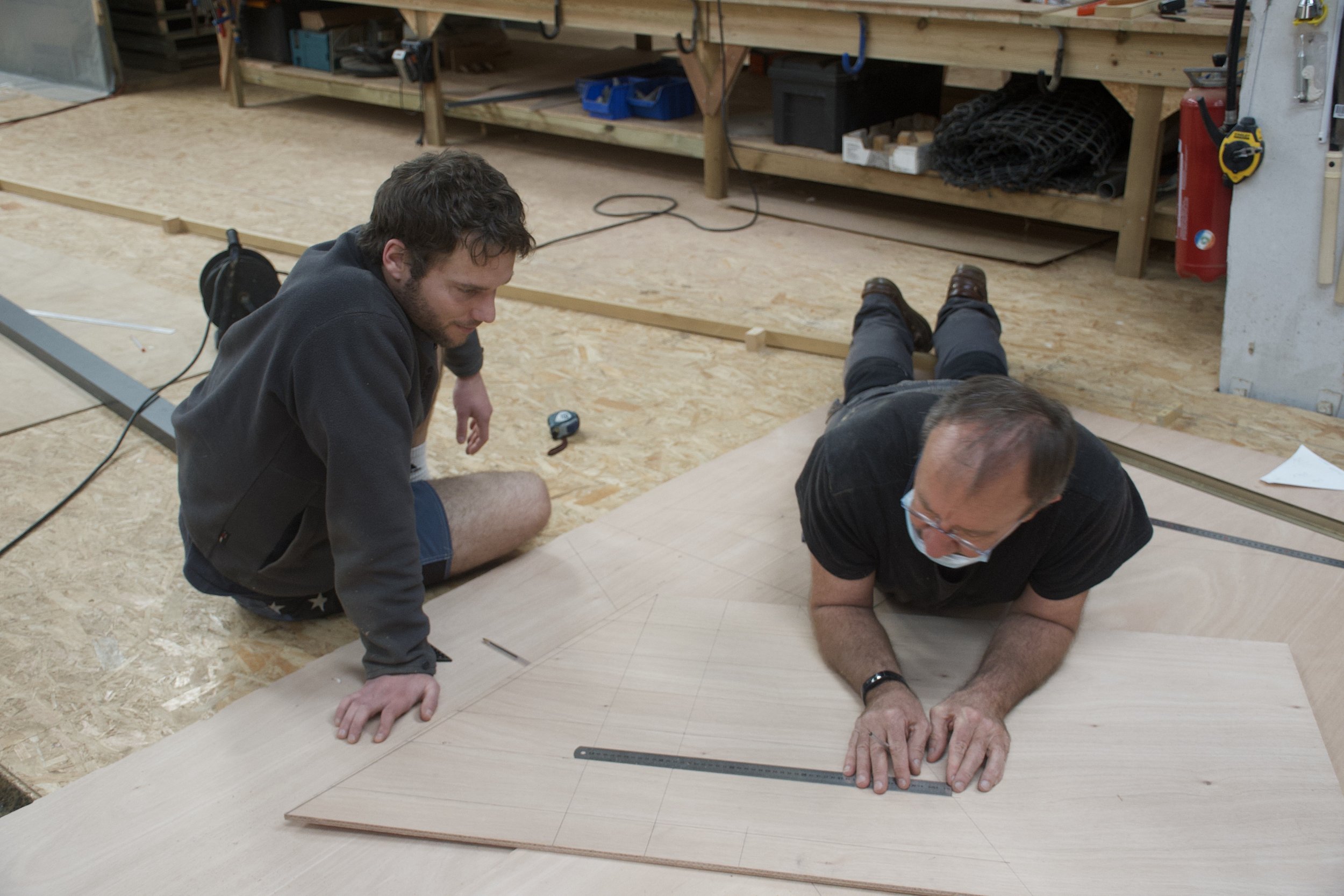
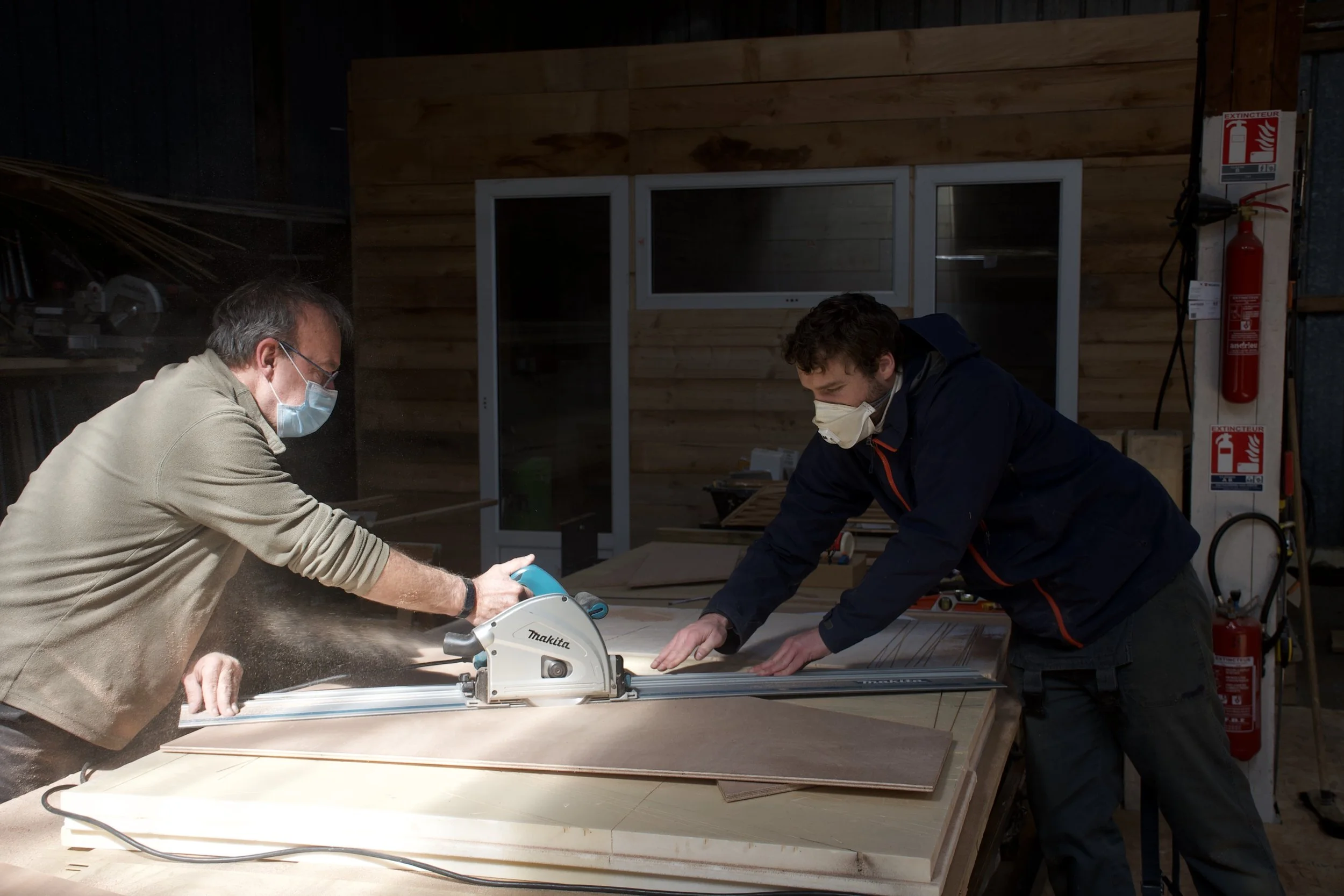
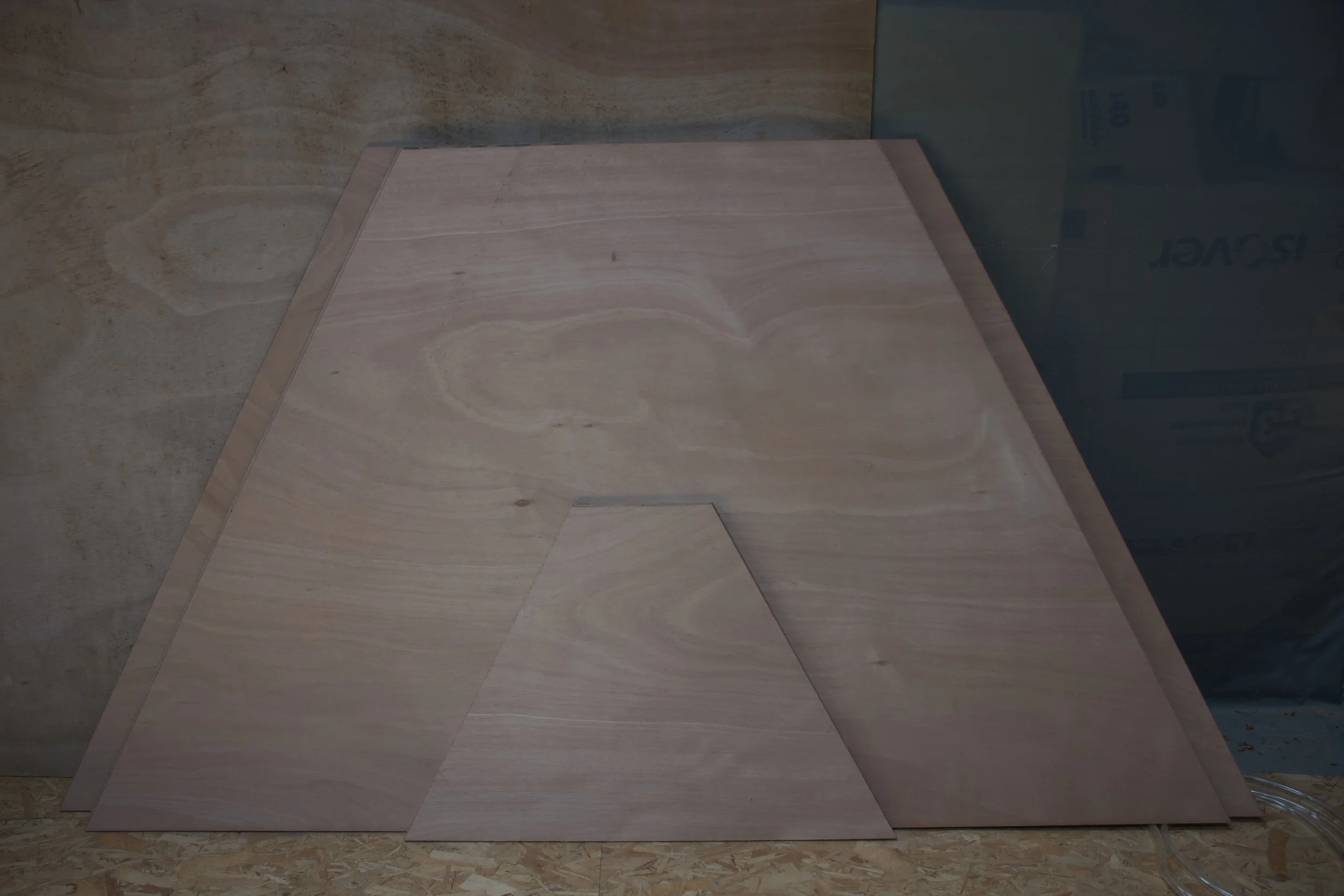
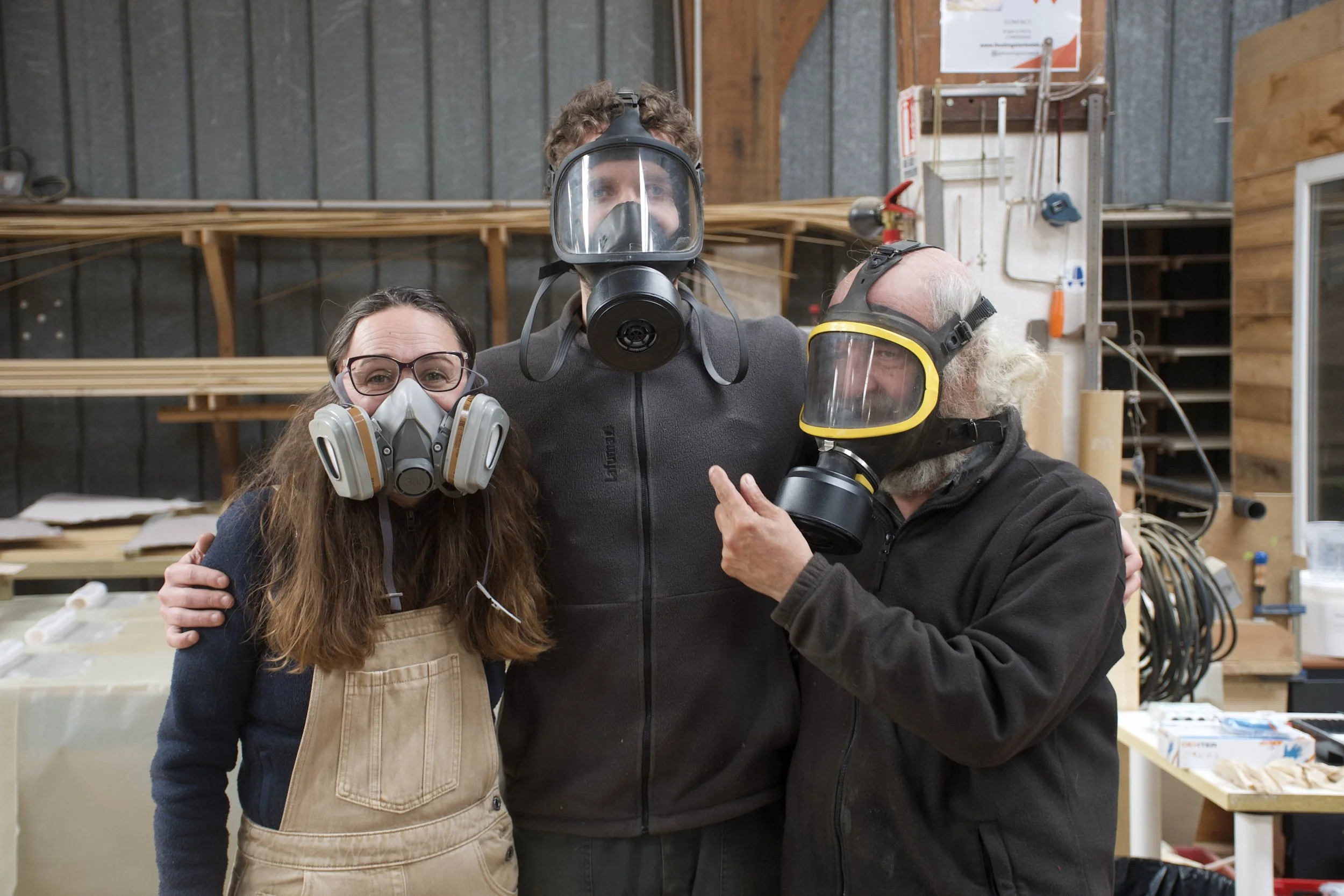
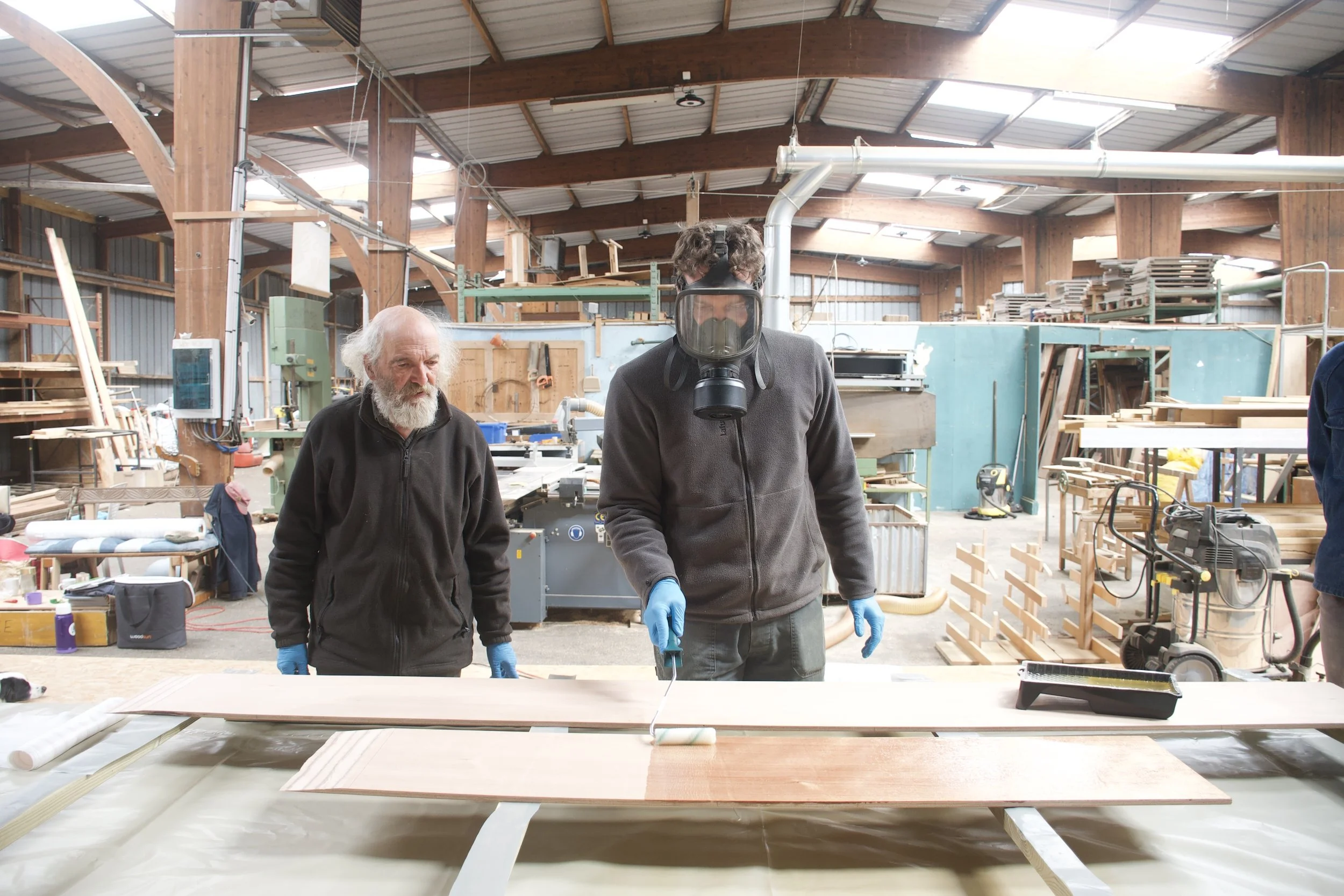
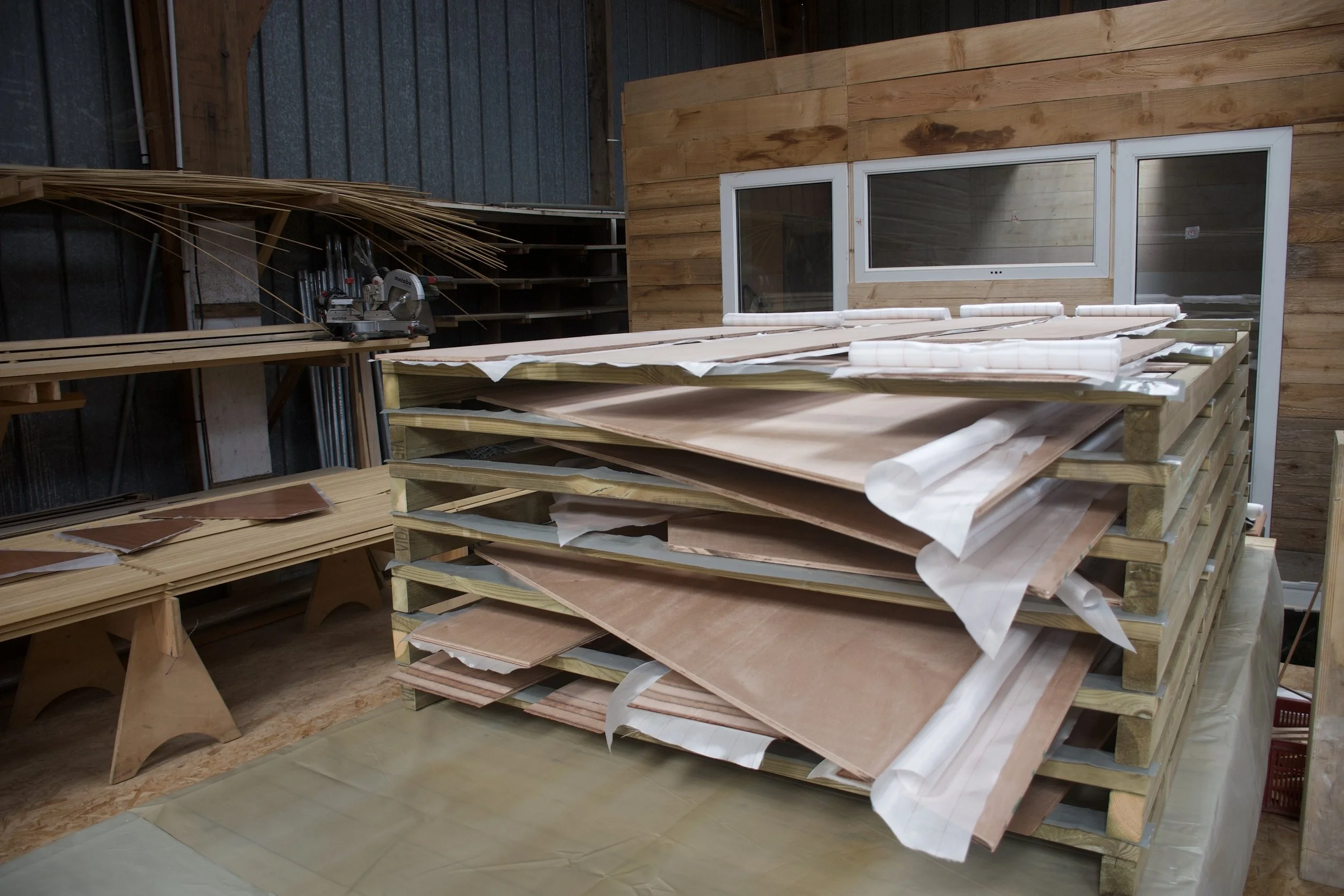
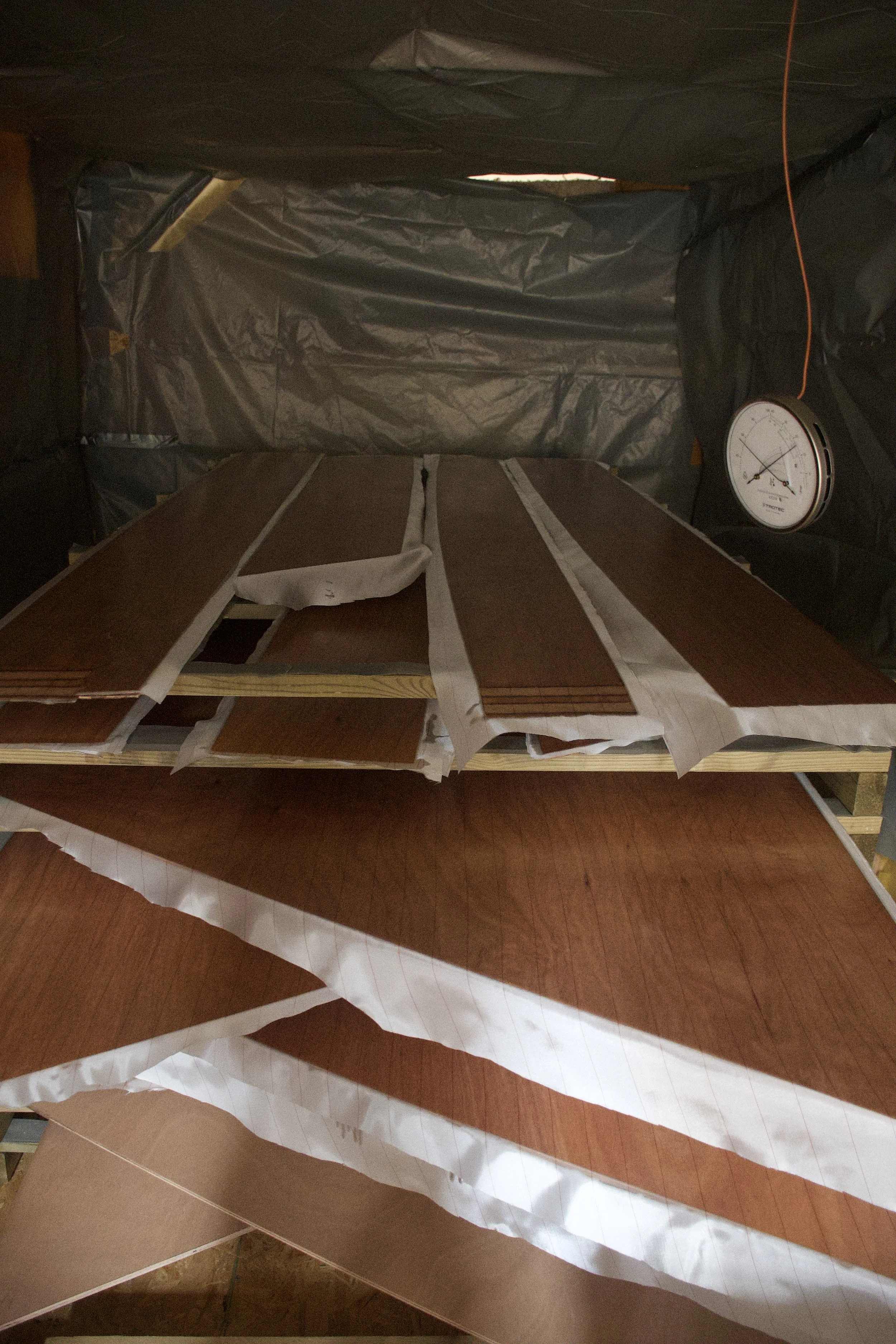
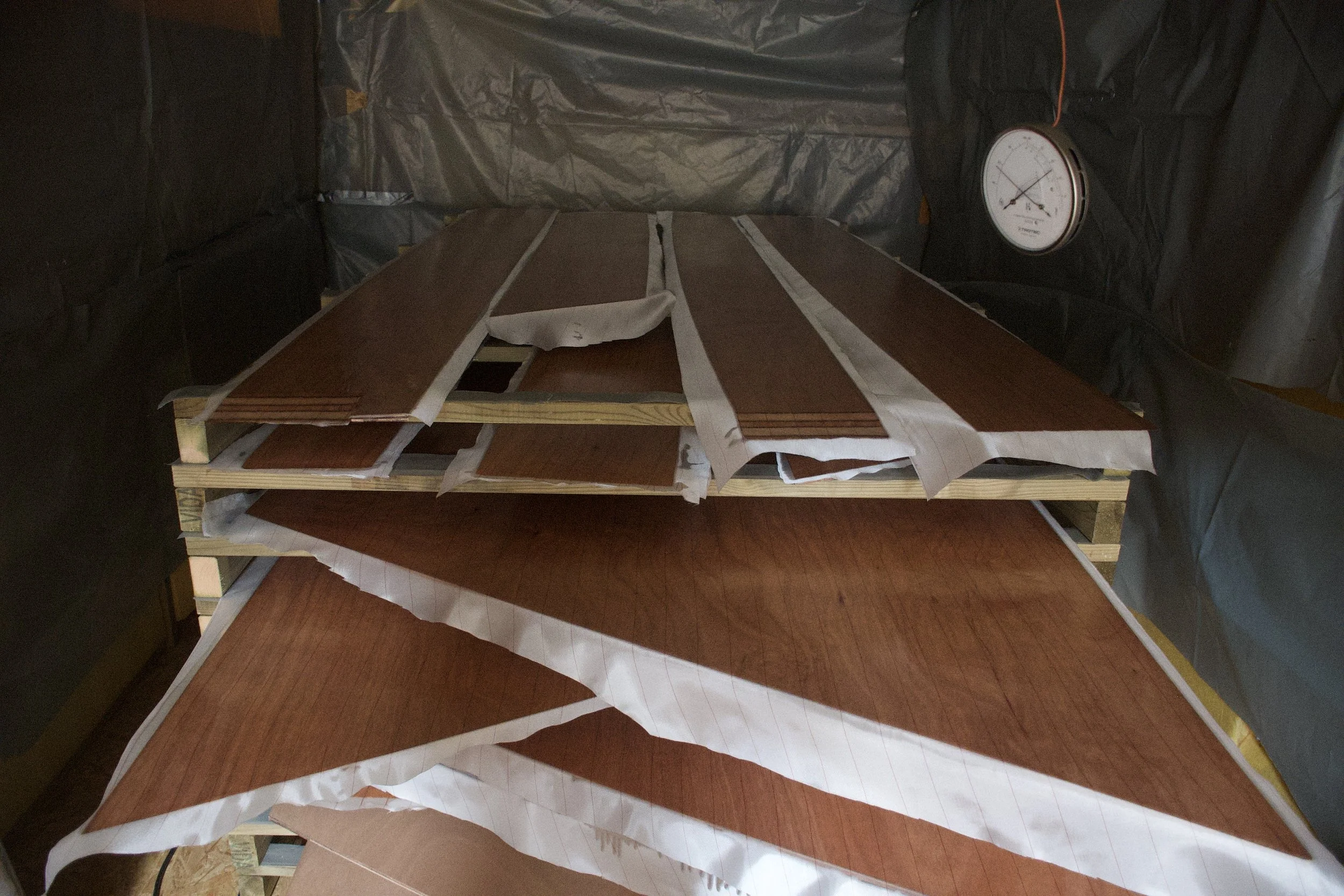
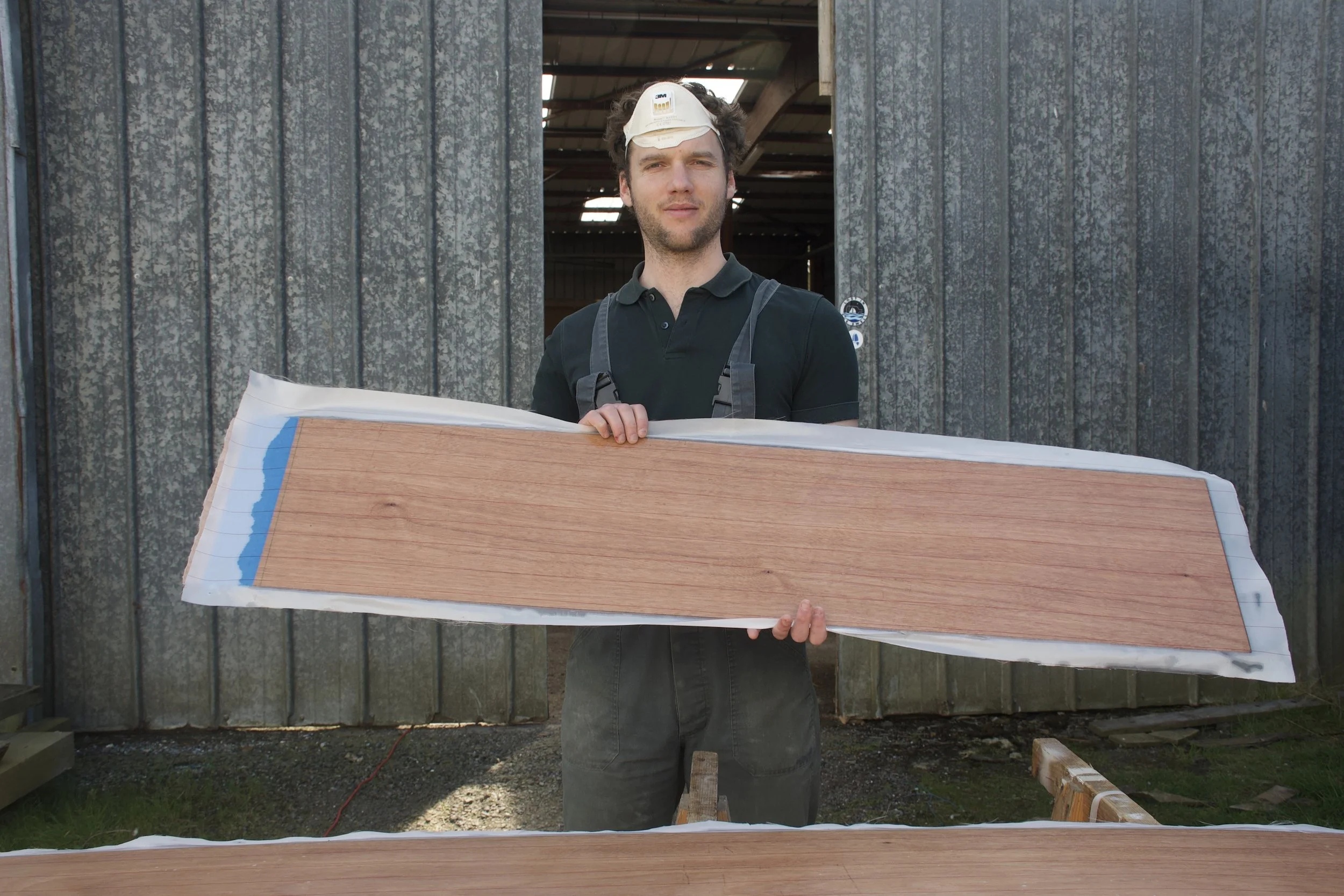
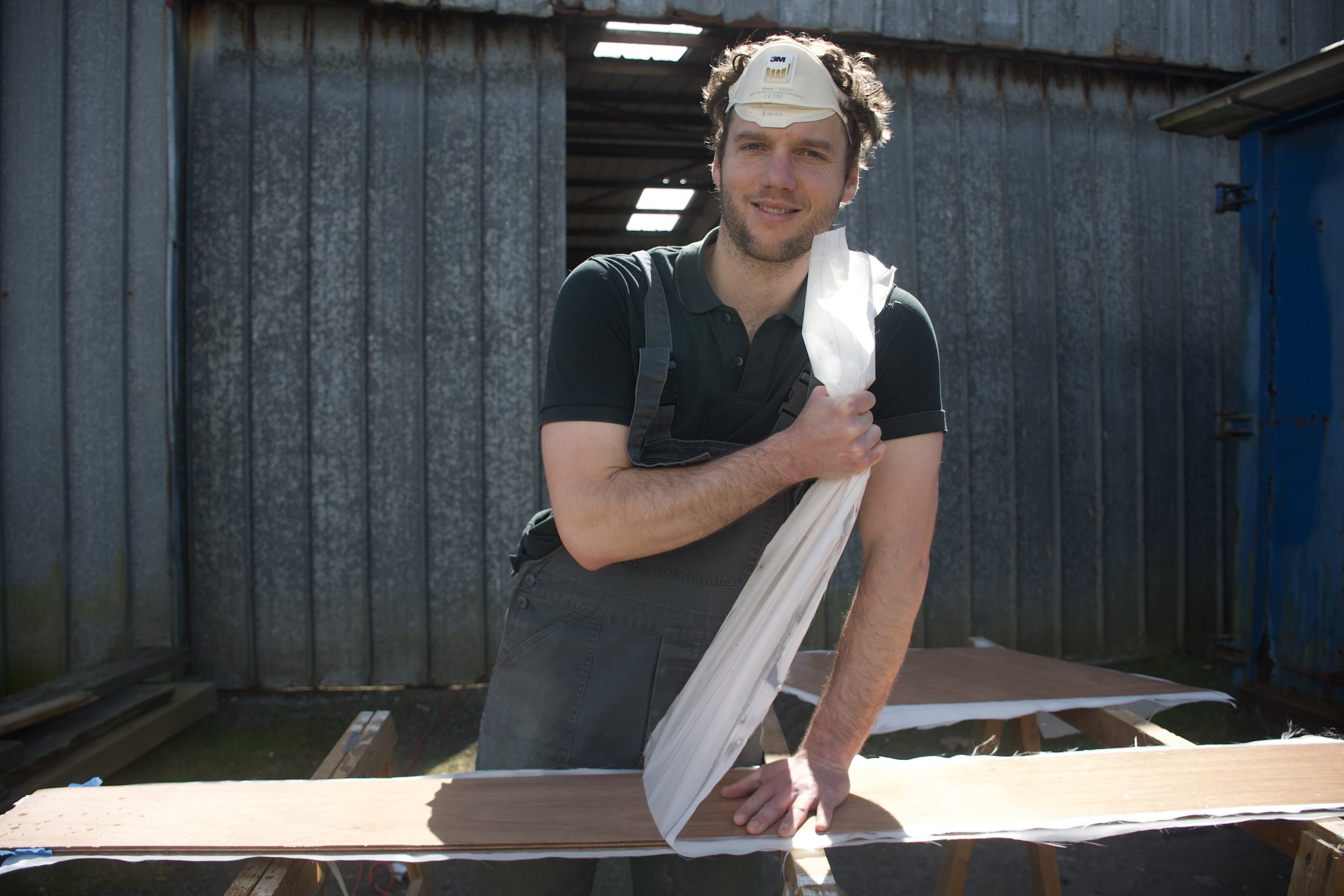
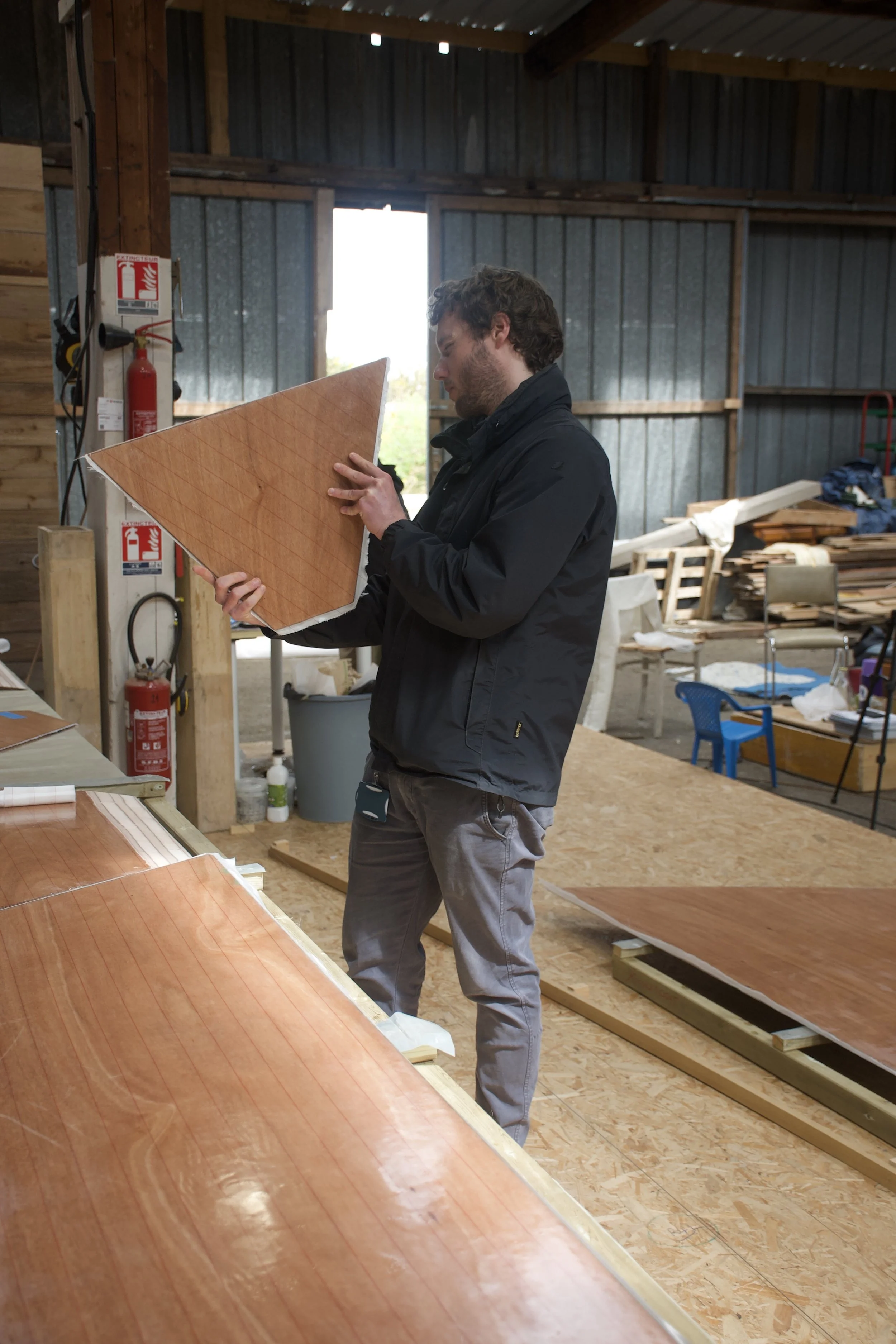
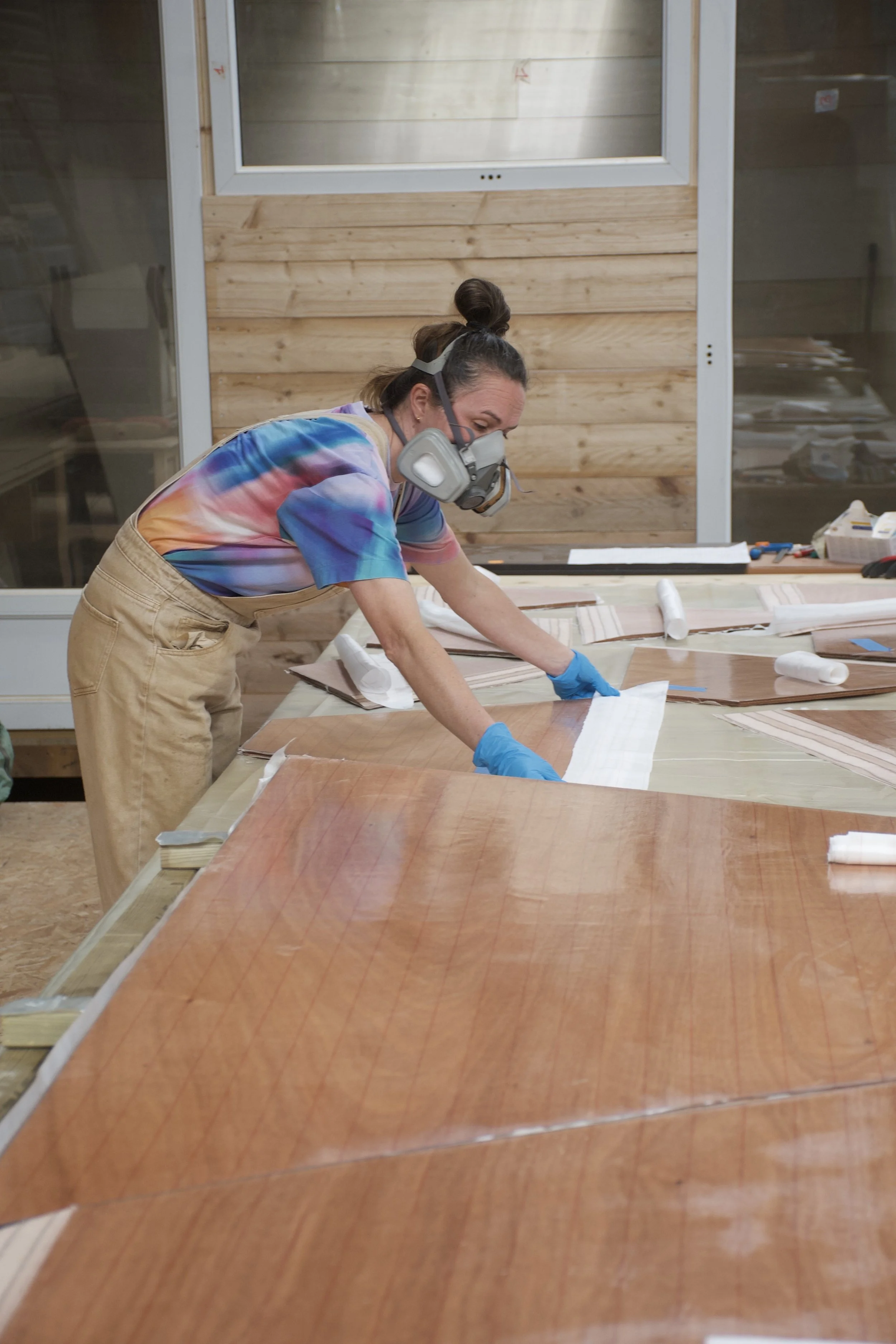
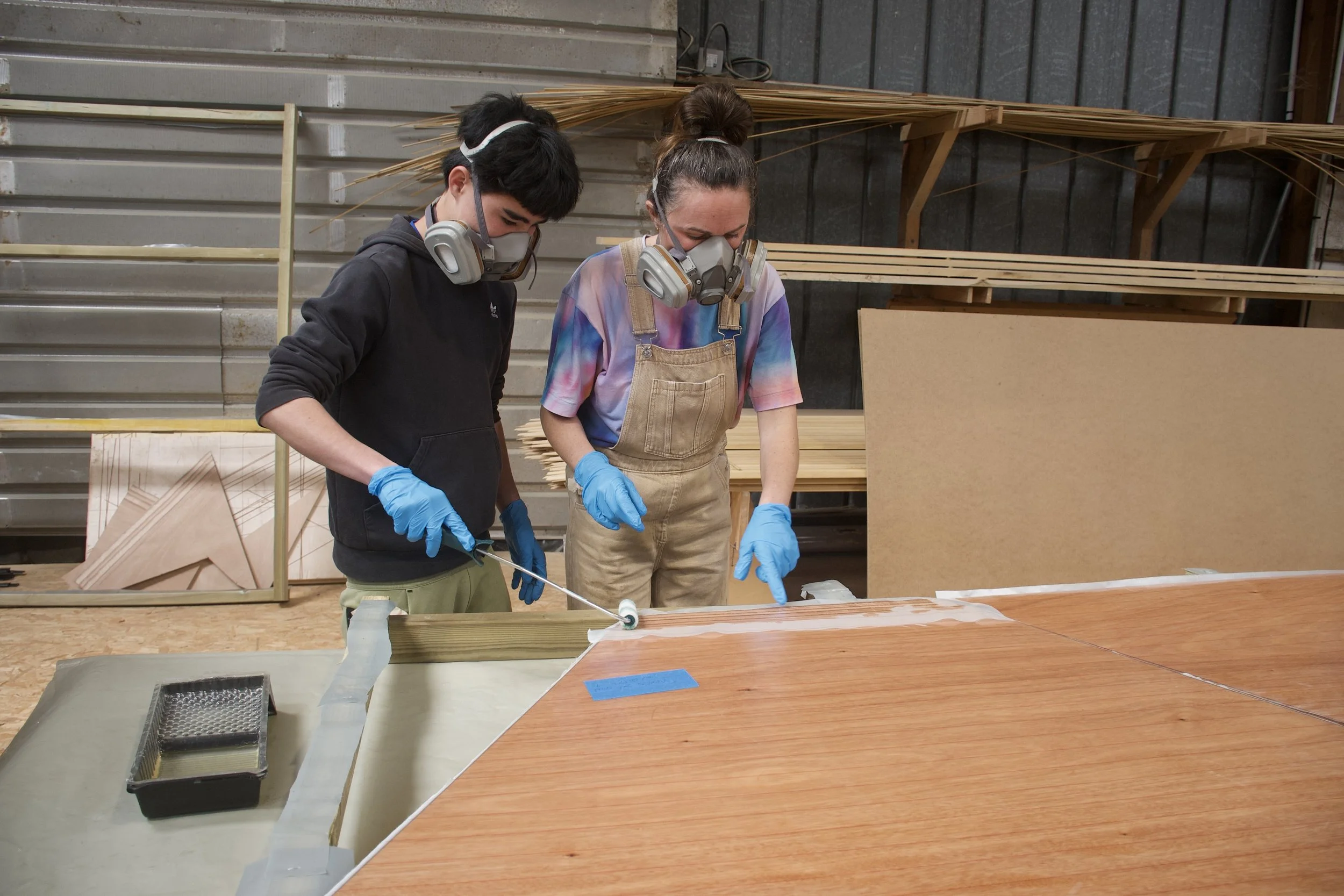
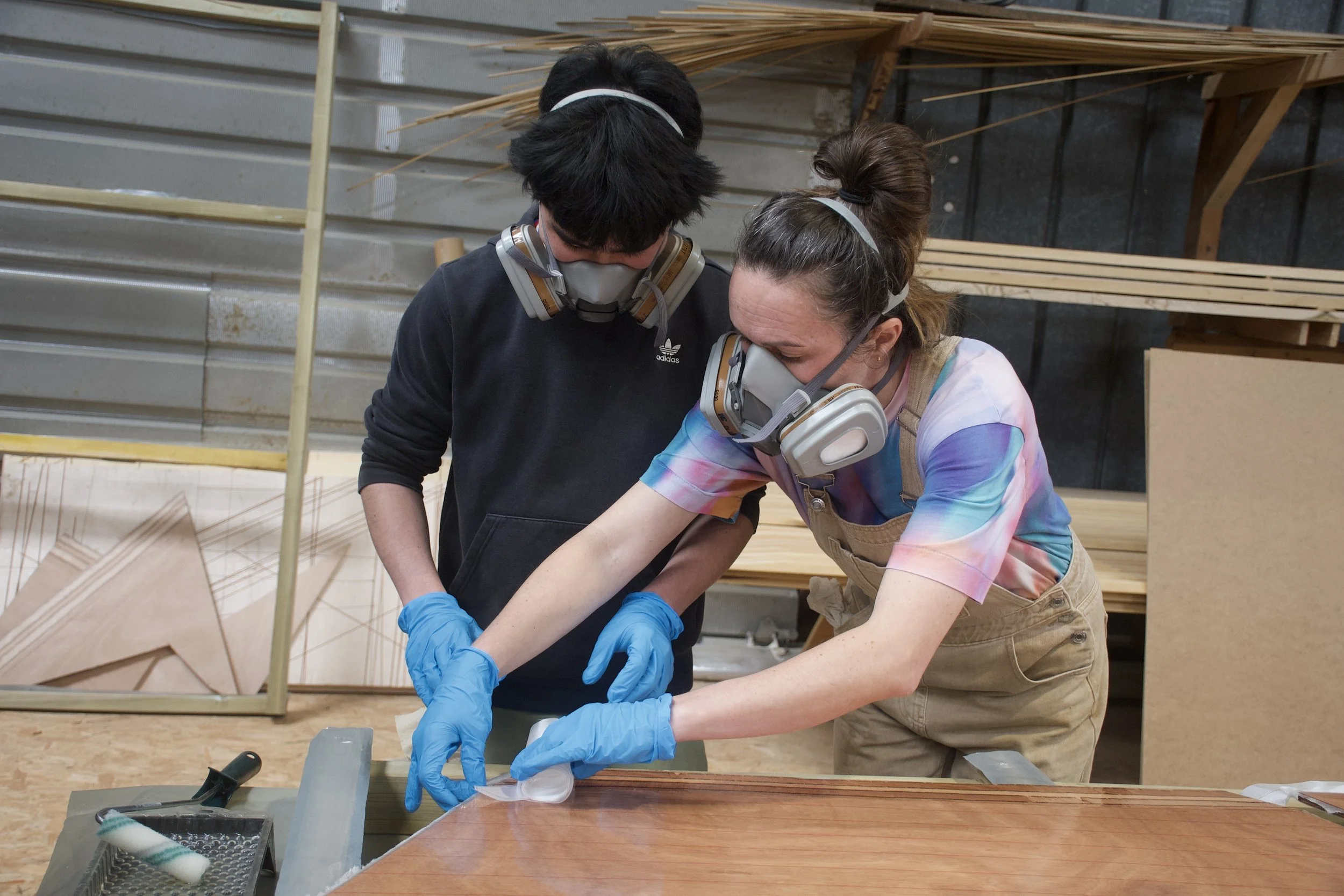
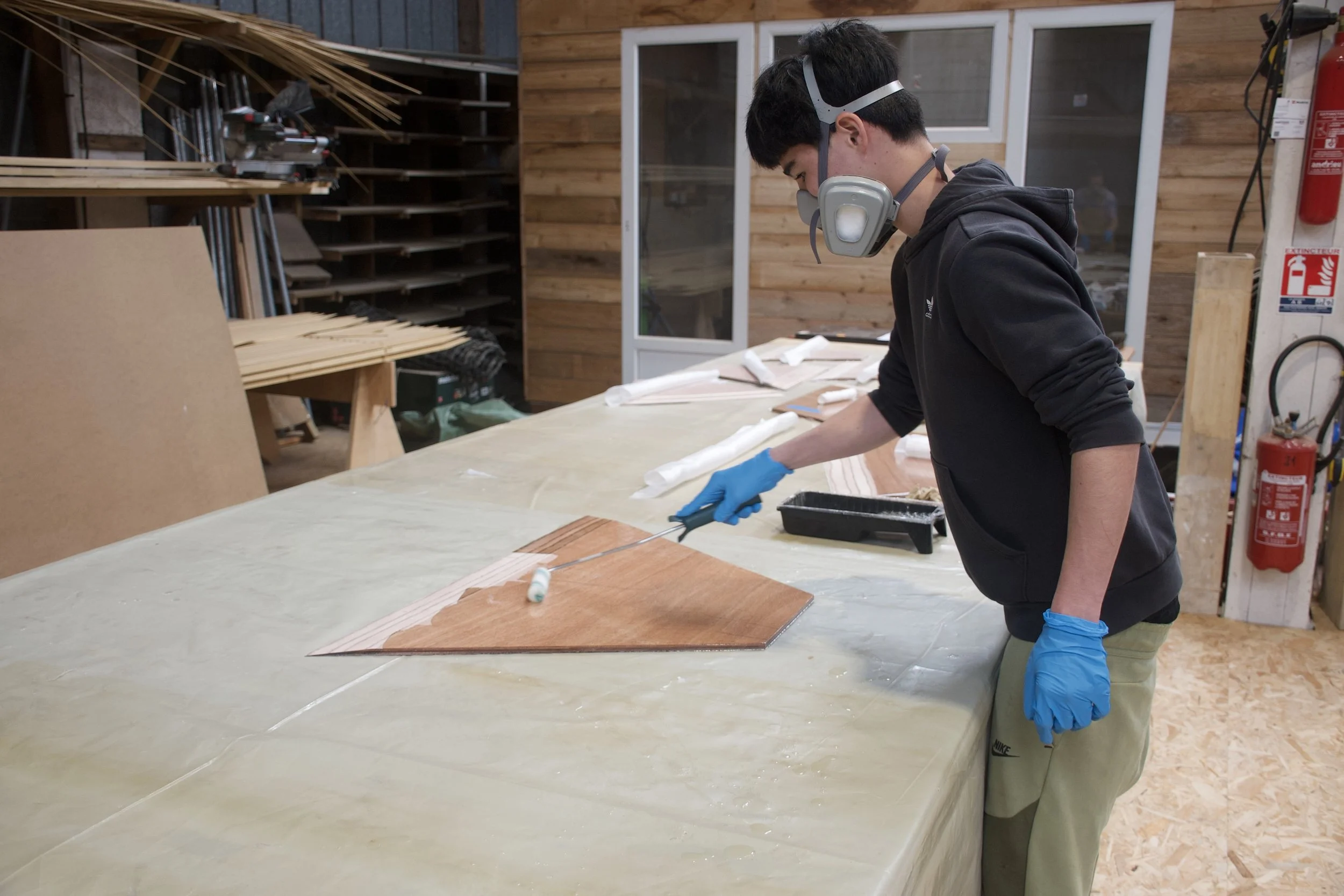
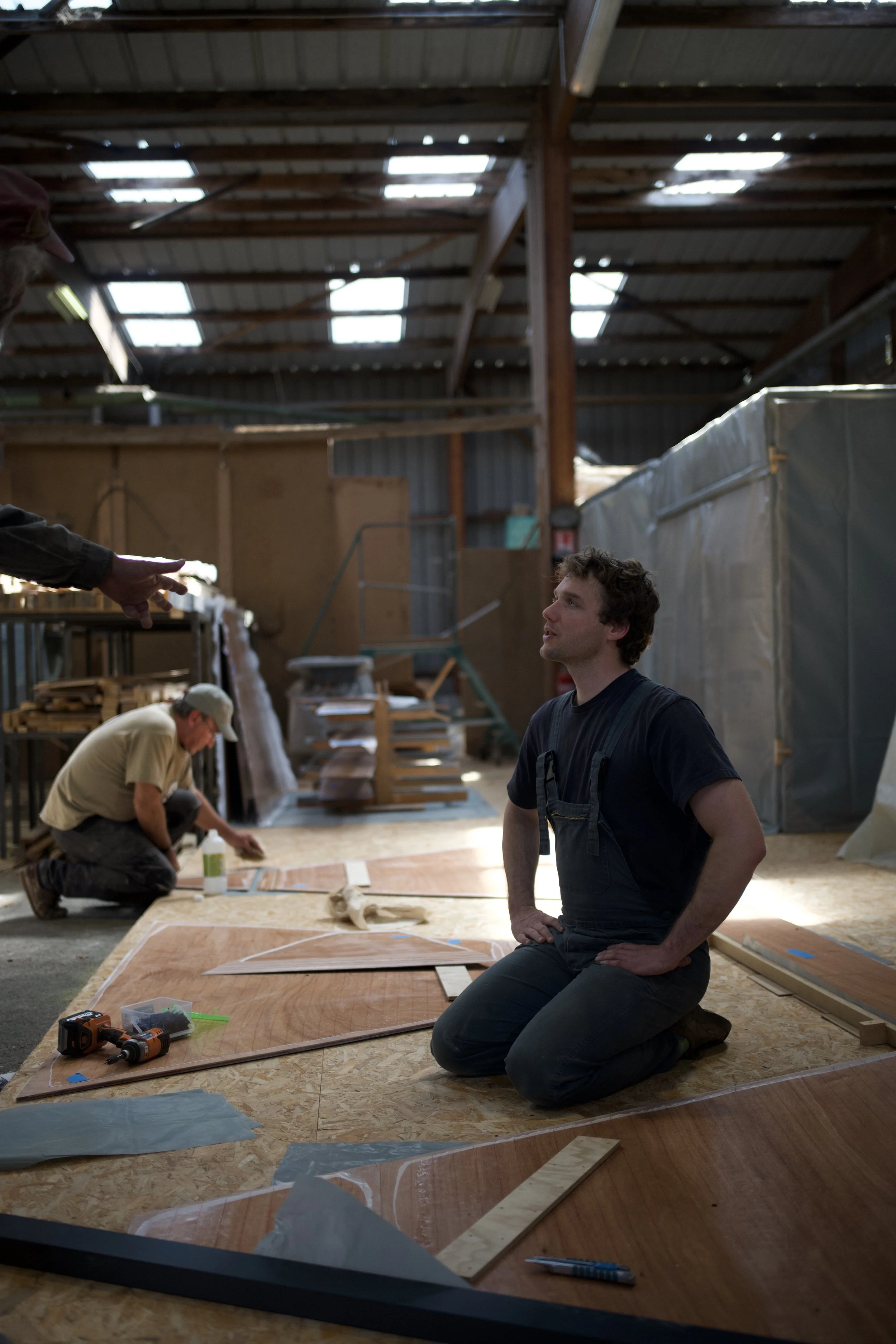
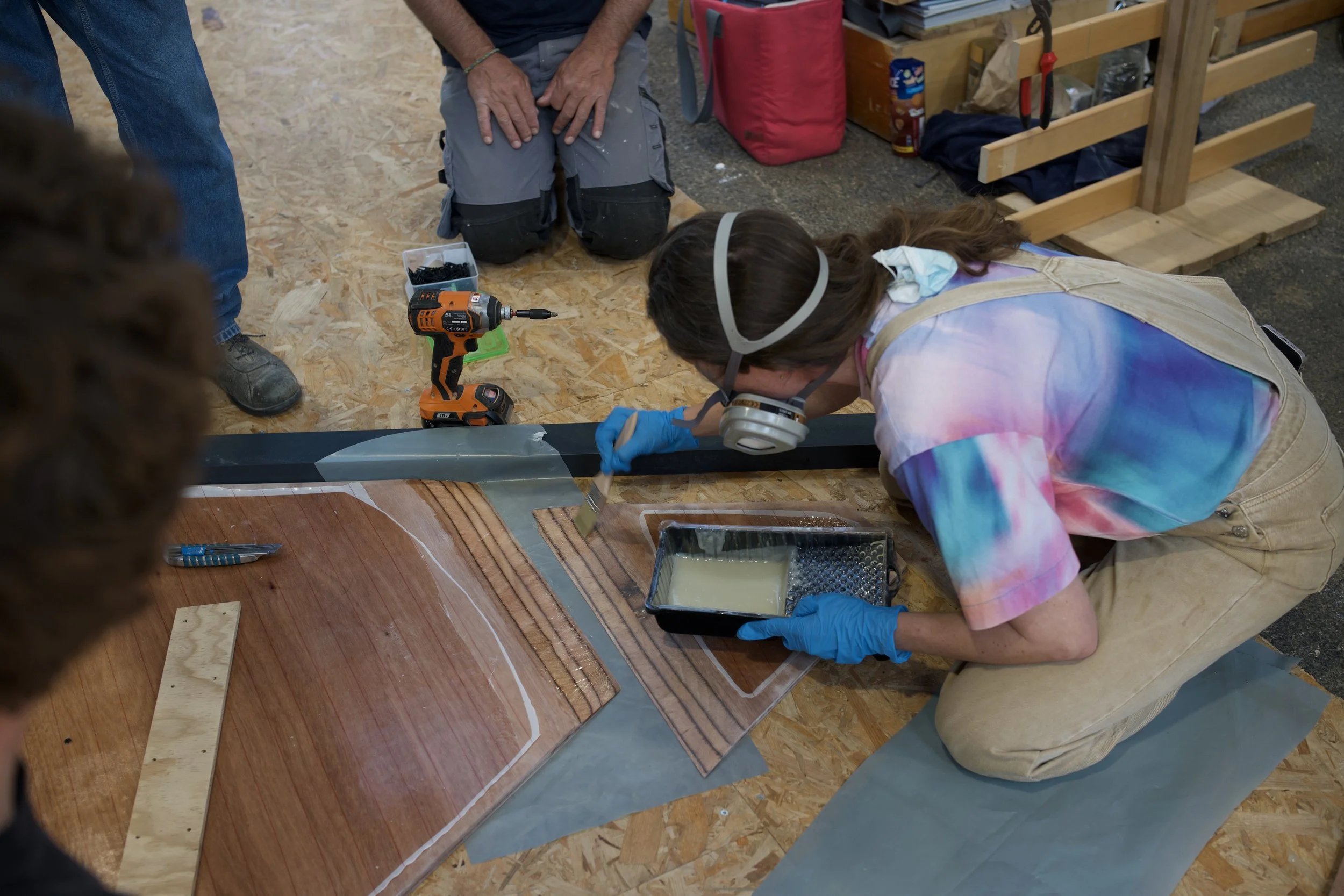
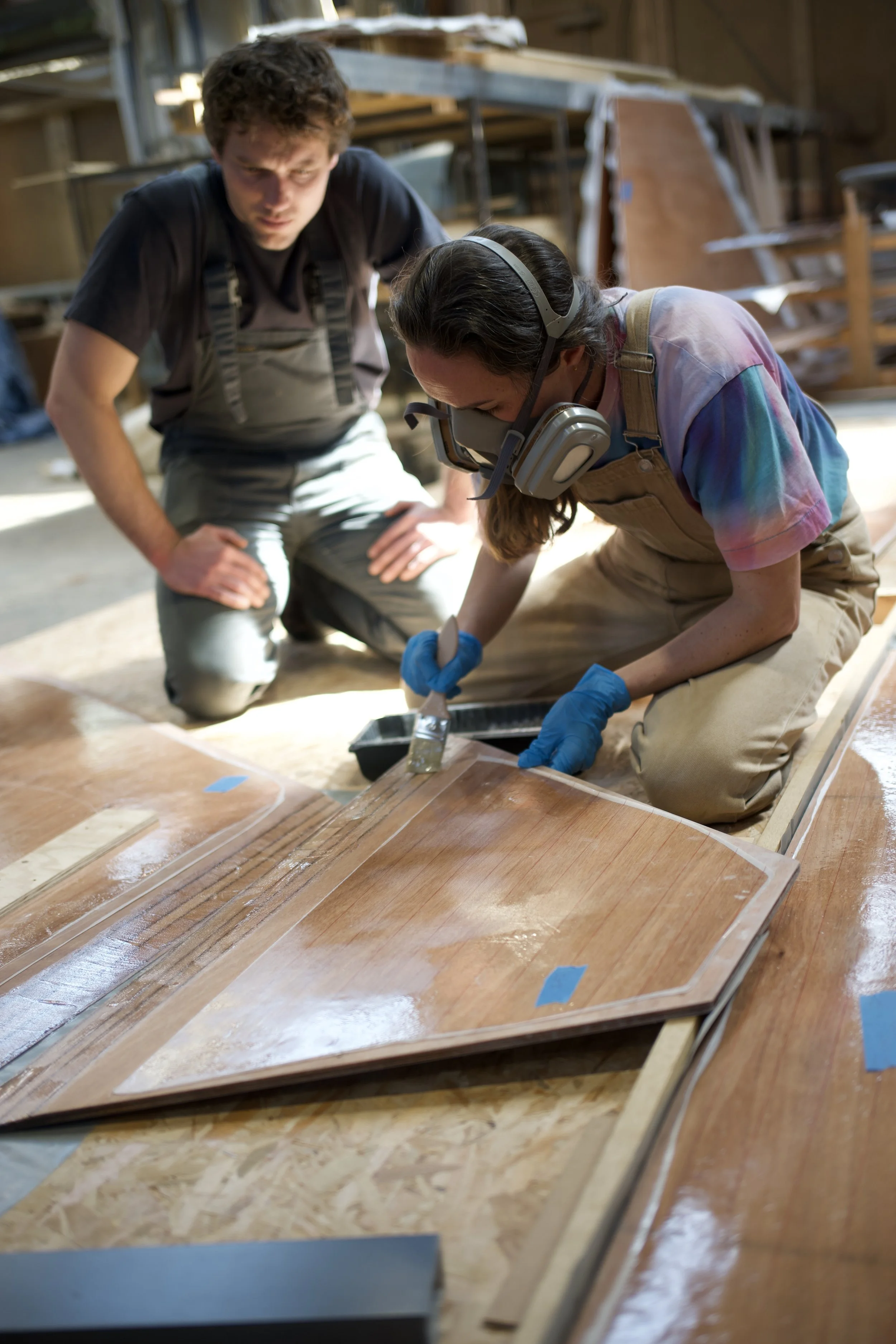
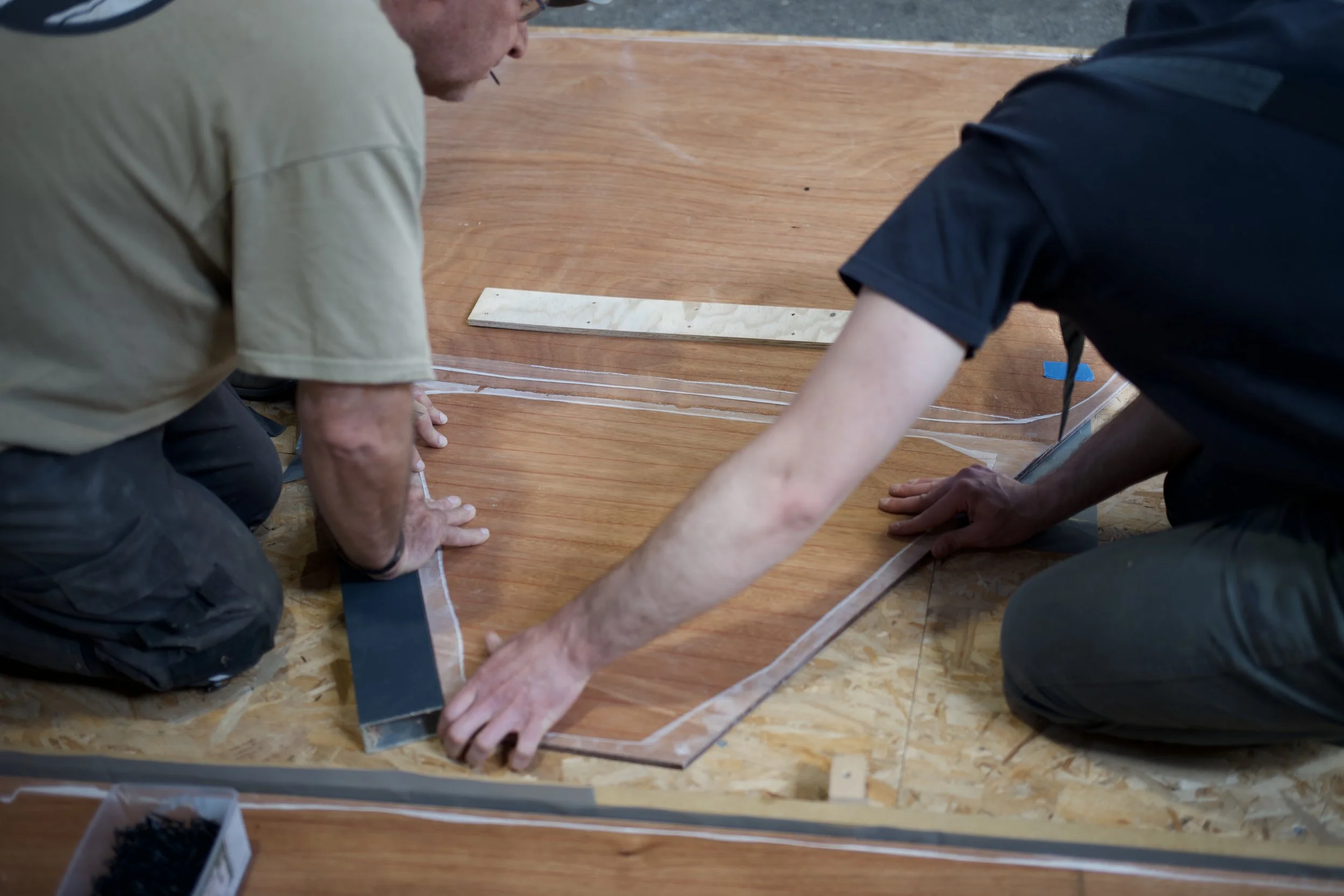
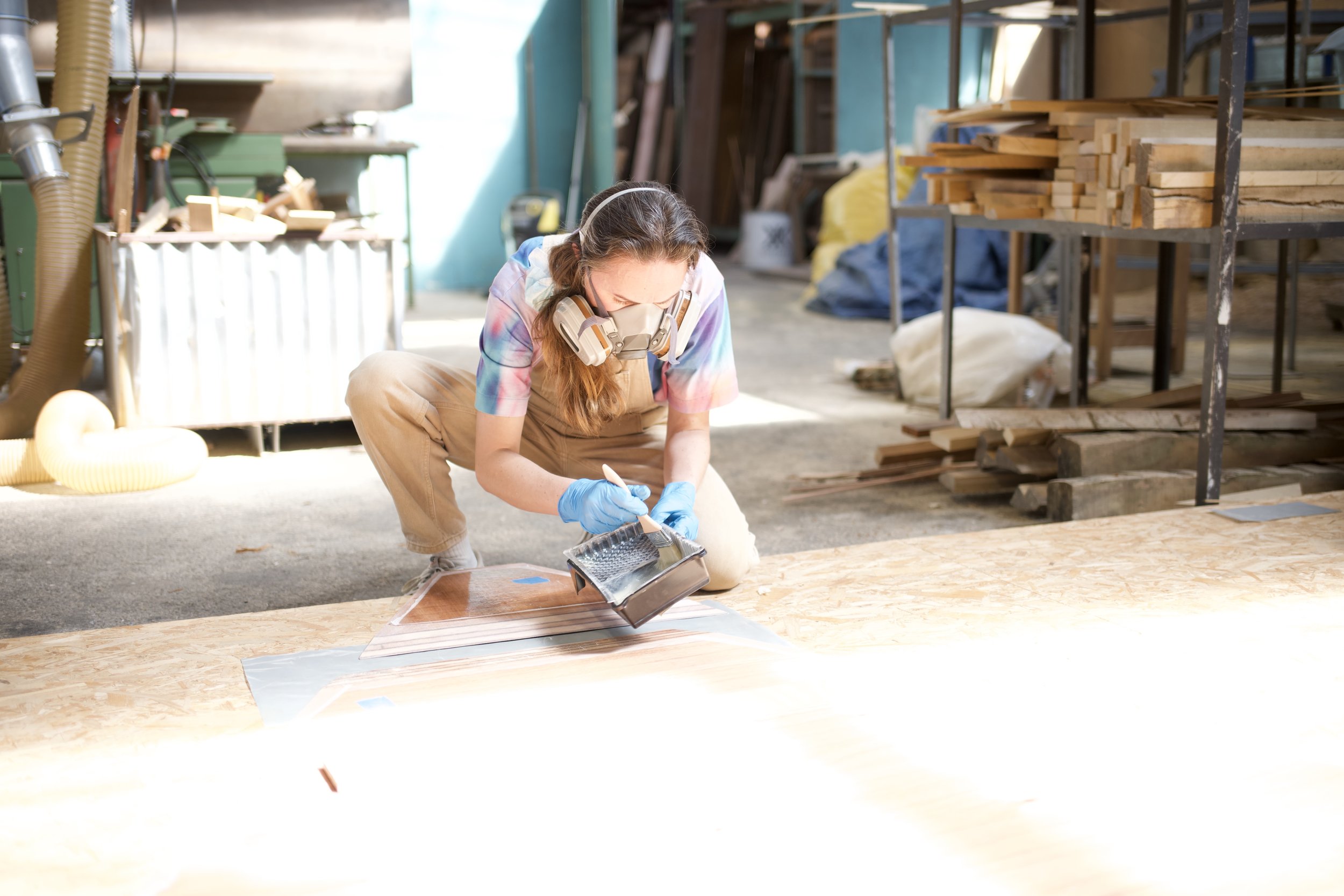
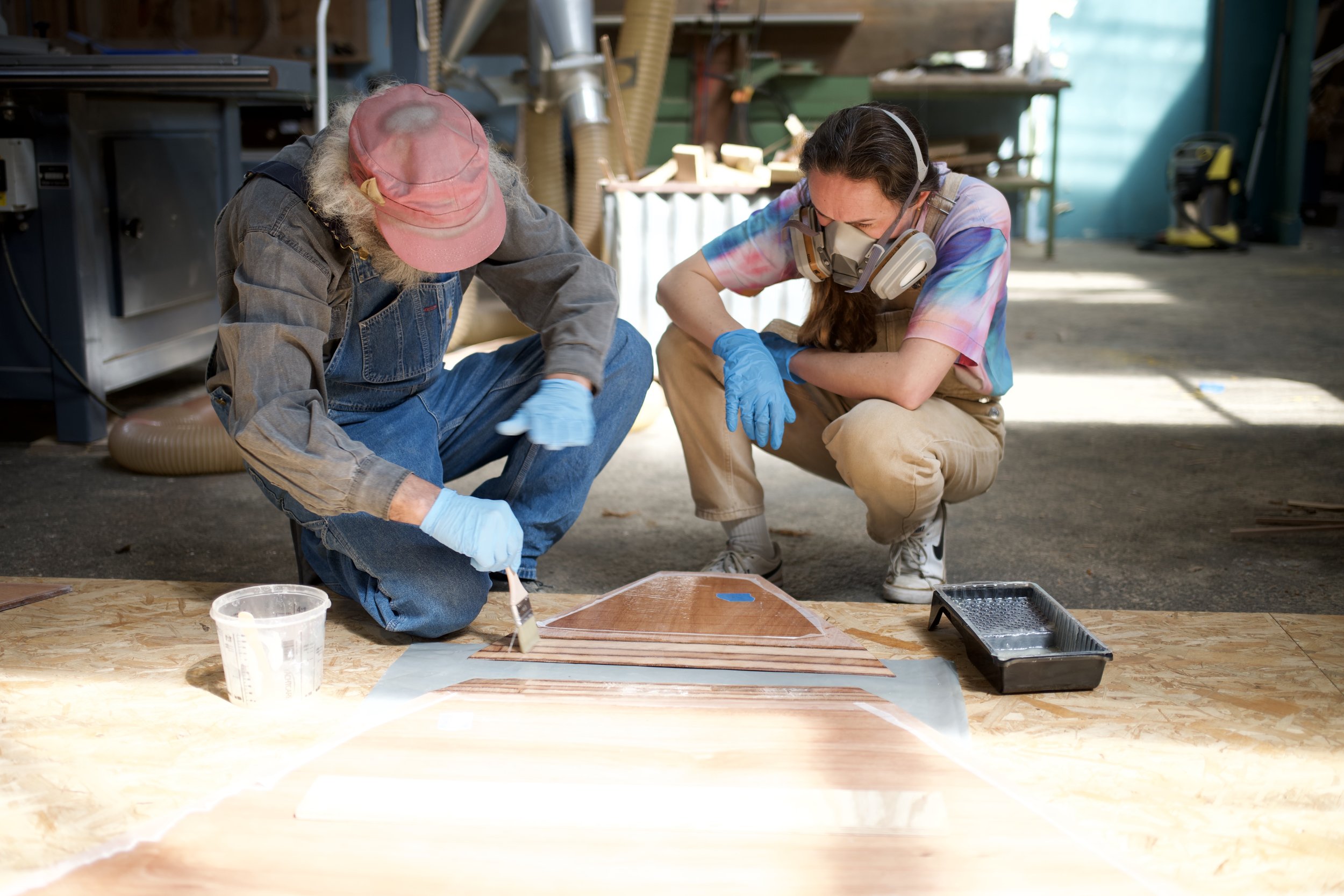
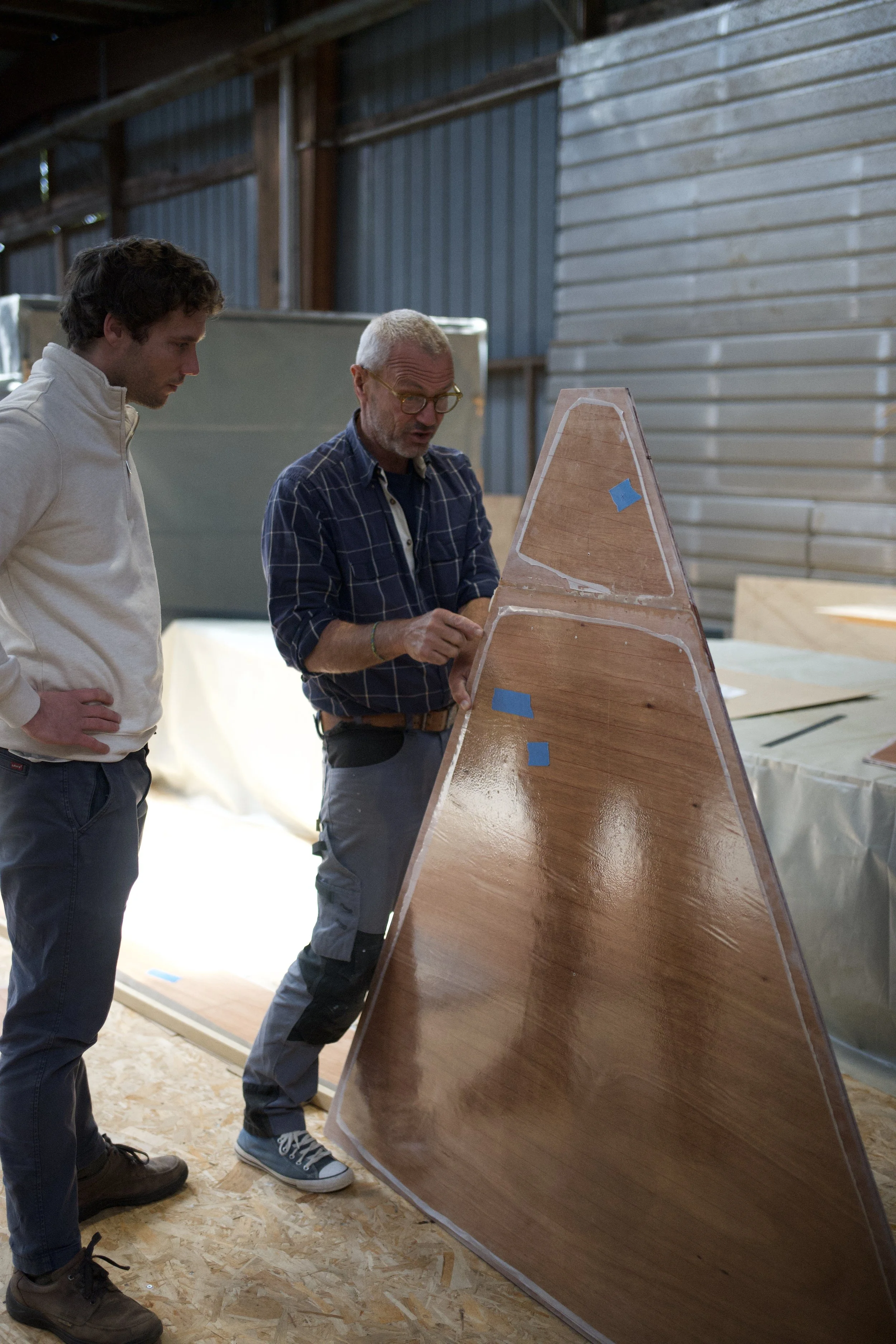
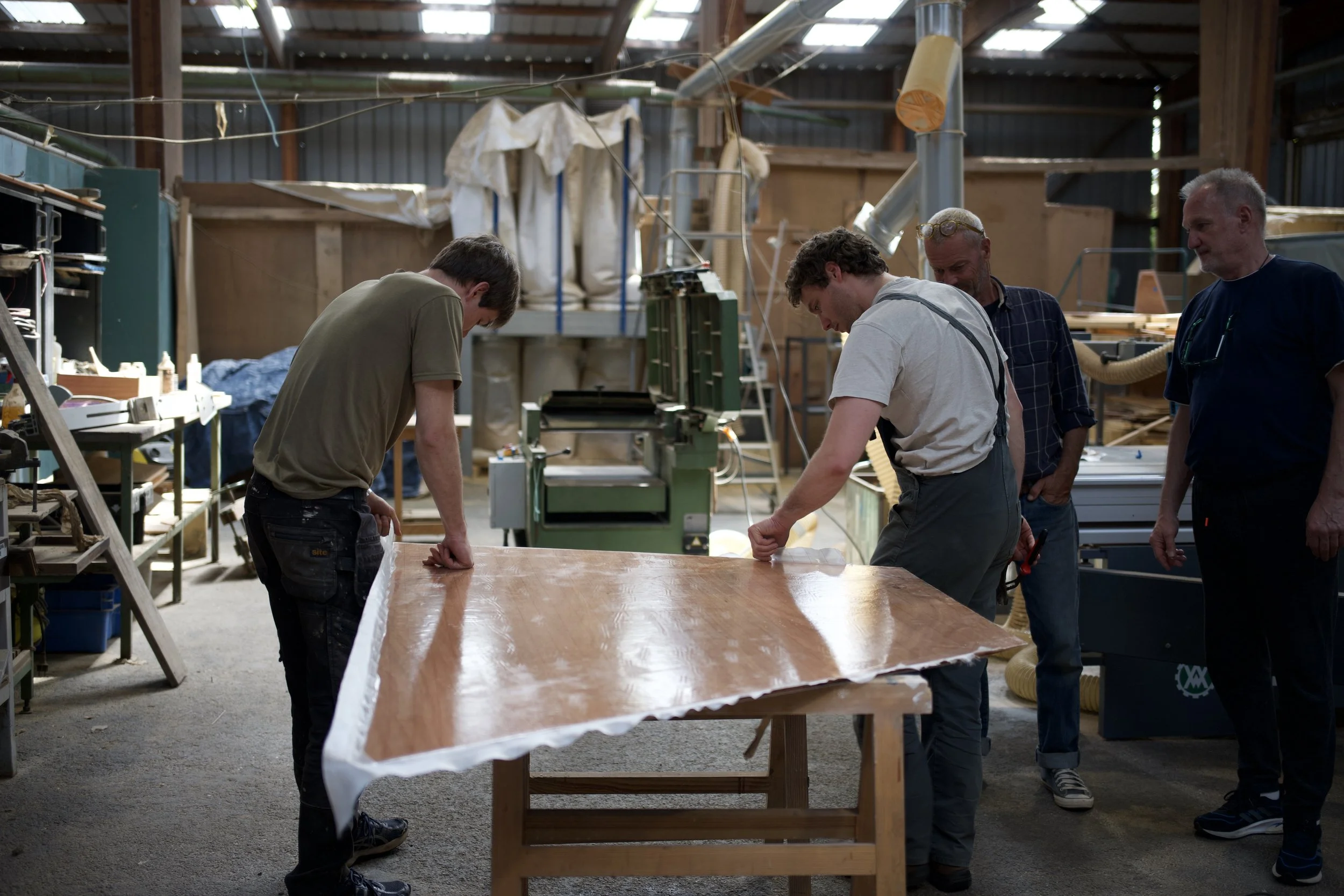
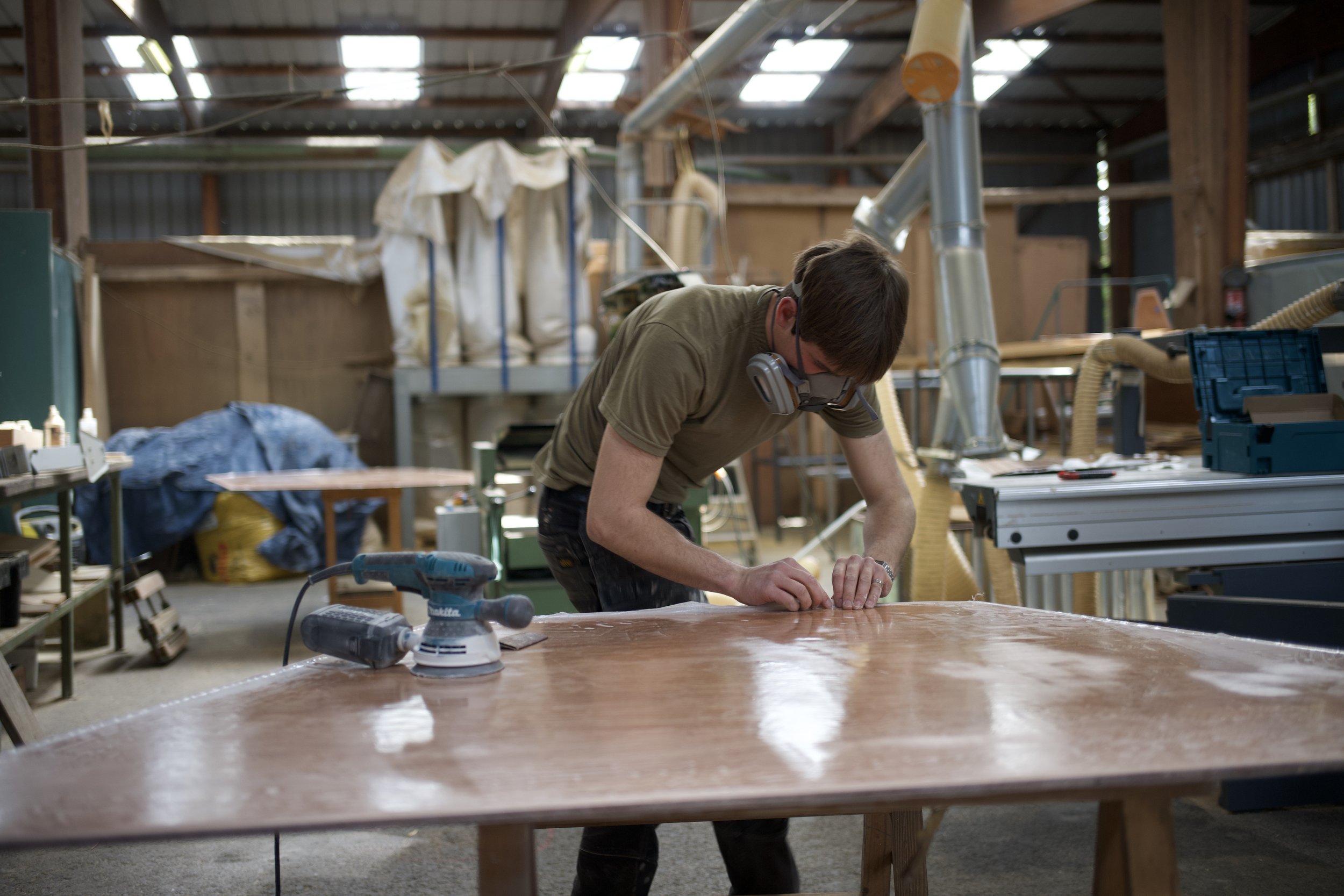
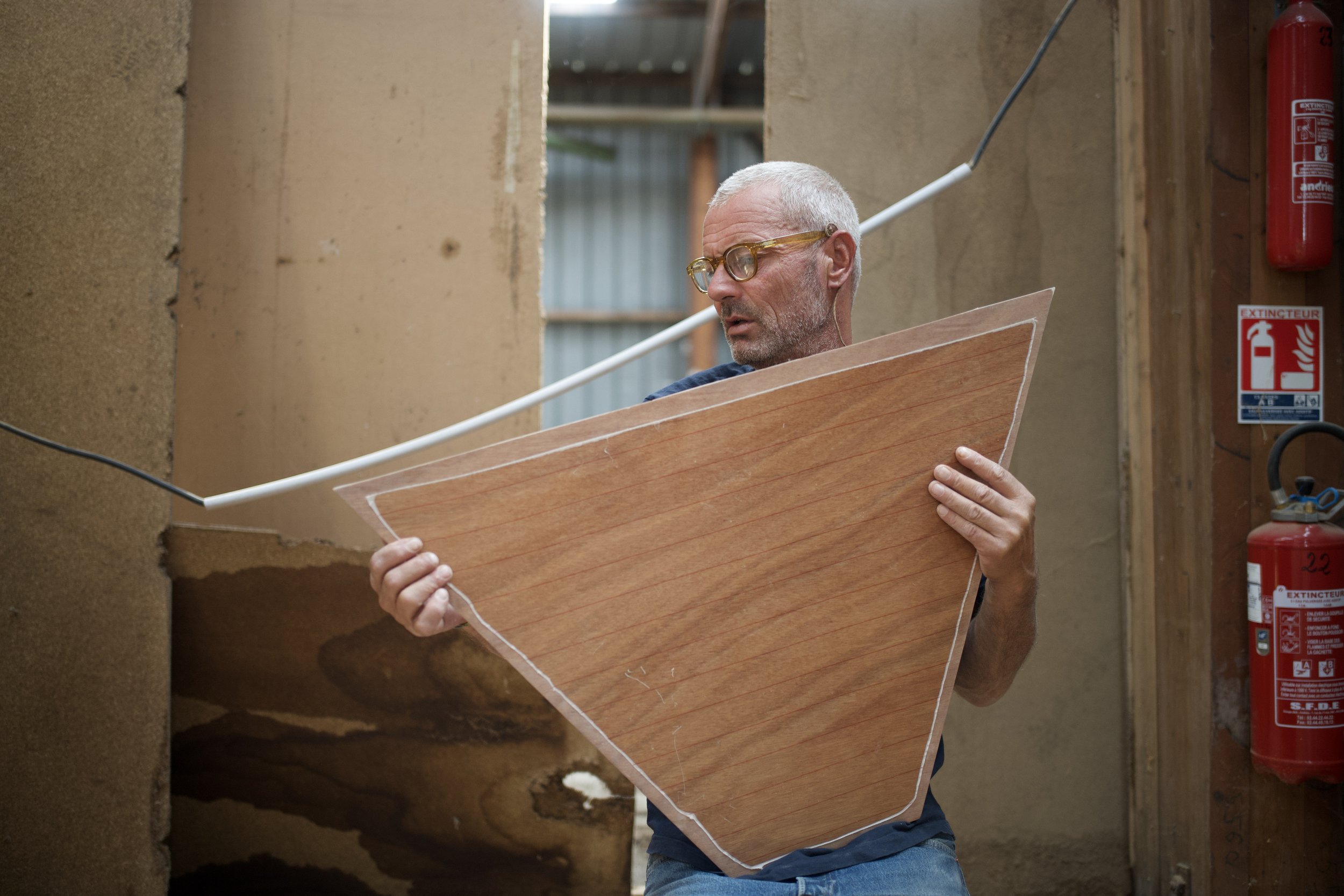
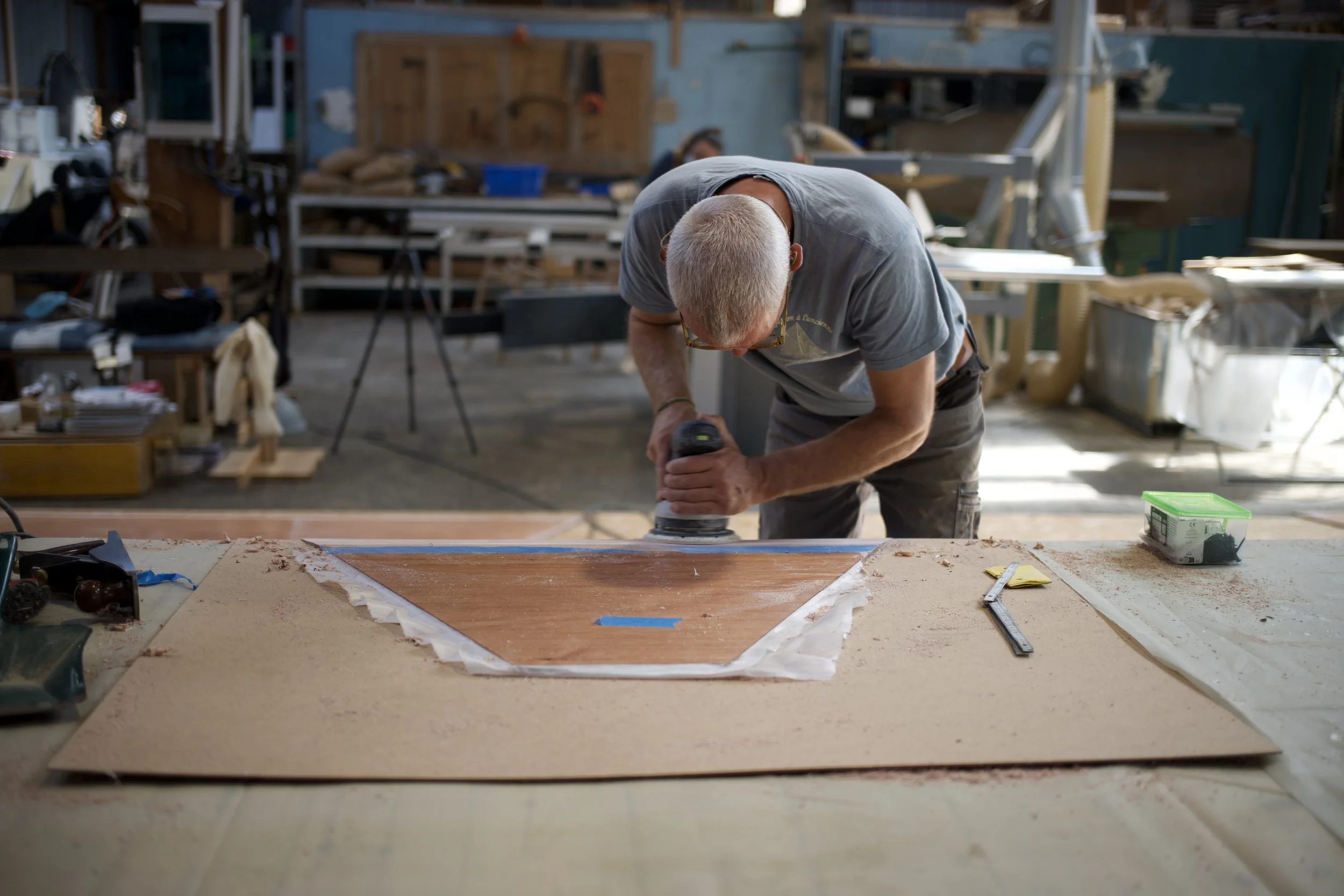
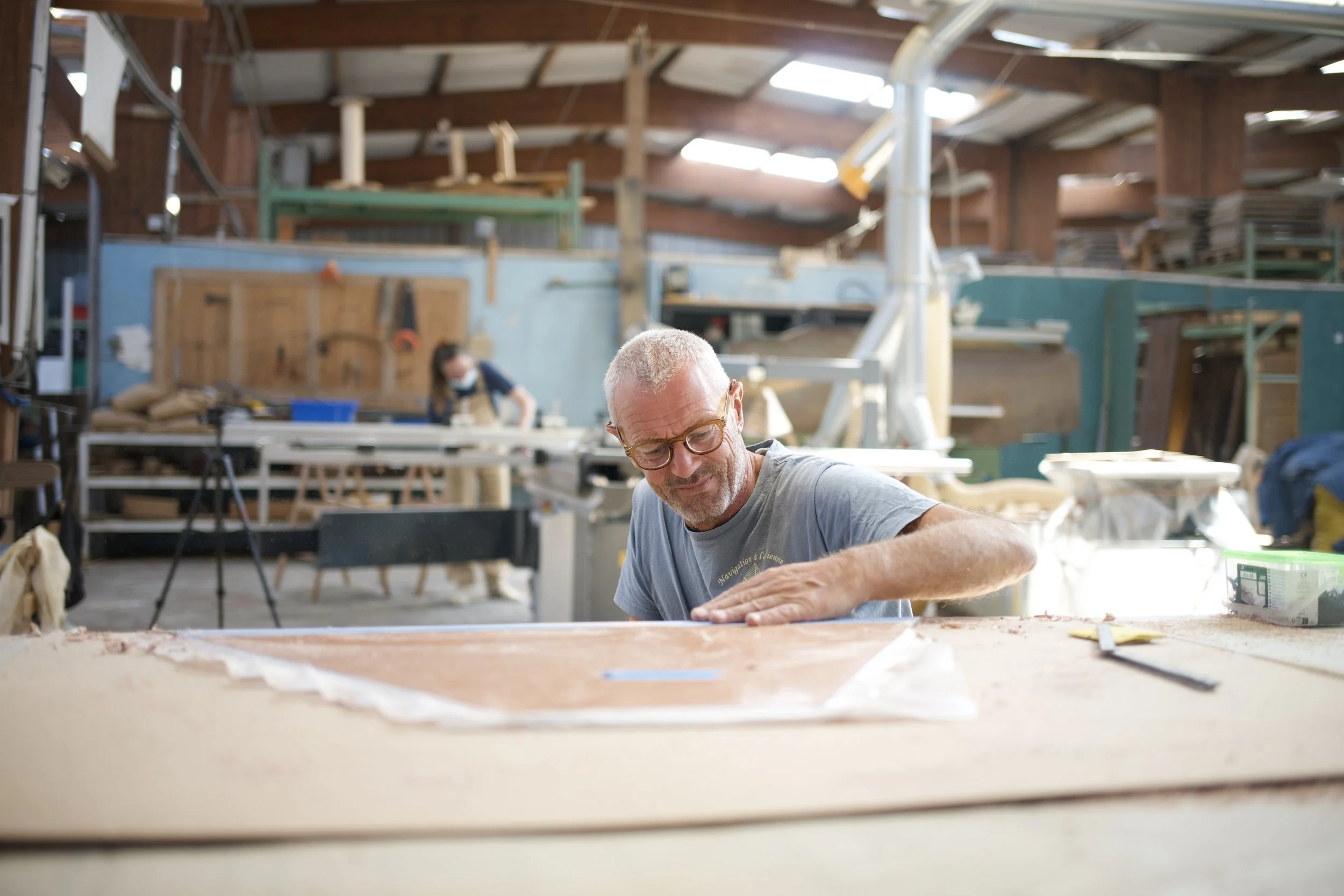
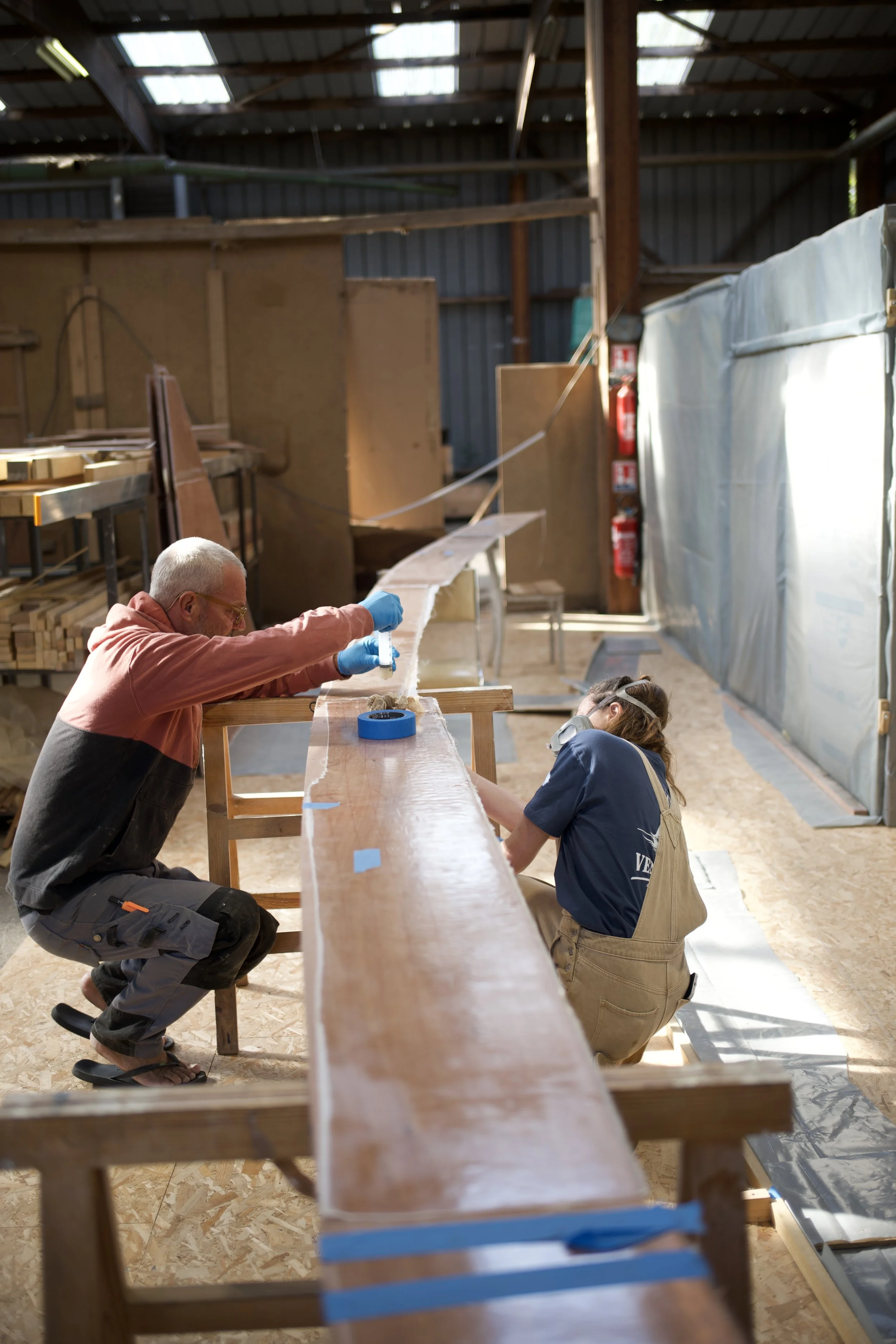
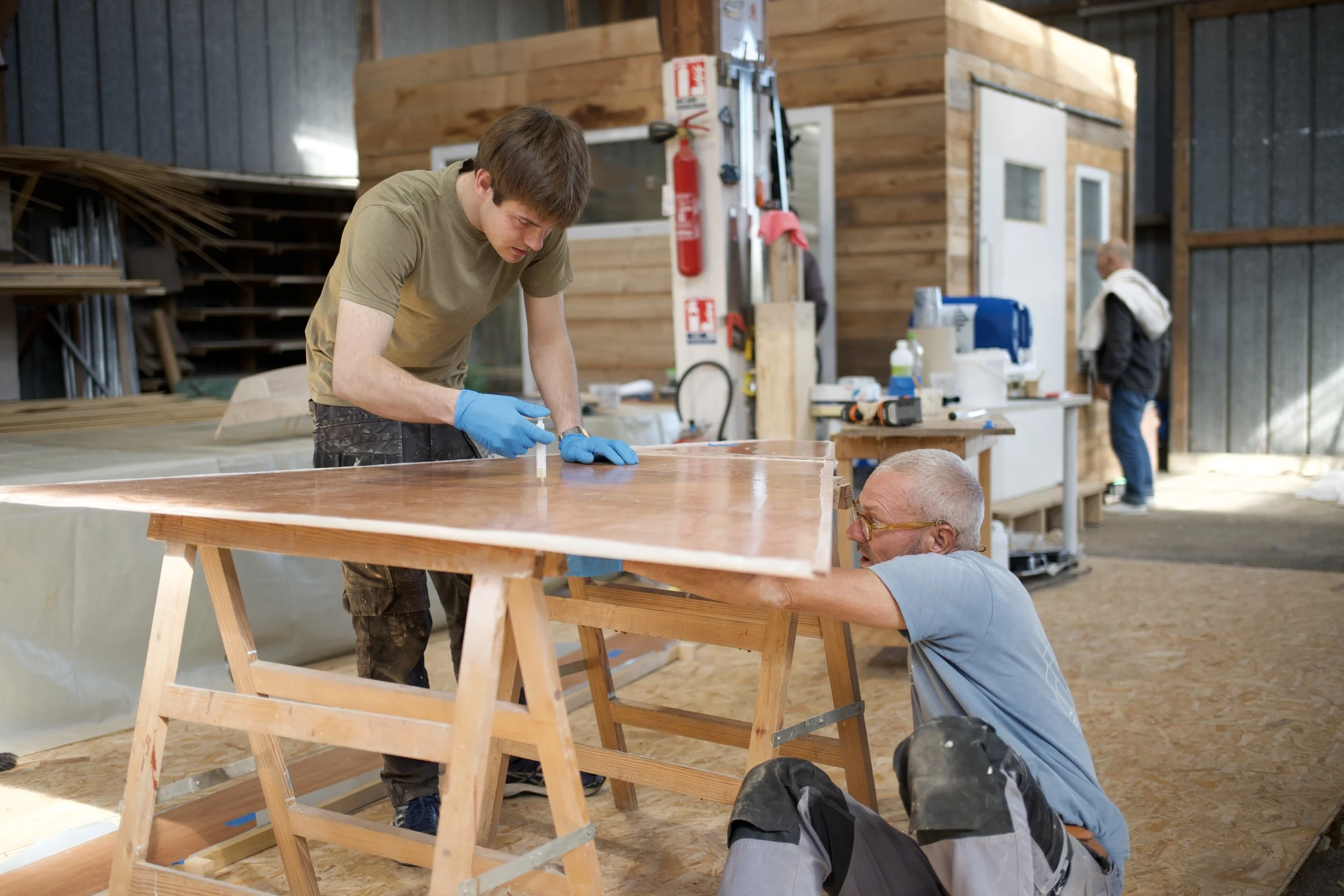
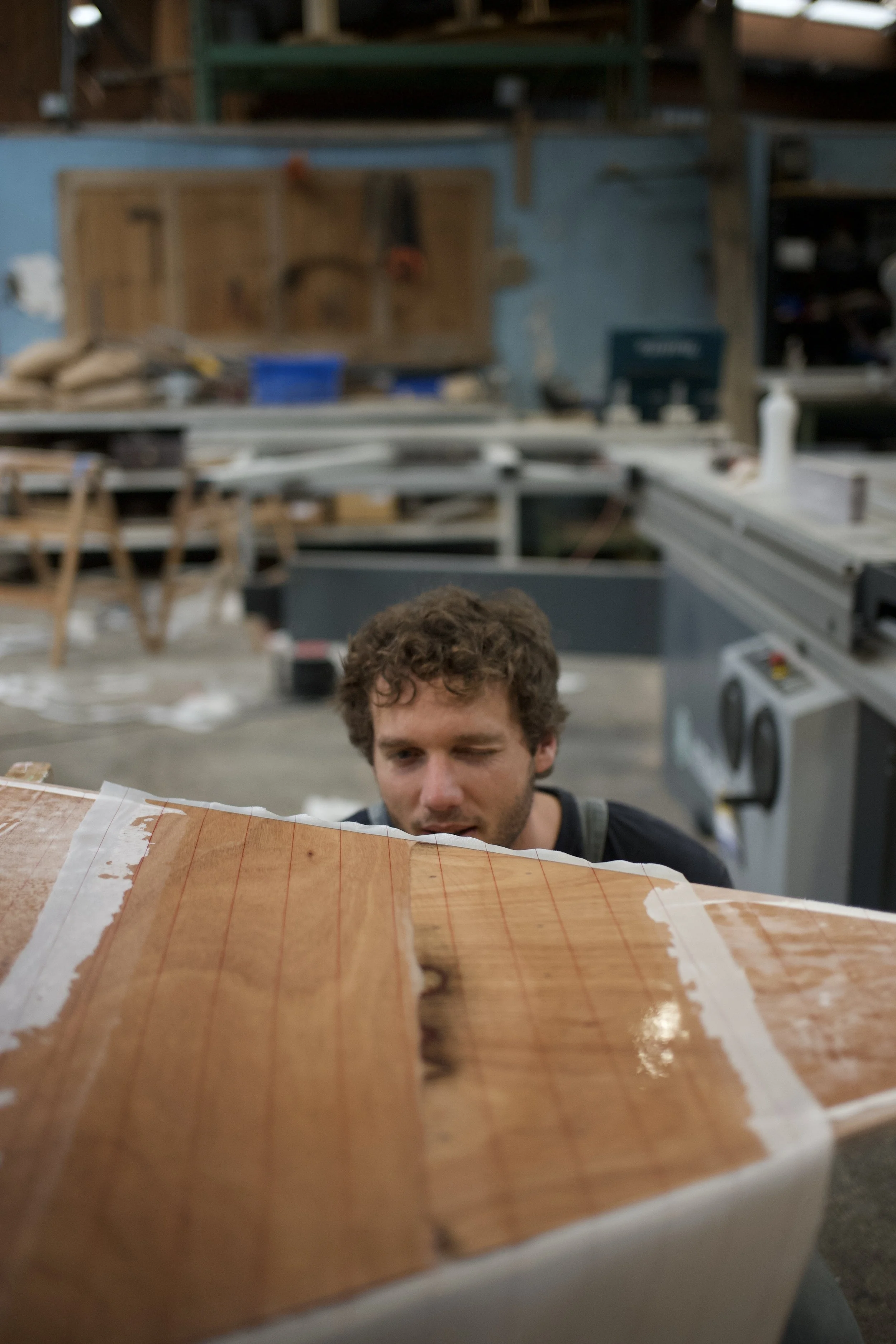
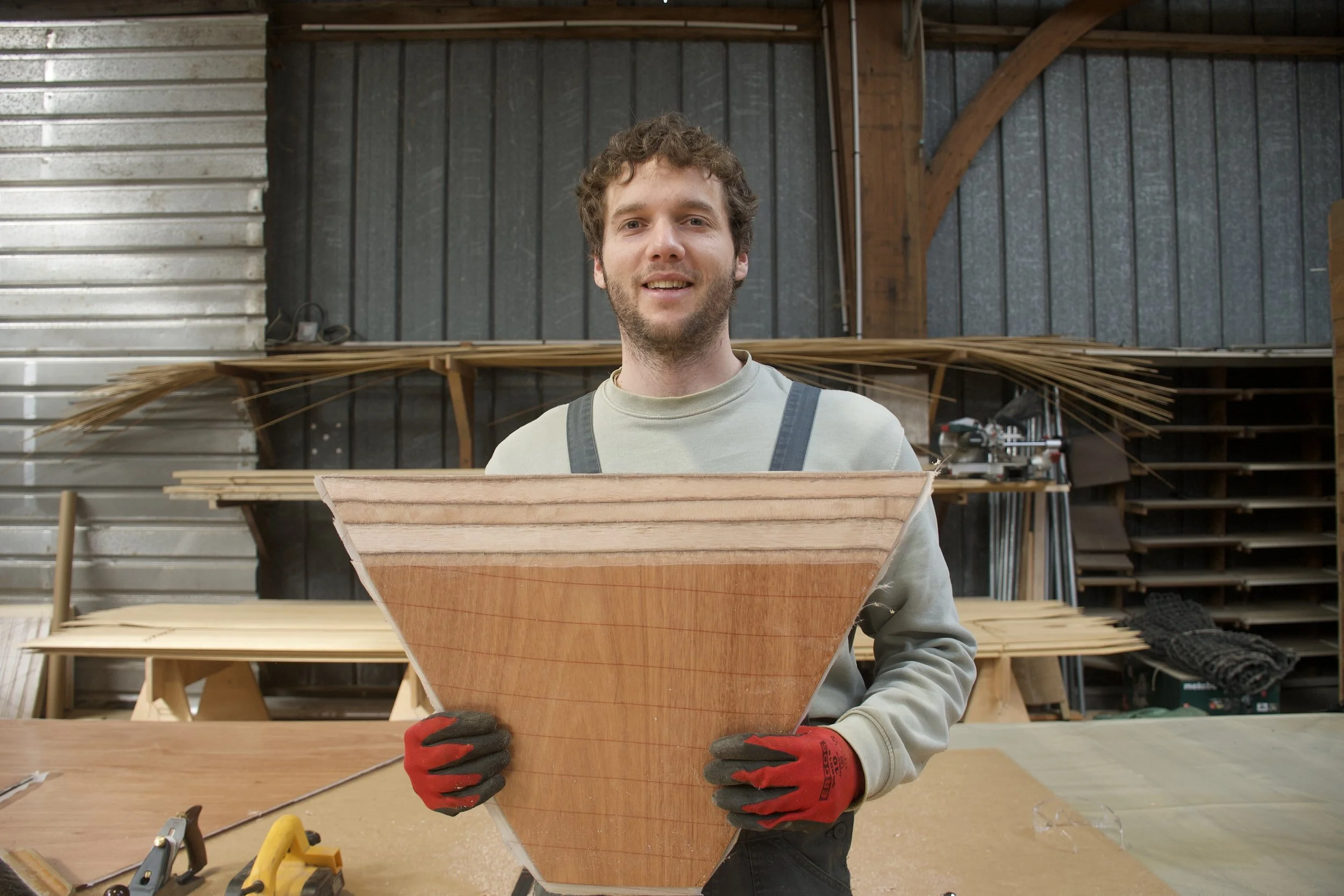
To cut the bulkheads, we drew the lines at full scale on the ply panels to create templates for each bulkhead and cut using a hand circular saw and ruler. This gave us much more accuracy than using a jig saw. All the backbone and bulkhead pieces were then coated twice with epoxy and peel ply — we noticed the Okoume didn’t consume as much resin as the Maritime Pine we will use for the planking, so opted for two coats now and will do a third ‘varnish’ coat when the interior assembly is complete. We swear by peel ply and list many of the benefits in a Substack newsletter here.
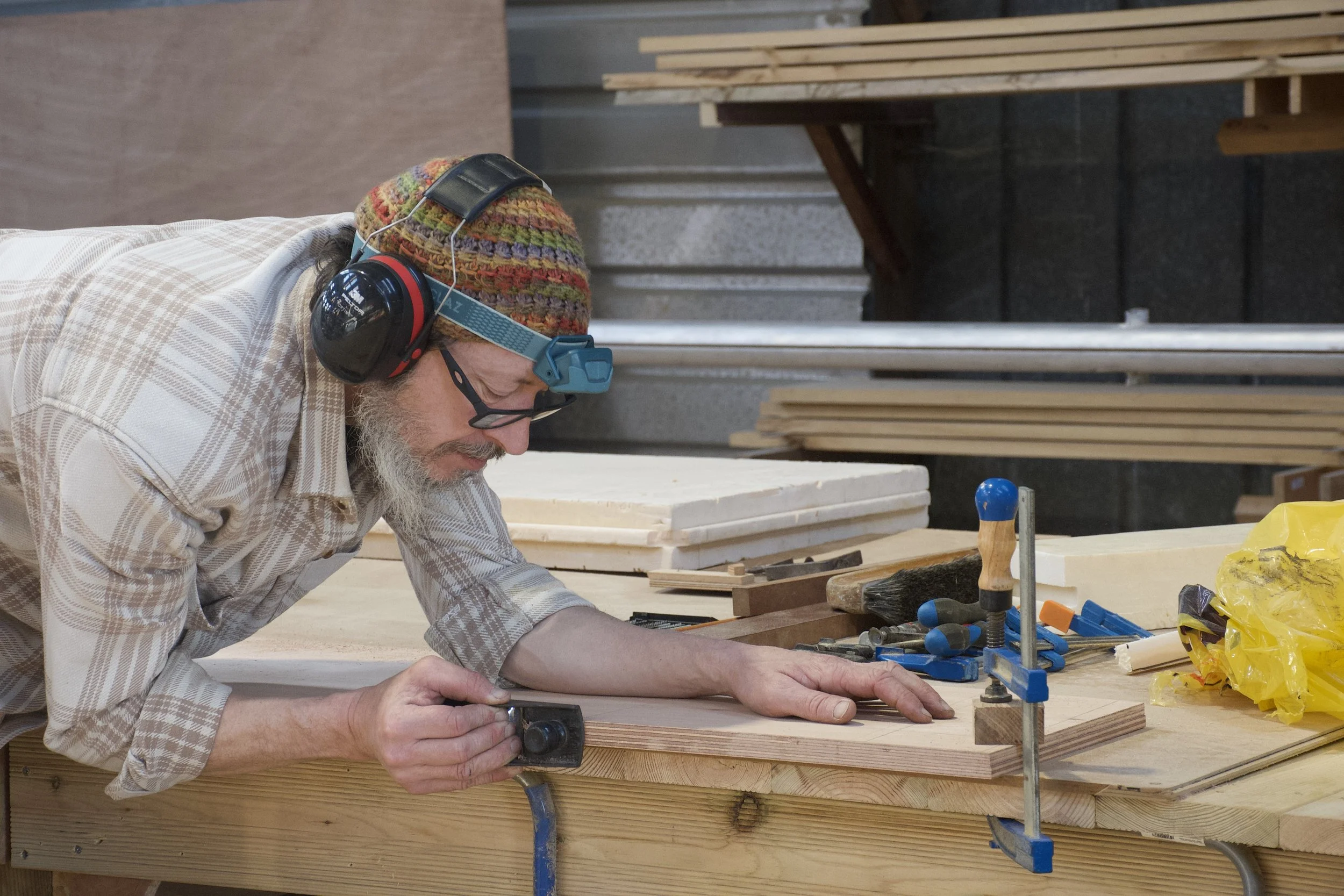
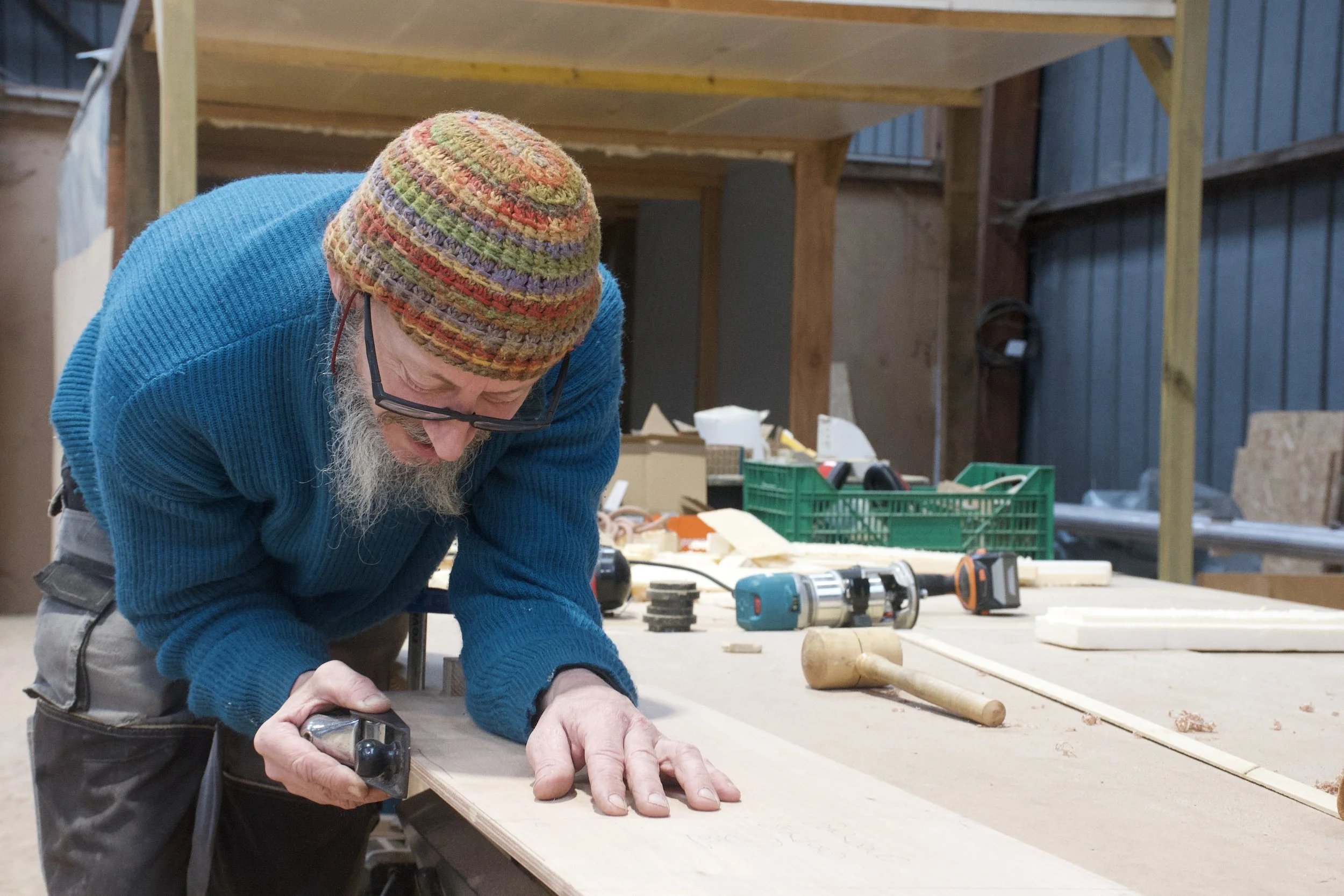
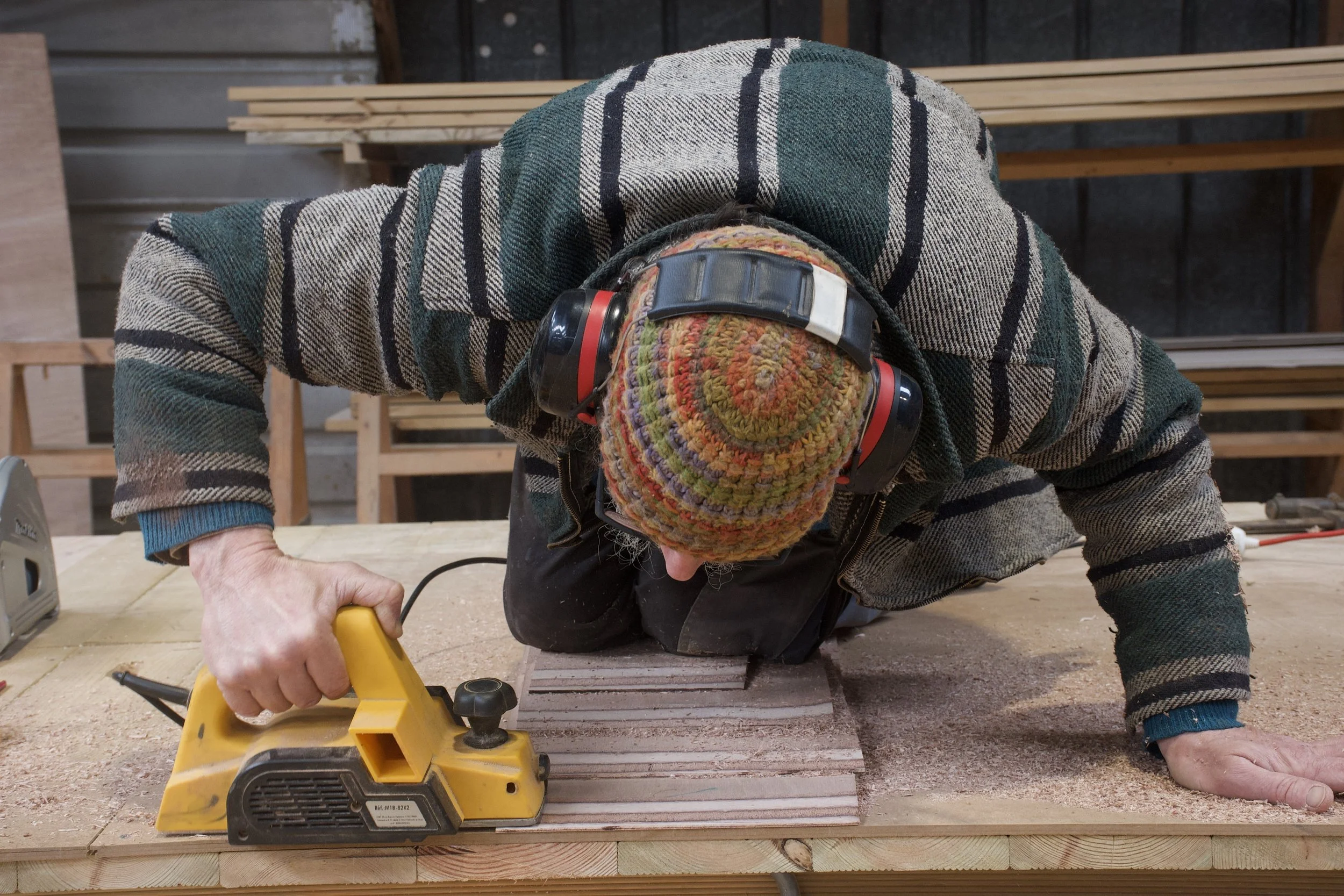
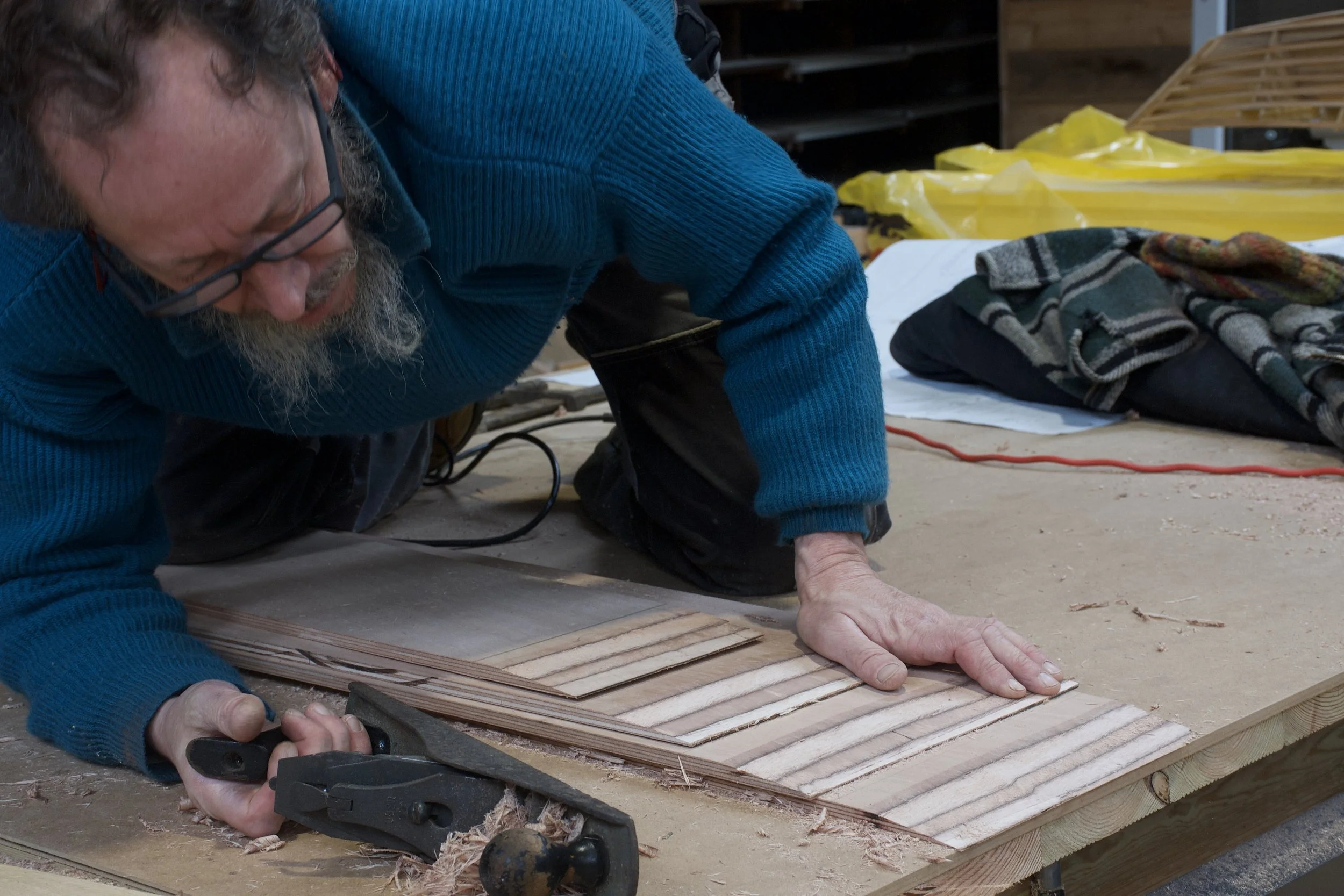
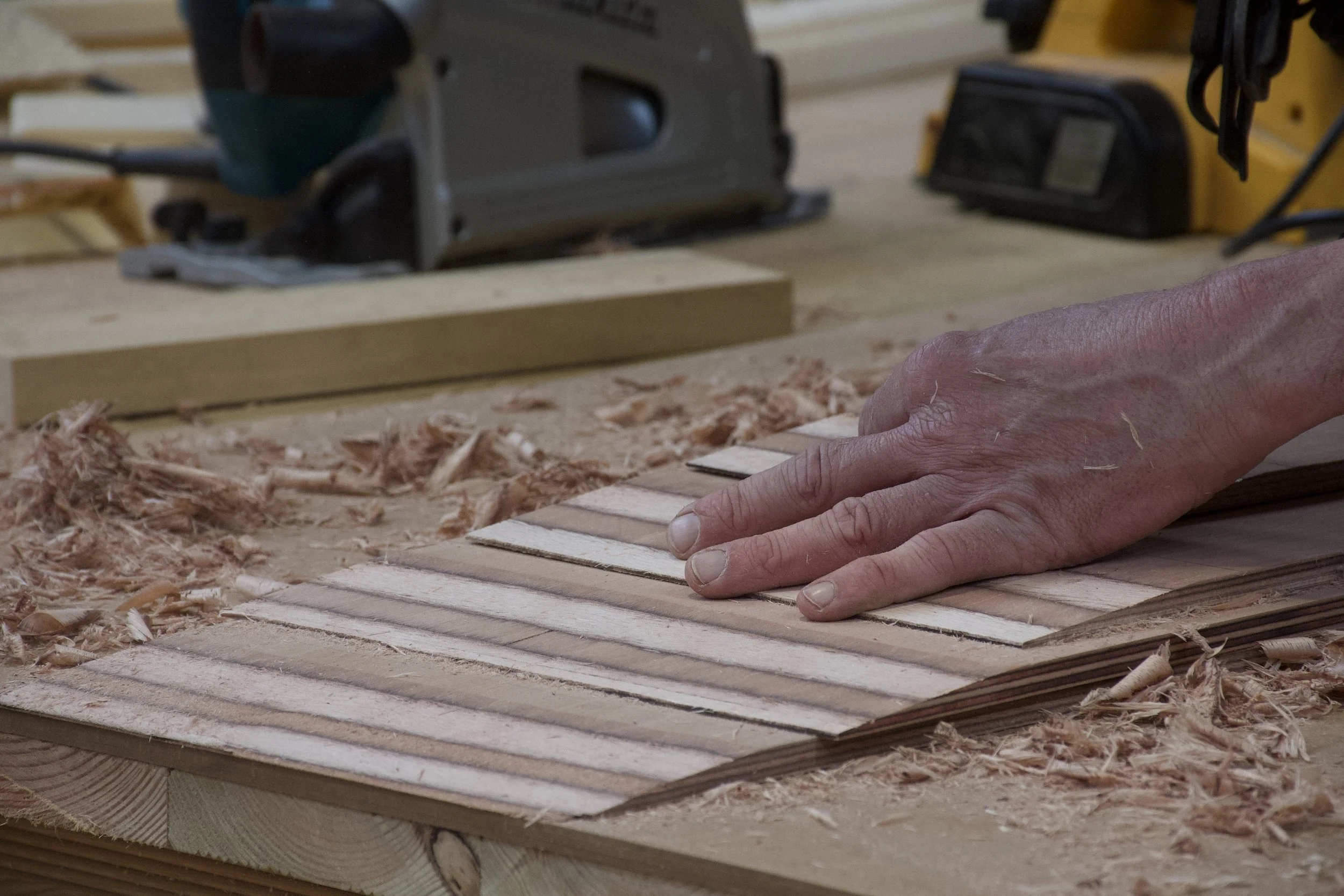
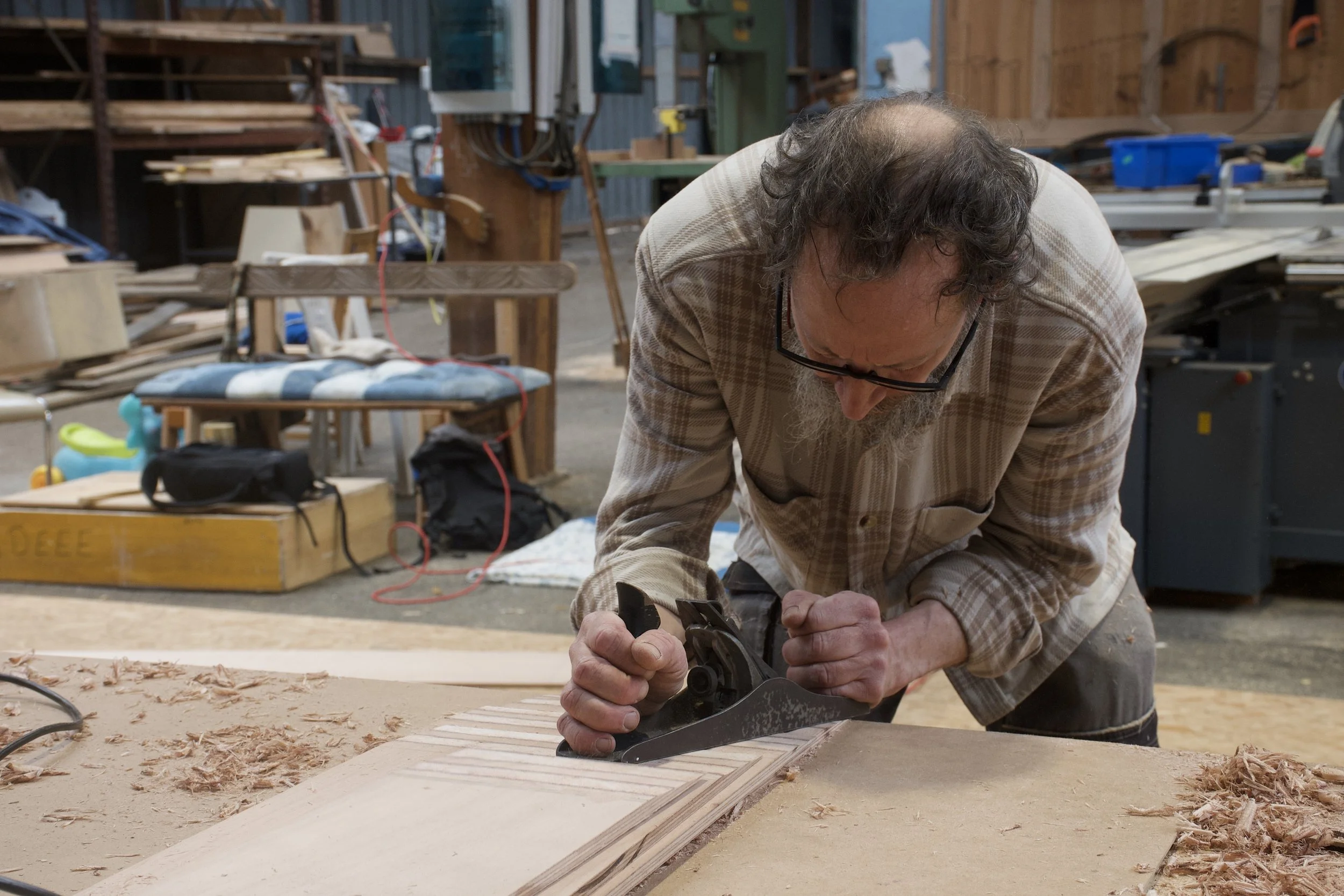
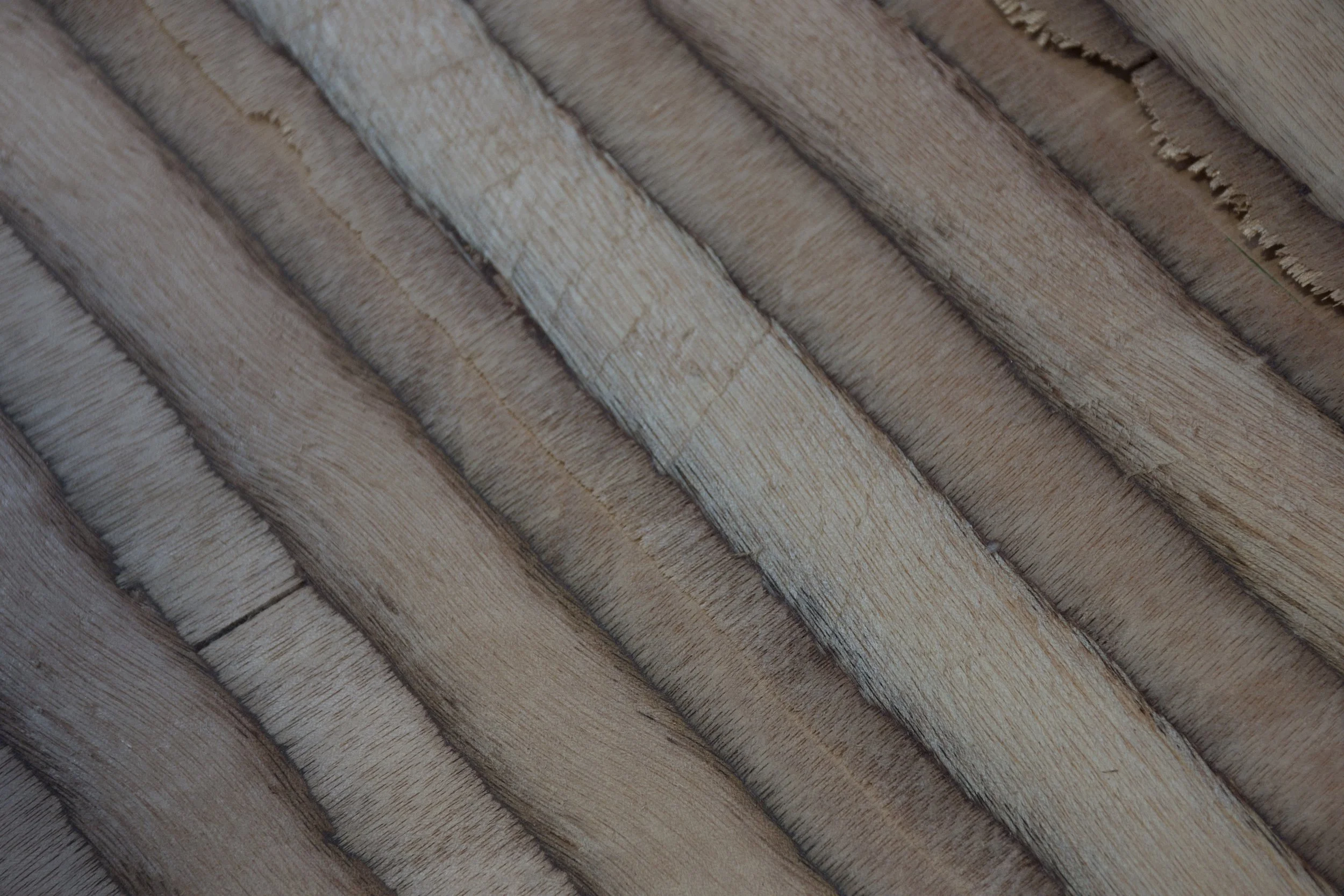
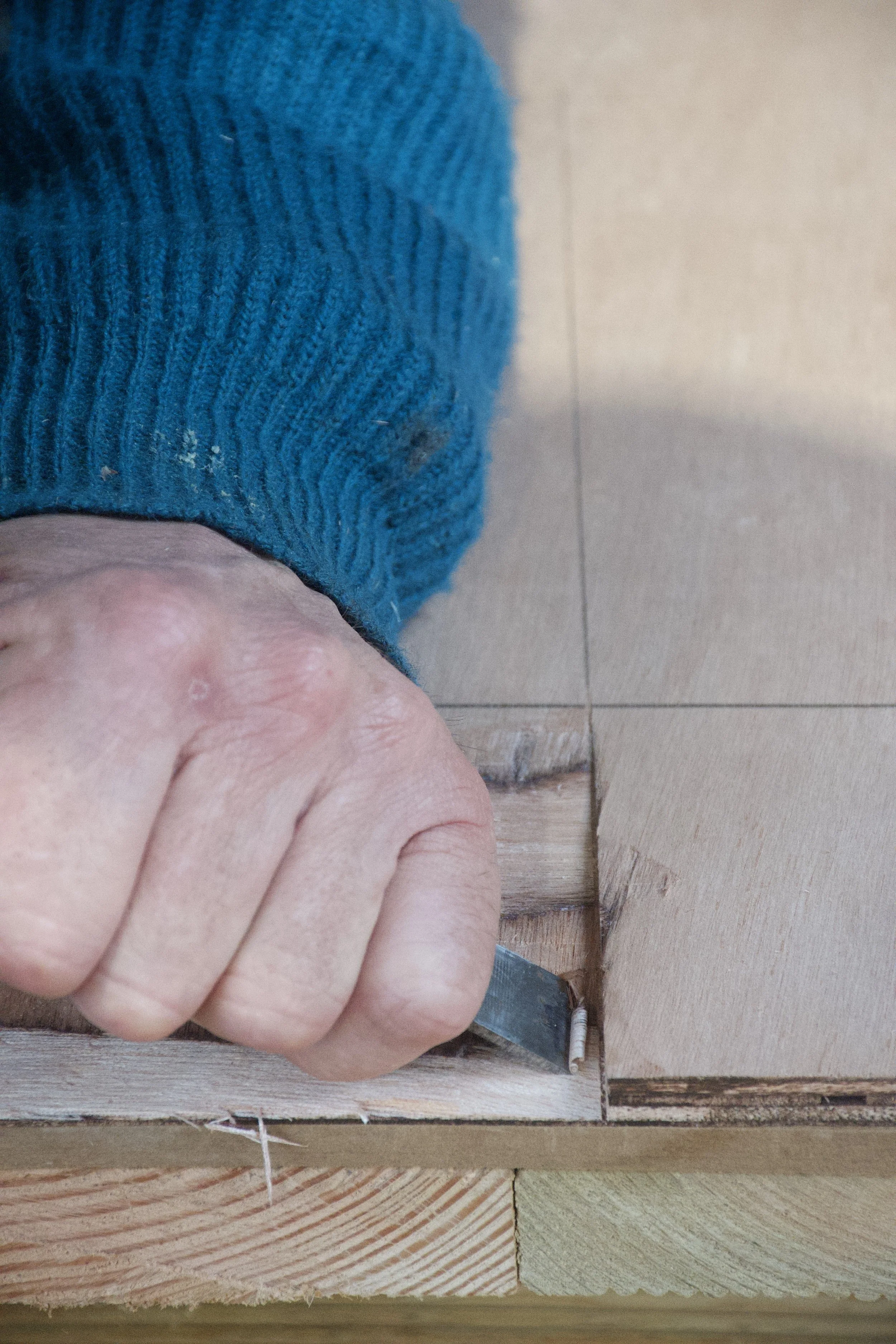
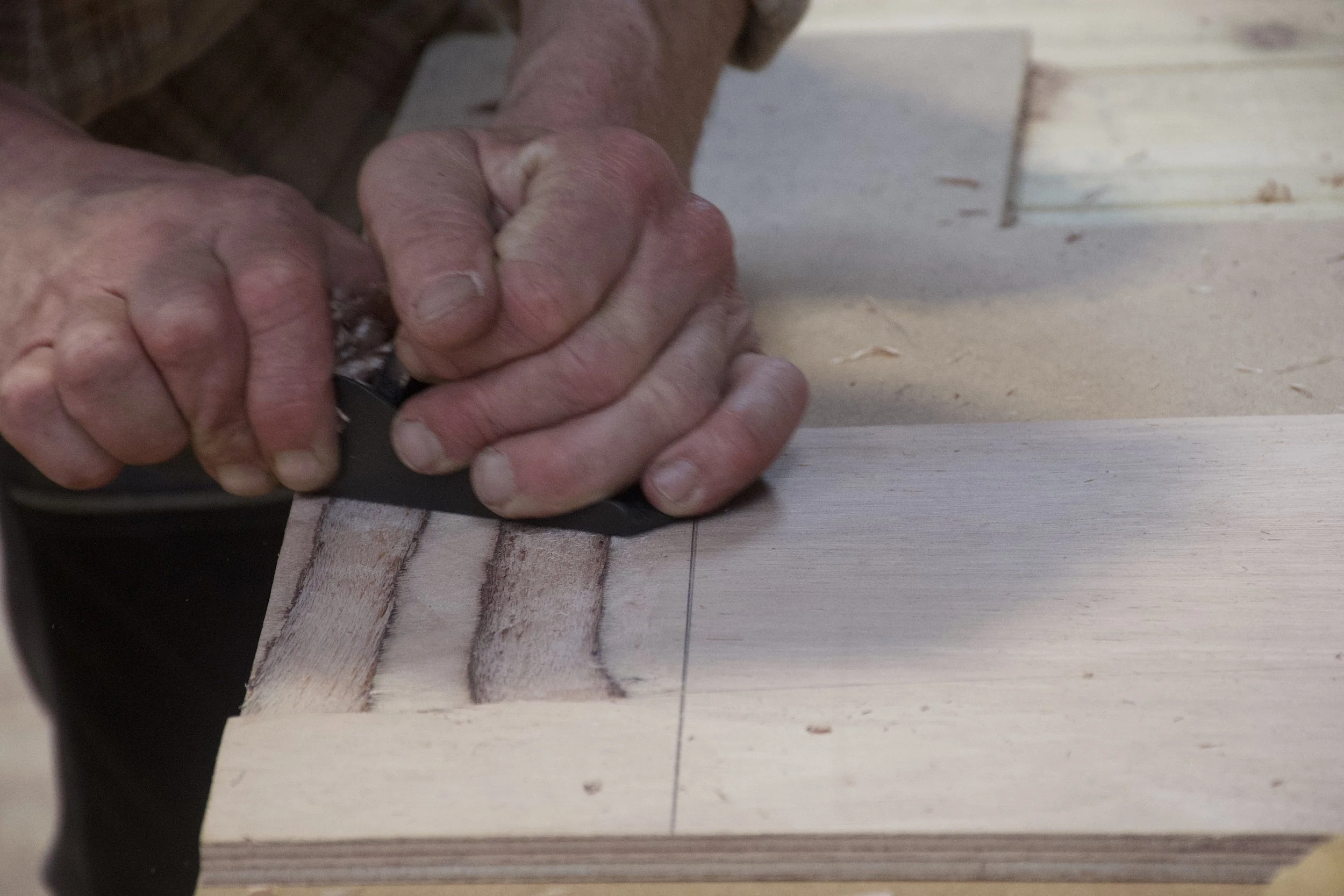
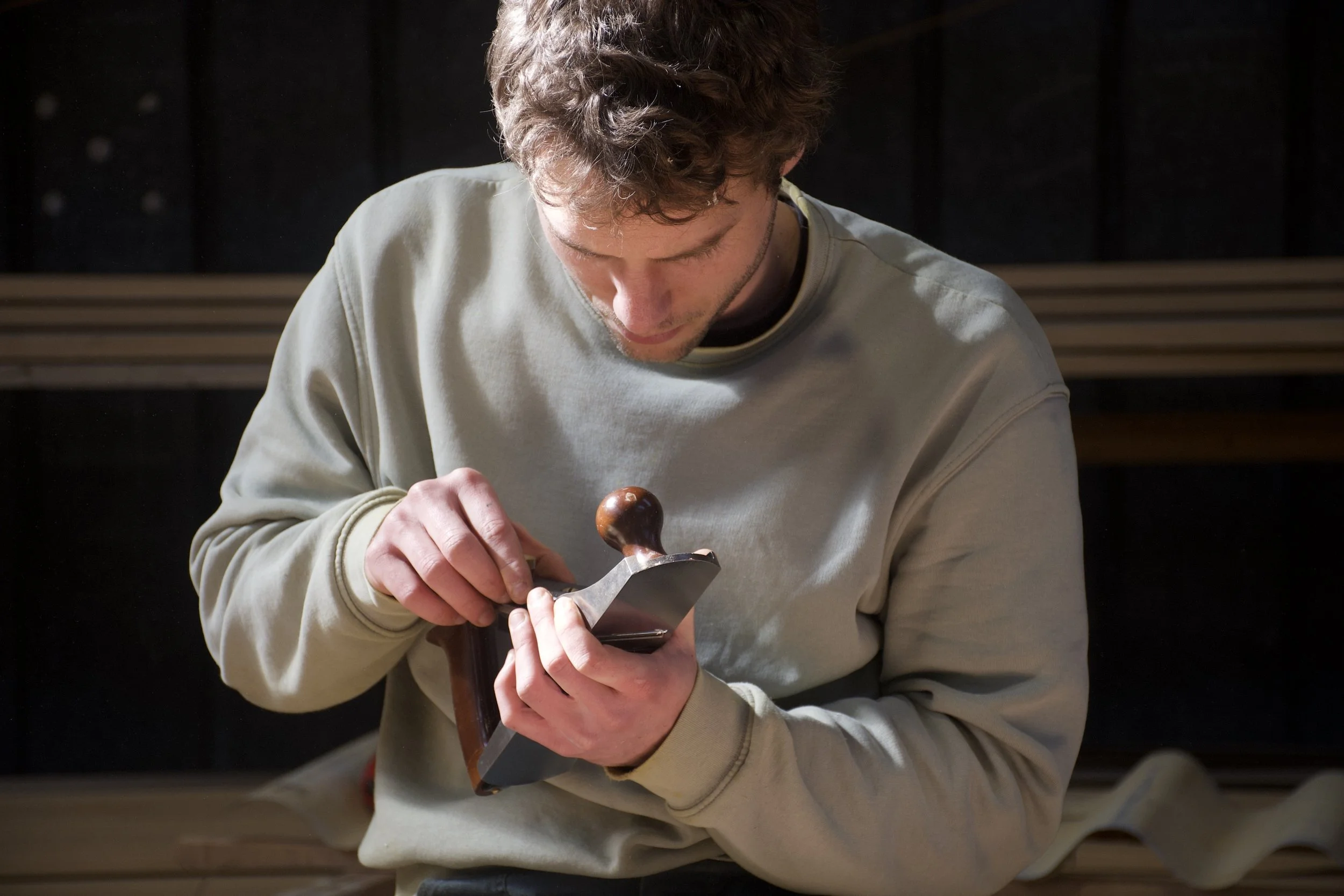
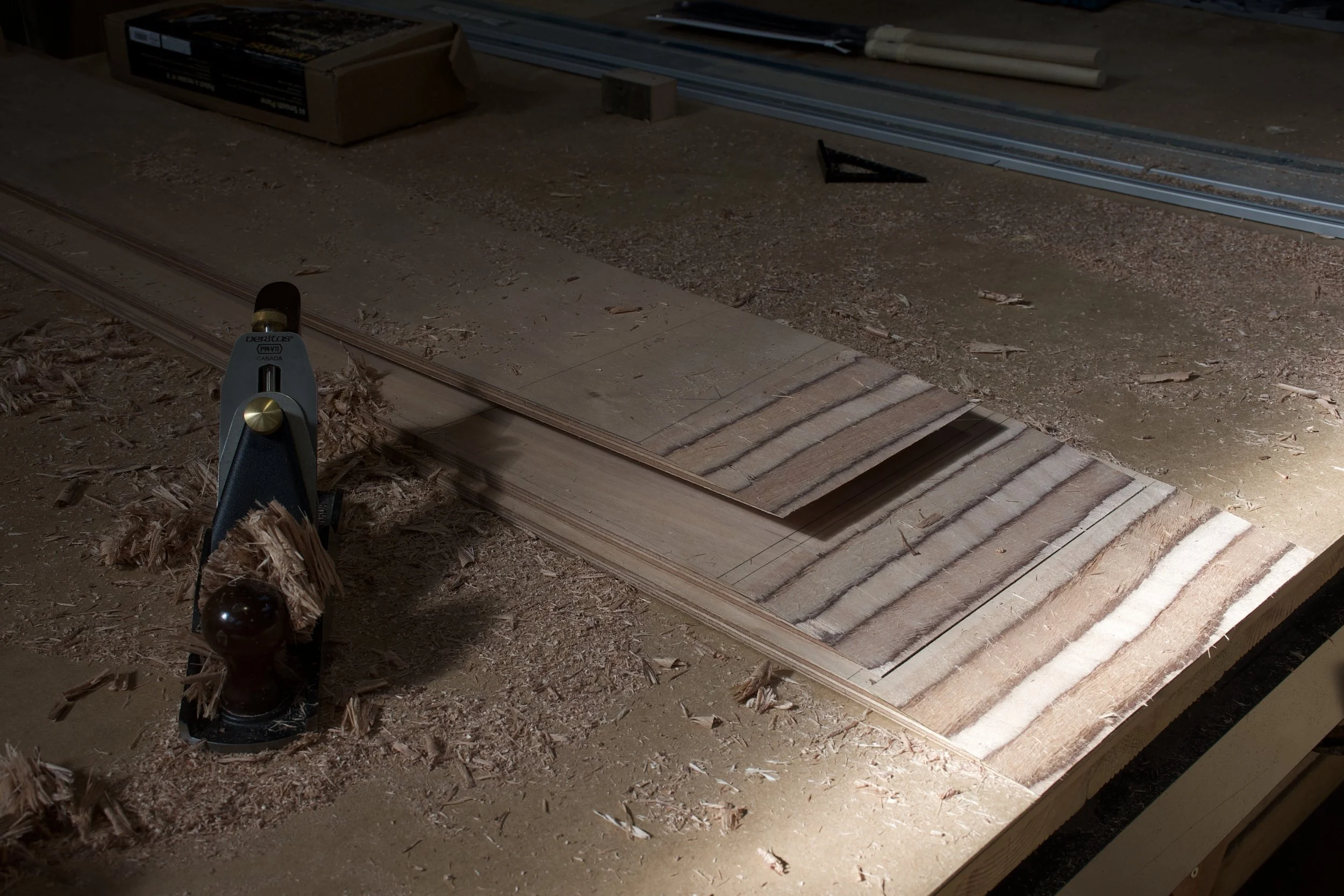
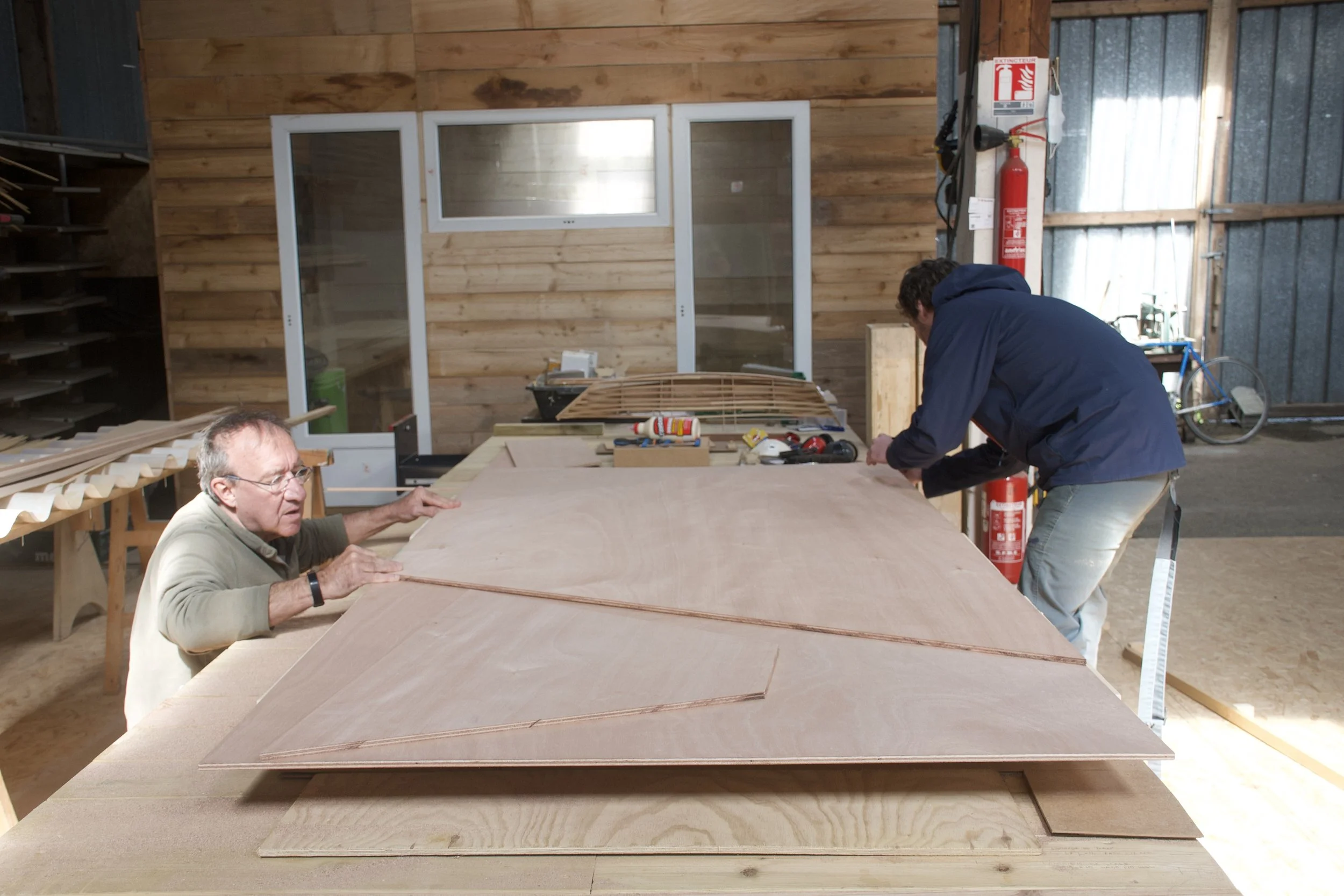
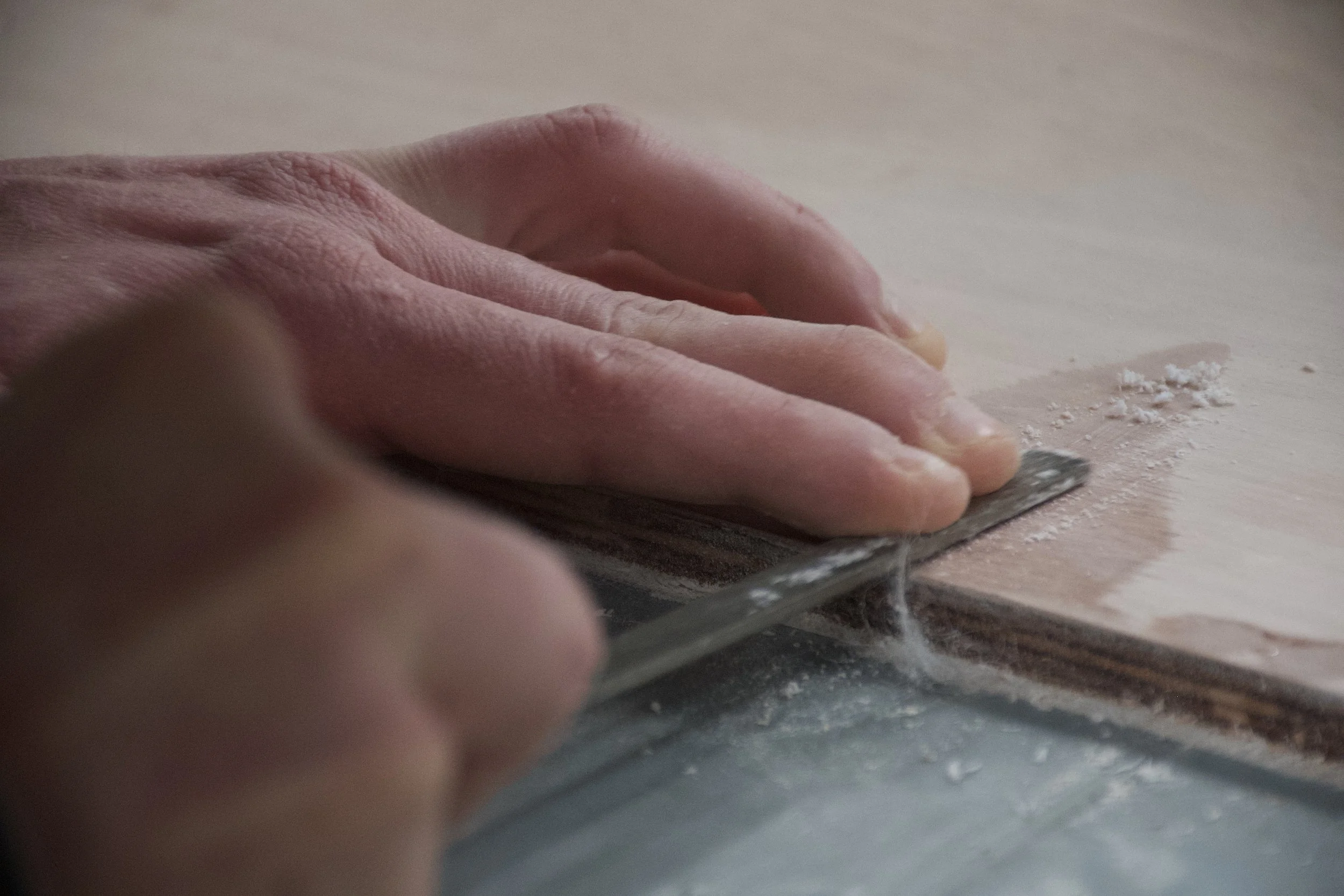
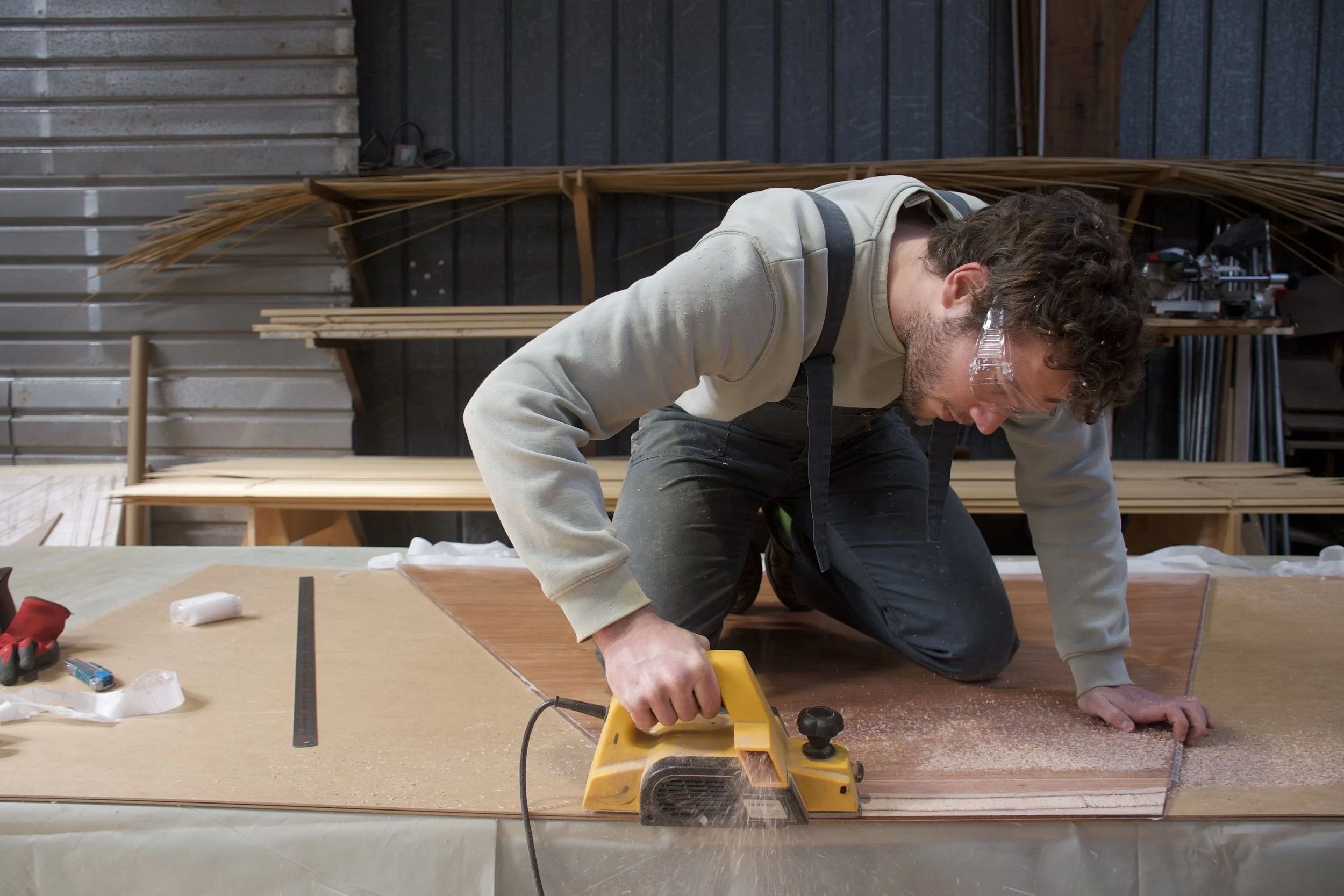
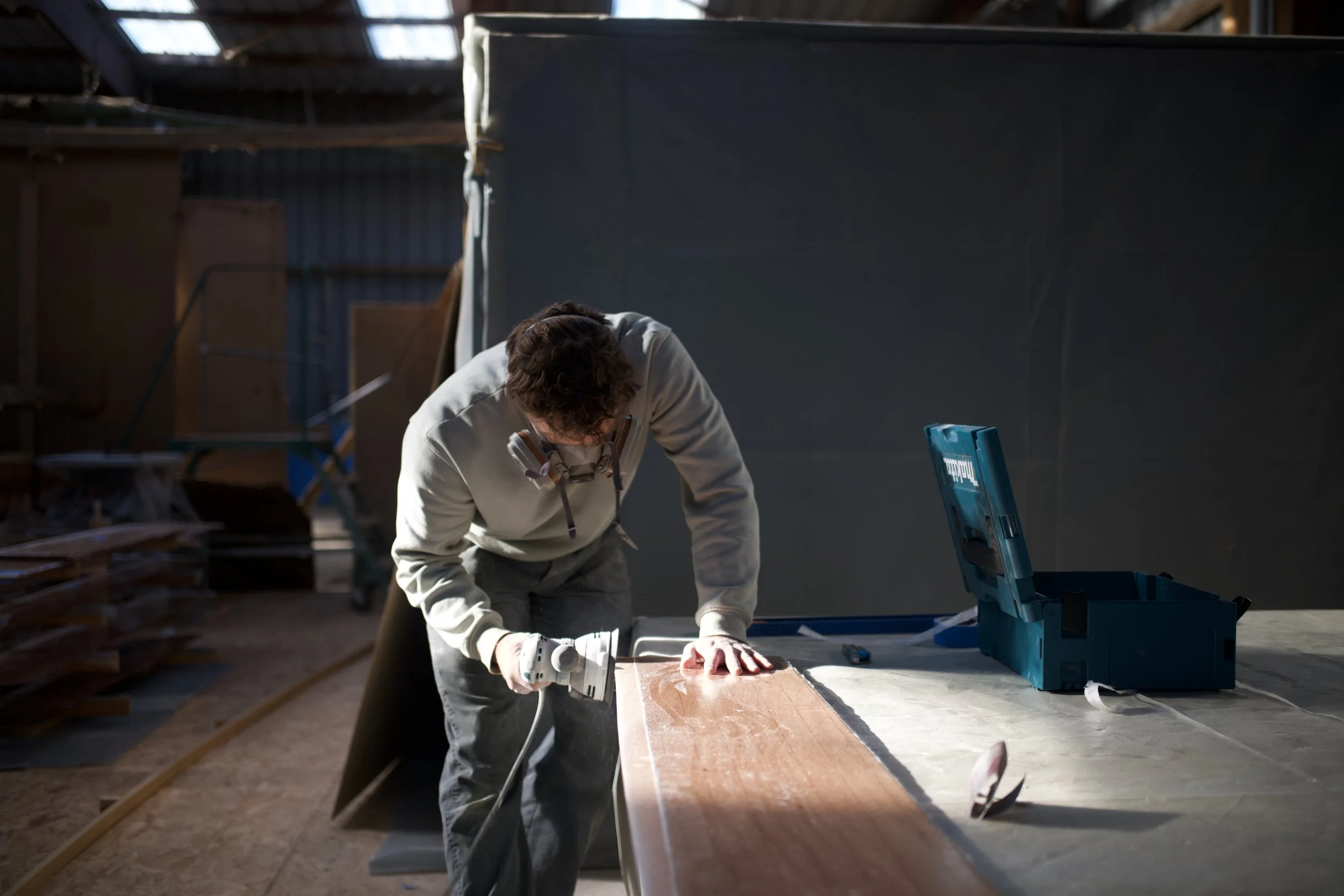
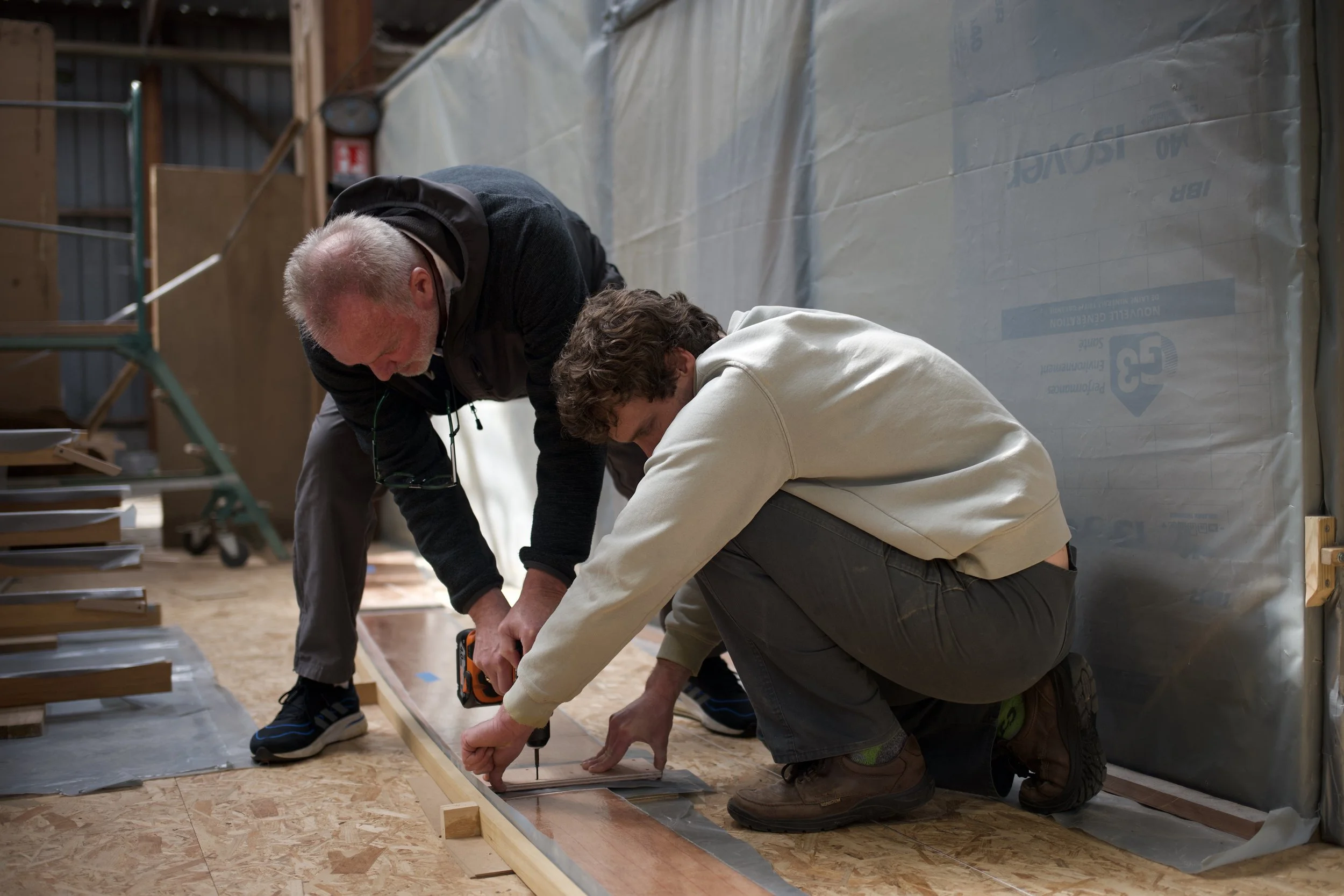
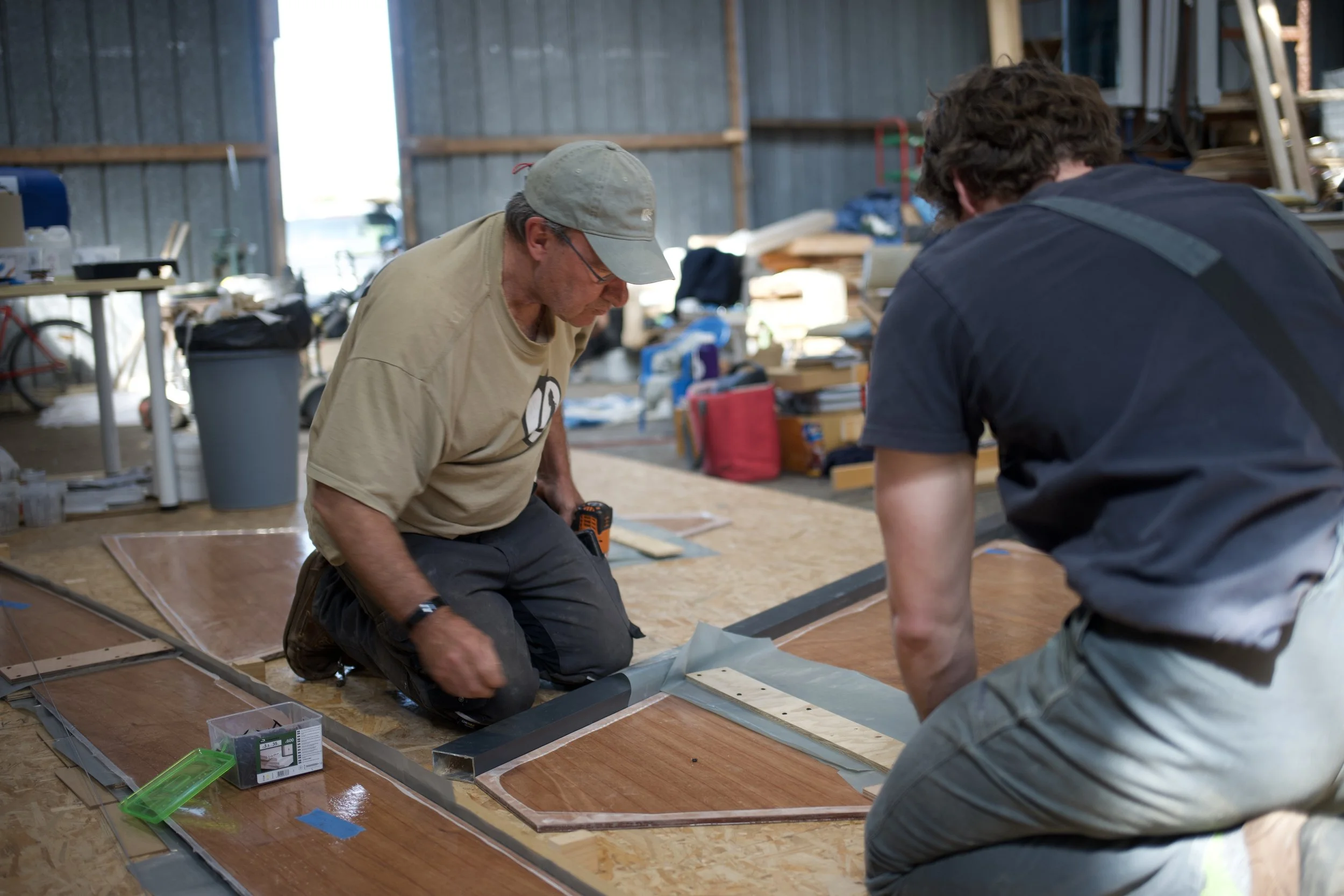
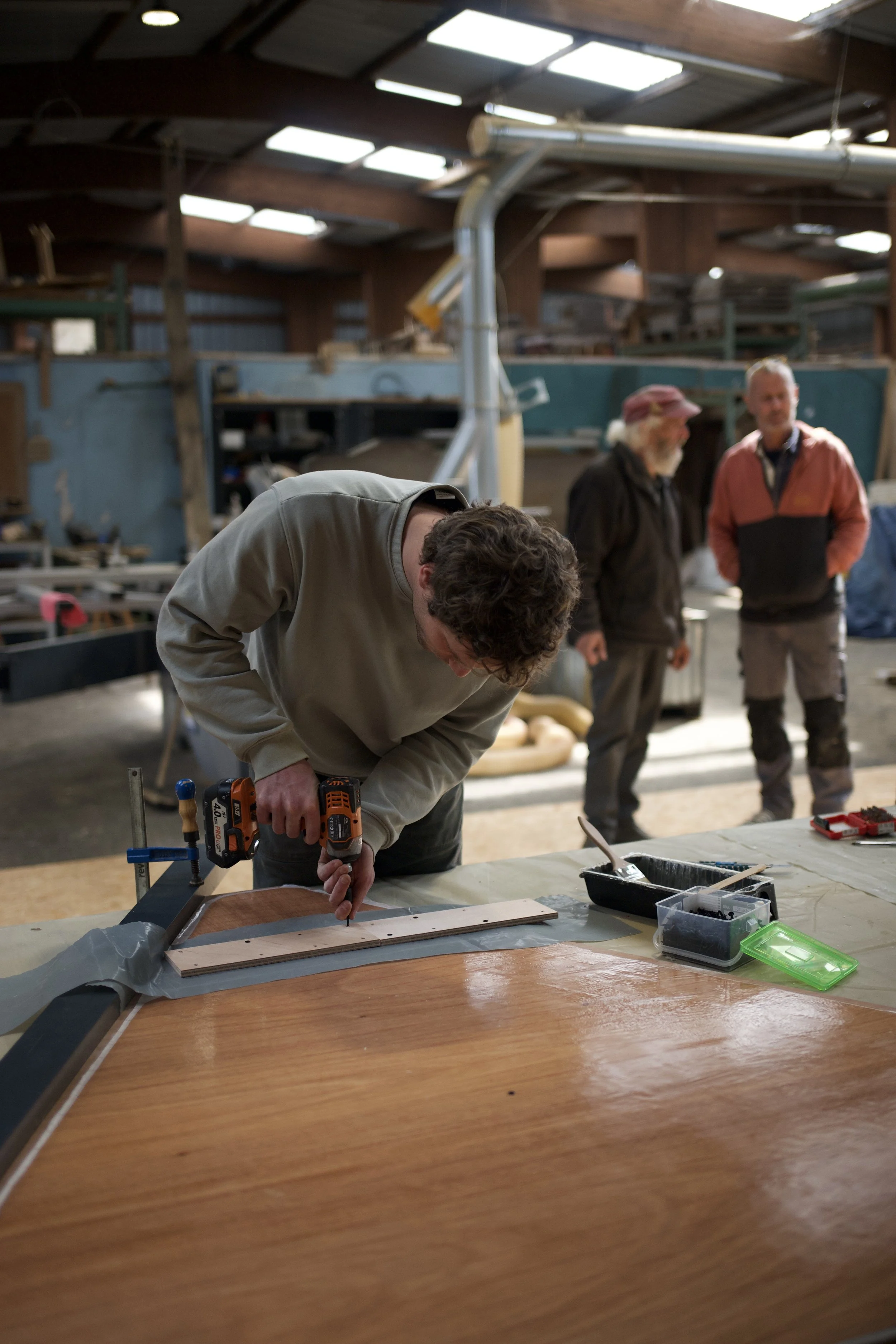
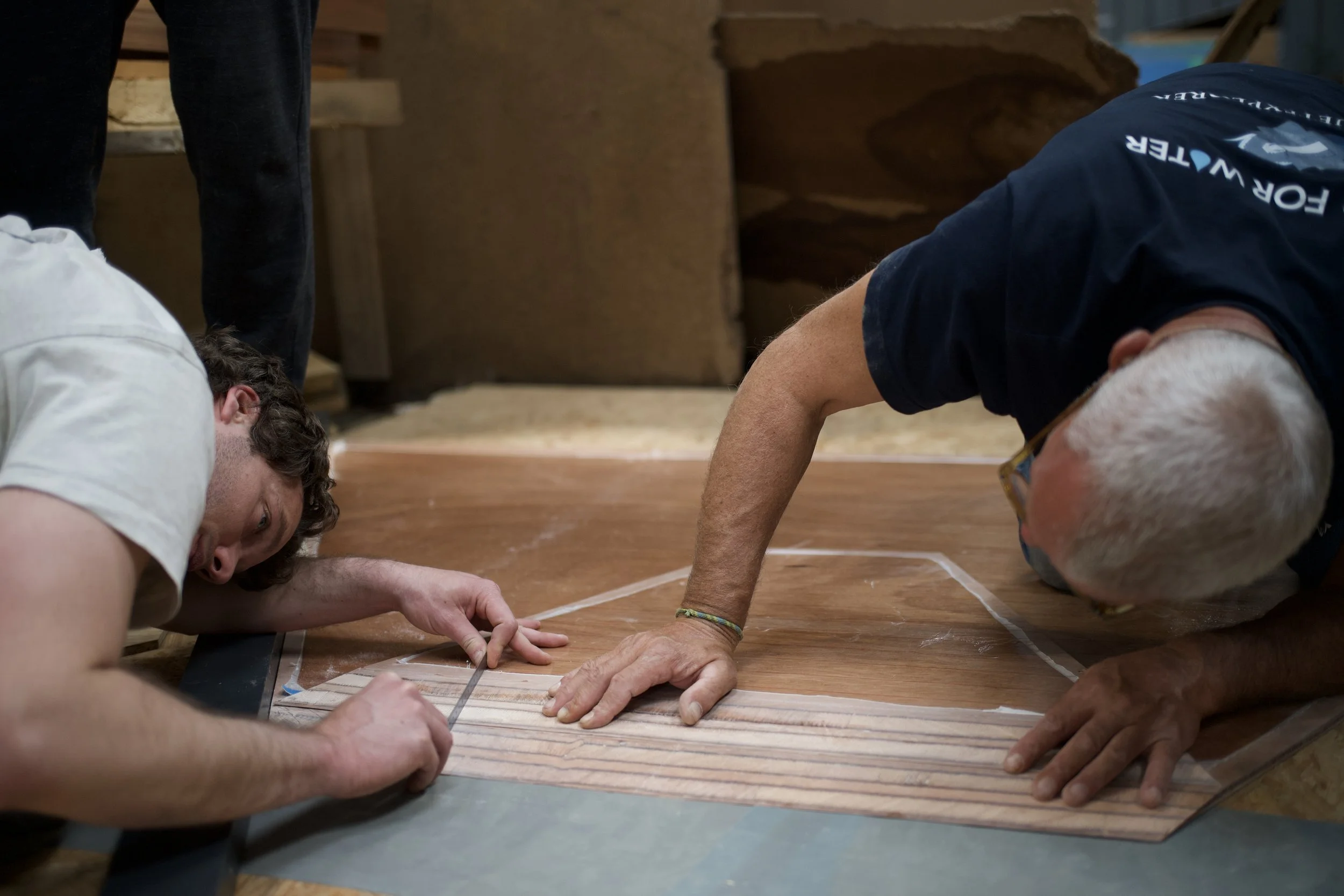
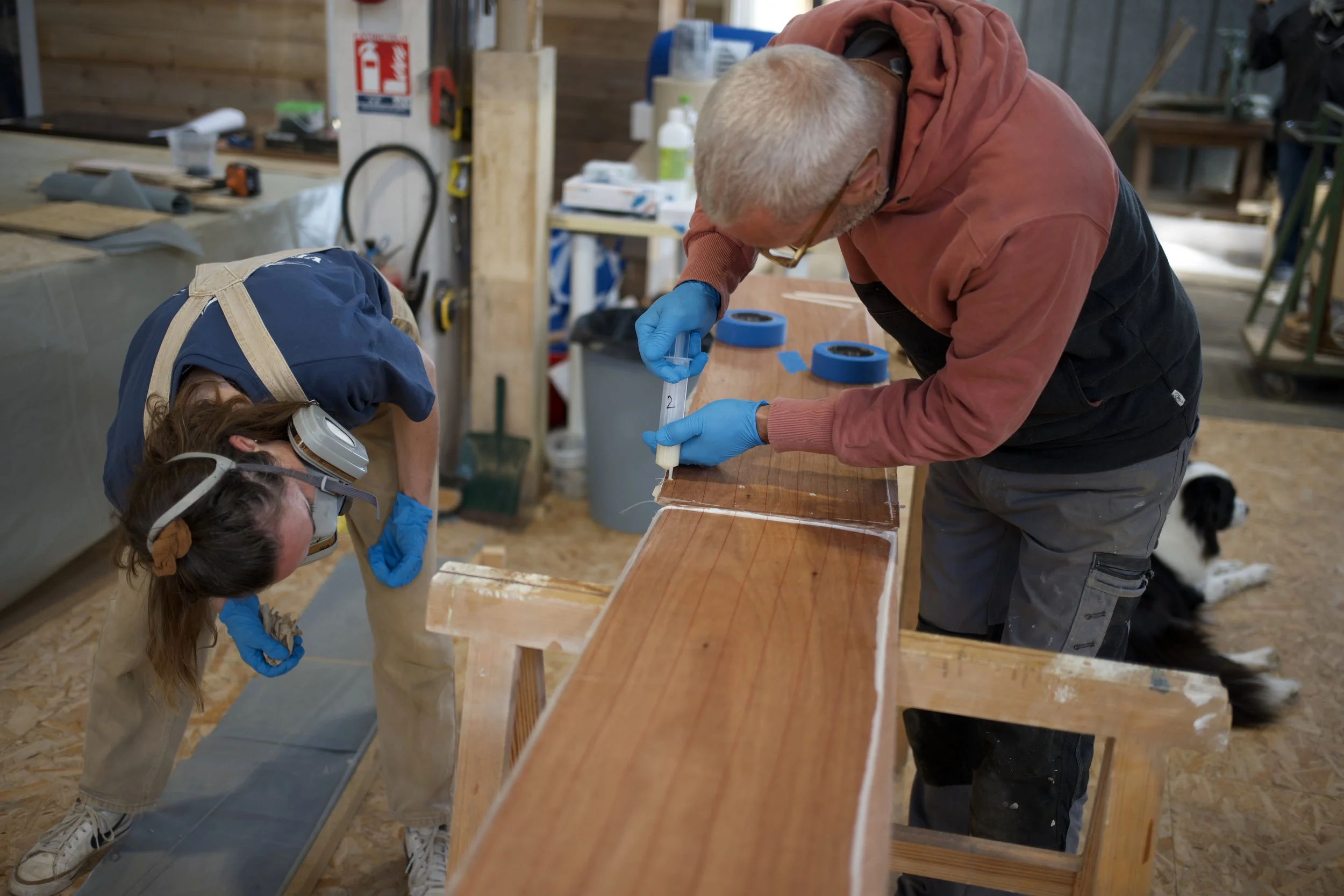
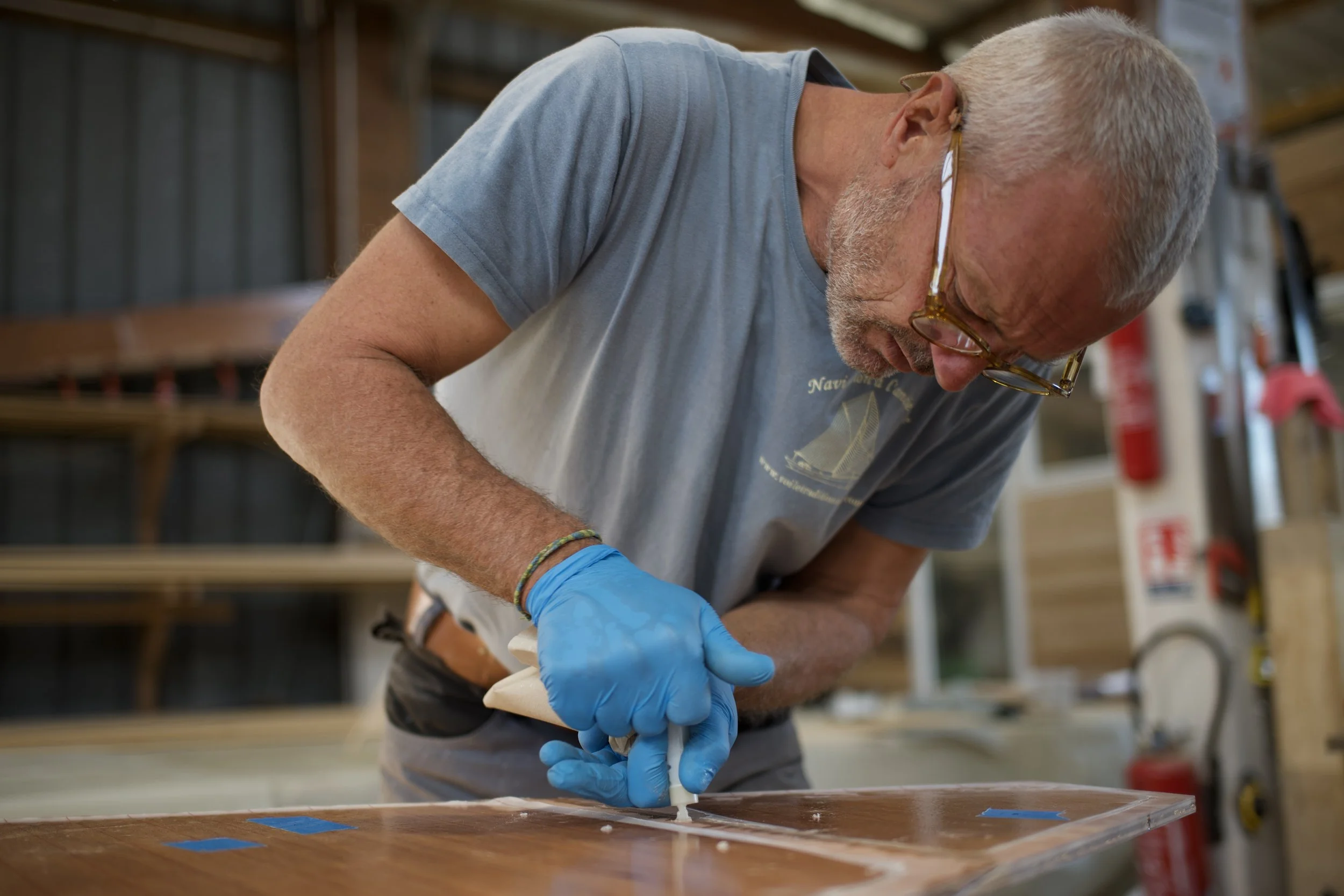
We decided to scarf the joins of the backbone and bulkheads, not a requirement for Wharram catamarans as scarfing is a professional technique. Not only have we had professional talent available with some of our volunteers able take on some of the scarfing work , but Remy was able to learn the skill quite easily. Though this method takes more time, scarf joints create a stronger, lighter, and smoother connection by spreading loads evenly and maintaining the flexibility of the plywood. We also coated the scarf joins with a thin layer of epoxy and peel ply to protect the plywood from humidity before removing the peel ply and giving a very light sand and then finally applying the thickened epoxy glue.