

The Hidden Threat of Fiberglass
Regenerative Tides: Sailing For Solutions
ReTISS

Regenerative Tides: Sailing for Solutions (ReTISS) is a citizen-science initiative exploring how end-of-life boats, especially fibreglass ones, affect coastal habitats and the communities who live beside them. It is an endorsed Action of the UN Decade of Ocean Science for Sustainable Development, within the Global Estuaries Monitoring (GEM) Programme. Our open “Bad Boats” map brings together observations from volunteers of abandoned, derelict and end-of-life boats, and anyone can add to it.
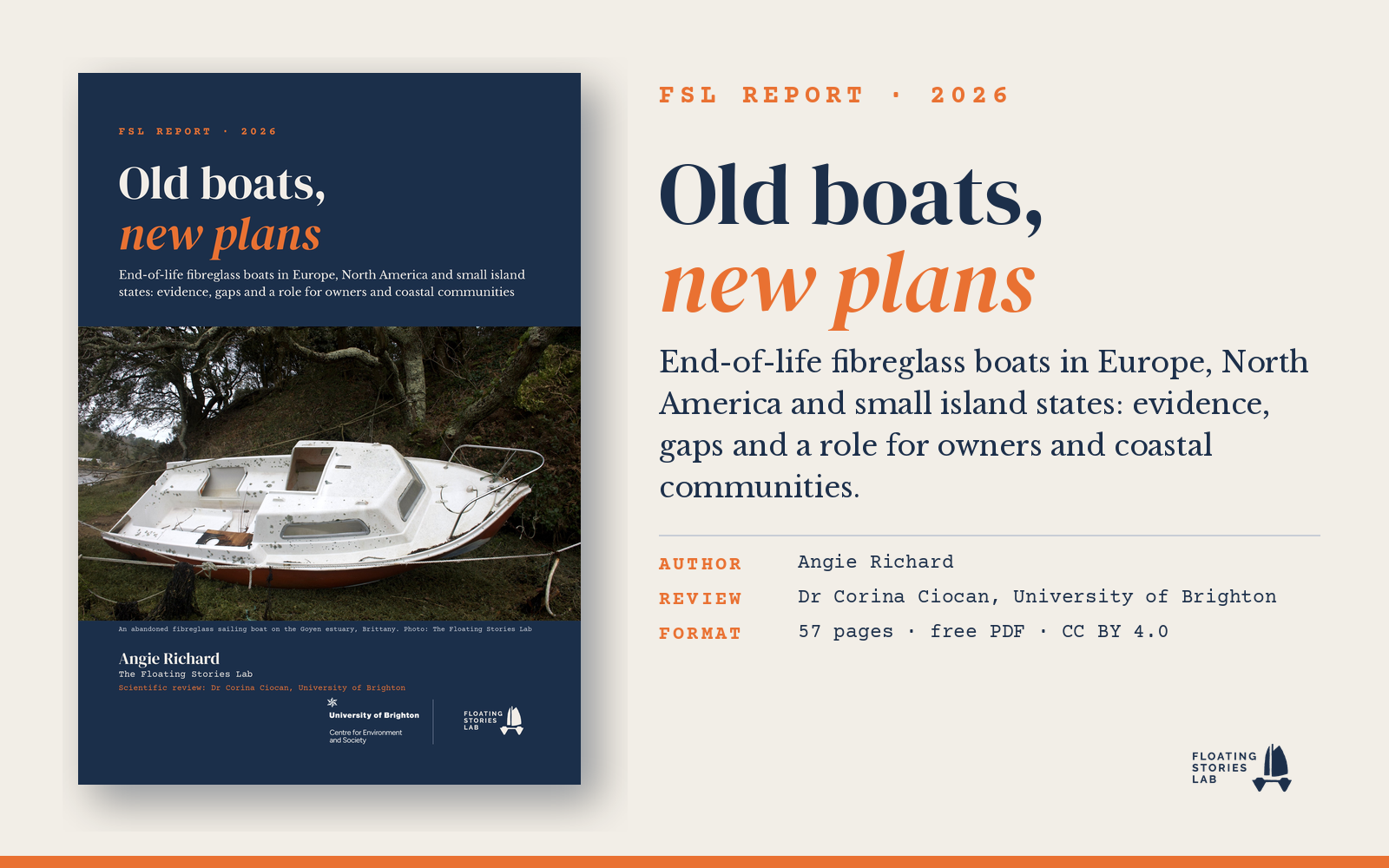
The fibreglass boats built in the boom years of the 1970s to 1990s are reaching the end of their lives, and no country yet has a system that deals with them well. Our new report brings together the latest science, official data and more than a year of citizen science on the Goyen estuary and beyond. It finds that recycling technology is a last resort, not a plan; that in France, even with a producer-pays scheme, almost four new boats were sold for every one dismantled between 2019 and 2024; and that fibreglass fragments are already reaching shellfish. It sets out practical steps for governments, industry, harbours and boat owners, starting with the boats already out there.
The ocean is the final sink for most of the anthropogenic waste. Concern about accumulation of marine debris has increased in the past decades and scientists at the University of Brighton have recently uncovered a new emerging contaminant – FiberGlass reinforced plastic (FRP or GRP). One of the main challenges to dealing with this ever growing waste stream, has been related to the indestructible nature of GRP composites; add the number of fiberglass boats that were produced in large volumes back in the 70’s and 80’s, and now reaching end-of-life, plus the lack of legislation around disposal and recycling. A perfect storm.
'Table of Curiosity' Art x Science Exhibition
The 'Table of Curiosity' is a travelling exhibition built from the body of the Goyen River. This is the site where our citizen science initiative, Regenerative Tides: Sailing for Solutions (ReTISS), has mapped abandoned fibreglass (GRP) boats and their slow decay into coastal waters — the table reproduces that geography at a scale visitors can stand around and touch.
This creative output is an interdisciplinary collaboration between FSL, the University of Brighton, and creative practitioners from FSL's Citizen Science Creative Residency in Finistère, Brittany. The collective behind the 'Table of Curiosity' comprises Marta Musso, Angela Wicki, Letty Bidivanu, Maud Plantec, Marjolaine Abaléa, Dr. Nicholas Gant, Tanya Dean, Dr. Corina Ciocan, and Angie Richard — spanning illustration, photography, textile art, biopolymer objects, marine biology, and citizen science coordination.
Scientific & Academic Advisors
-

DR. CORINA CIOCAN
University of Brighton
Marine biologist and Senior Lecturer in functional ecotoxicology with over two decades of experience researching the biological responses of marine organisms to environmental stressors. Her work focuses on microplastics, fiberglass, emerging contaminants, and biomarkers of pollution in marine invertebrates. Dr. Ciocan brings extensive experience in community engagement, coastal sampling, and field-based teaching, and contributes international expertise in monitoring marine pollution at molecular and ecological scales.
-

Dr. Toby Wren
SAE University Australia
Senior Lecturer in music, media, and cultural studies with extensive experience in interdisciplinary creative production, community collaboration, and practice-led research. Dr. Wren brings expertise in supervising undergraduate creative outputs and supporting digital storytelling initiatives. For ReTISS, he facilitates access to student collaborators and advises on the design of public-facing exhibitions that translate scientific findings through media and the arts.

-
The use of Glass Reinforced Plastic (GRP) in seafaring craft began in the early 20th century and surged in popularity during the 1960s. According to Rubino et al. (2020), nearly 80% of ship hulls under 20 meters in length are now made of GRP. In the UK alone, the number of recreational boats owned by households was estimated at 1.2 million in 2019 (Statista.com), although the Royal Yachting Association (RYA) estimates the figure is closer to 5 million when including kayaks and paddleboards. The revenue from building sporting and pleasure boats in the UK is projected at 4.8 billion USD (Statista.com).
While GRP's popularity has grown across industries, composite waste management remains a global challenge. Landfill remains the most cost-effective disposal method for composite waste, with efforts to use bio-derived products or recycle GRP hindered by high costs and the lack of established standards (IMO Report, 2019).
A 2019 report for the International Maritime Organization (IMO) estimated that six million fiberglass boats exist in the European Union. Of these, over 100,000 GRP boats reach the end of their useful life annually, with only 2,000 recycled and 6,000–9,000 abandoned (IMO Report, 2019). This leaves approximately 90,000 to 100,000 boats unaccounted for each year, likely abandoned and leaching harmful chemicals into the environment.
The disposal crisis is particularly acute for island nations, where landfill space is scarce (Mohee et al., 2015). Efforts are underway to explore solutions such as pyrolysis, chemical breakdown, and mechanical disintegration, as well as to prevent at-sea disposal (scuttling) and onshore burning (Lemieux et al., 2004). Abandoned vessels pose significant risks to sensitive habitats such as reefs, seagrasses, and estuarine intertidal zones (Lord-Boring et al., 2004), as well as to human health and safety (Turner & Rees, 2016). Additionally, a growing social crisis looms as abandoned boats, particularly in areas with rising housing costs, are being used as temporary shelters by homeless individuals.
-
Scientists from the University of Brighton, University of Portsmouth, and other institutions conducted a groundbreaking study along the south coast of England, examining oysters and mussels near active boatyards. Led by Dr. Corina Ciocan, the team used advanced techniques to detect significant amounts of fiberglass particles in the tissues of these filter-feeding shellfish. They found up to 11,220 particles per kilogram of wet tissue in oysters and 2,740 particles per kilogram in mussels, highlighting the alarming extent of contamination.
Seasonal Spikes and Accumulation
The study revealed that contamination levels spiked during winter, coinciding with heightened boat maintenance activities such as sanding and cutting of GRP boats, identified as major sources of fiberglass pollution. The particles were found primarily in the digestive glands of oysters and mussels, which are essential for processing nutrients.Impact on Marine Life
Fiberglass ingestion poses a severe risk to marine bivalves like oysters and mussels. As filter feeders, they accumulate these particles, impairing their feeding, growth, and reproduction. Laboratory studies confirm that prolonged exposure can harm their health, reduce populations, and disrupt marine ecosystems. -
Dr. Corina Ciocan, a Marine Biologist Professor at the University of Brighton, leads groundbreaking research into one of the coastal environment's most pressing challenges: the legacy fleet of GRP boats. These aging vessels, often abandoned and deteriorating, release microplastics, fiberglass, antifouling chemicals, and other harmful substances into the environment (Ciocan et al., 2020).
Corina’s team is using innovative technologies to provide a comprehensive macroscale analysis of the “abandoned fleet” along the South Coast of England and its environmental impacts. The researchers aim to deliver a deeper understanding of the fate and effects of end-of-life GRP boats, laying the groundwork for new legislation to minimize their environmental and economic impacts.
To address potential conflicts between legislative goals and socio-economic realities, the team collaborates with local and international partners. This integrated approach not only advances sustainability in the boatbuilding industry but also sets a benchmark for addressing critical environmental challenges in the 21st century.
Bridging the gap between science and policy: end-of-life boats
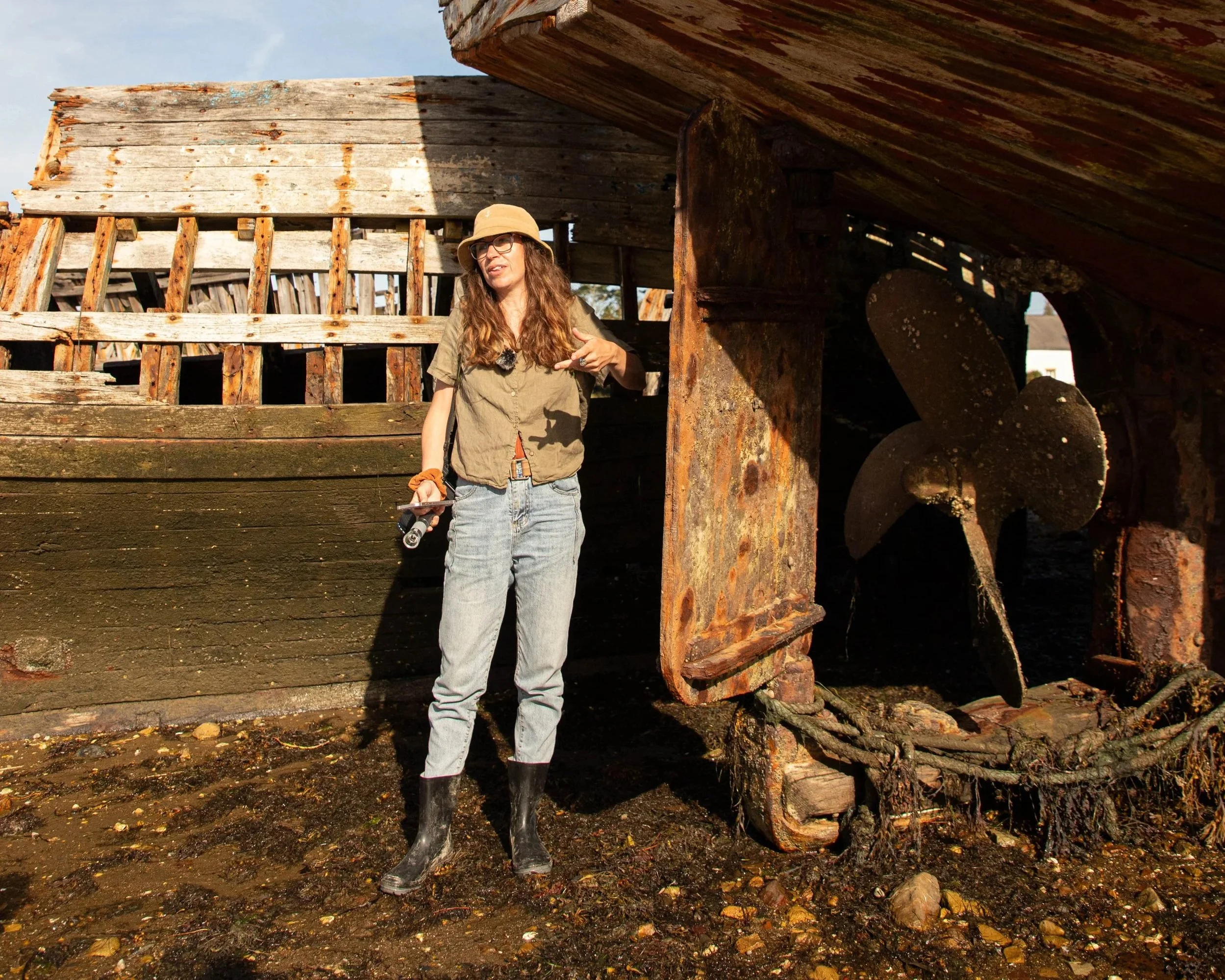

Angie Richard leads community groups in end-of-life GRP boat data mapping in France.


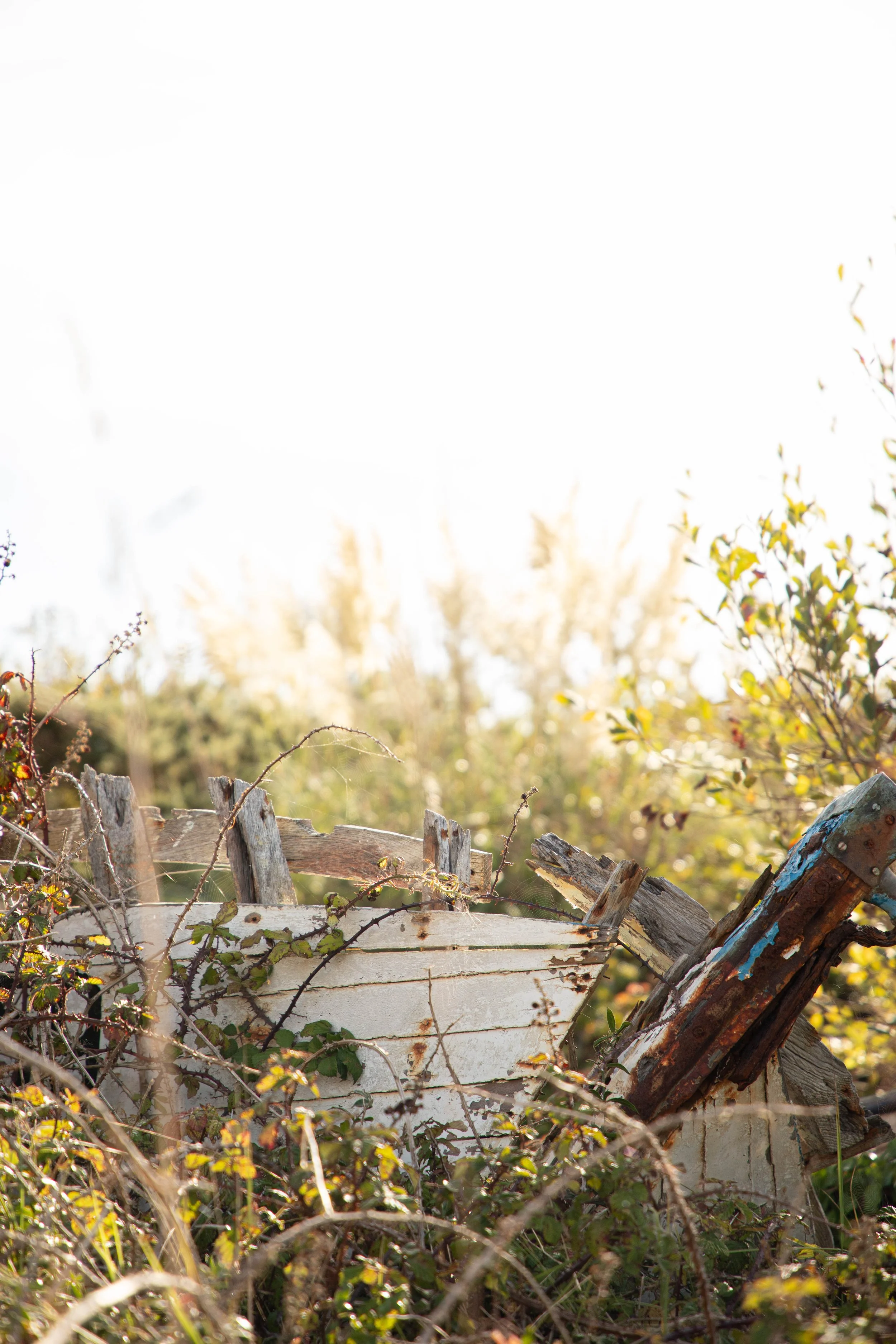
GRP wreck abandoned on boatramp in Audierne/Plouhinec adjacent the Goyen River and residential housing.

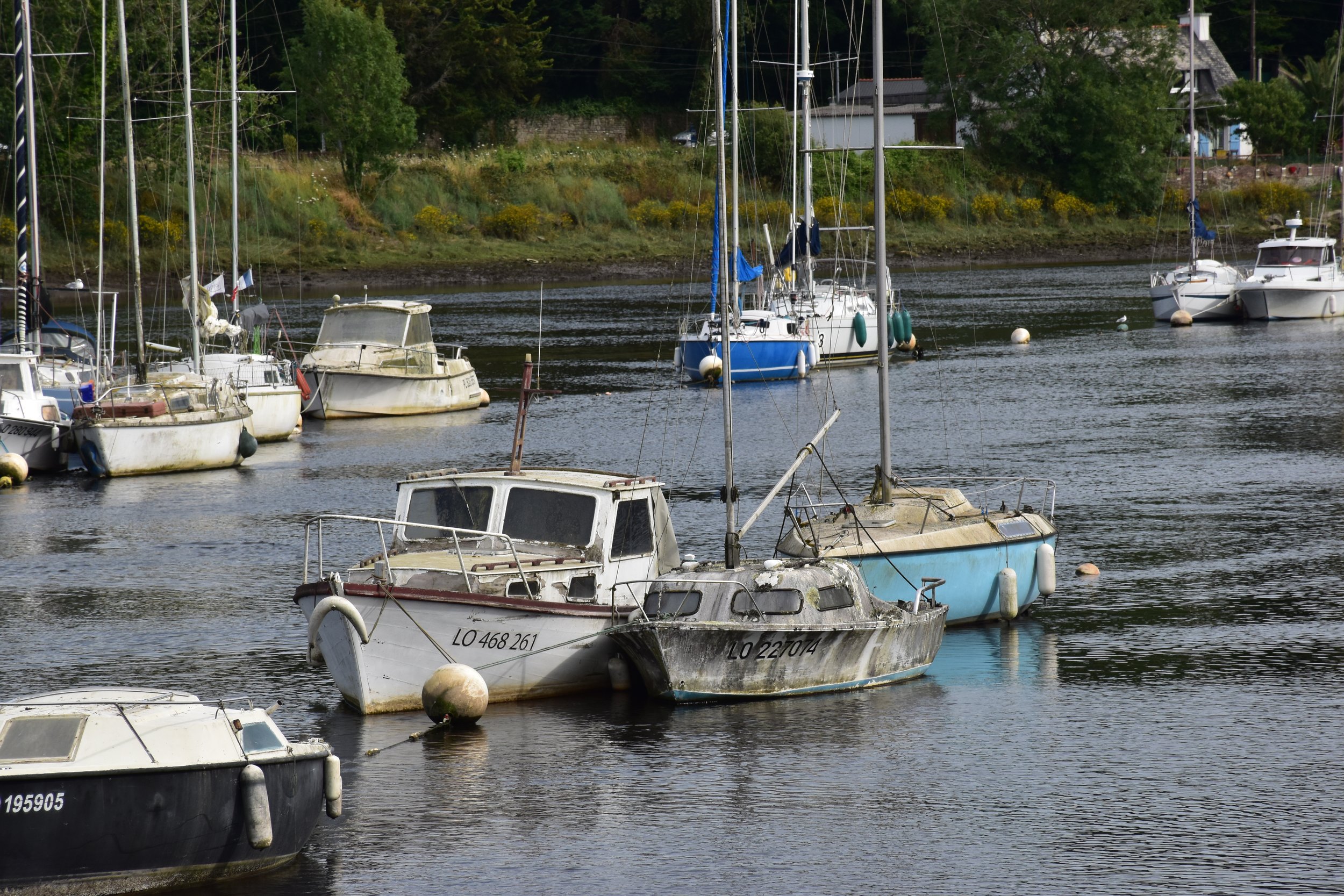
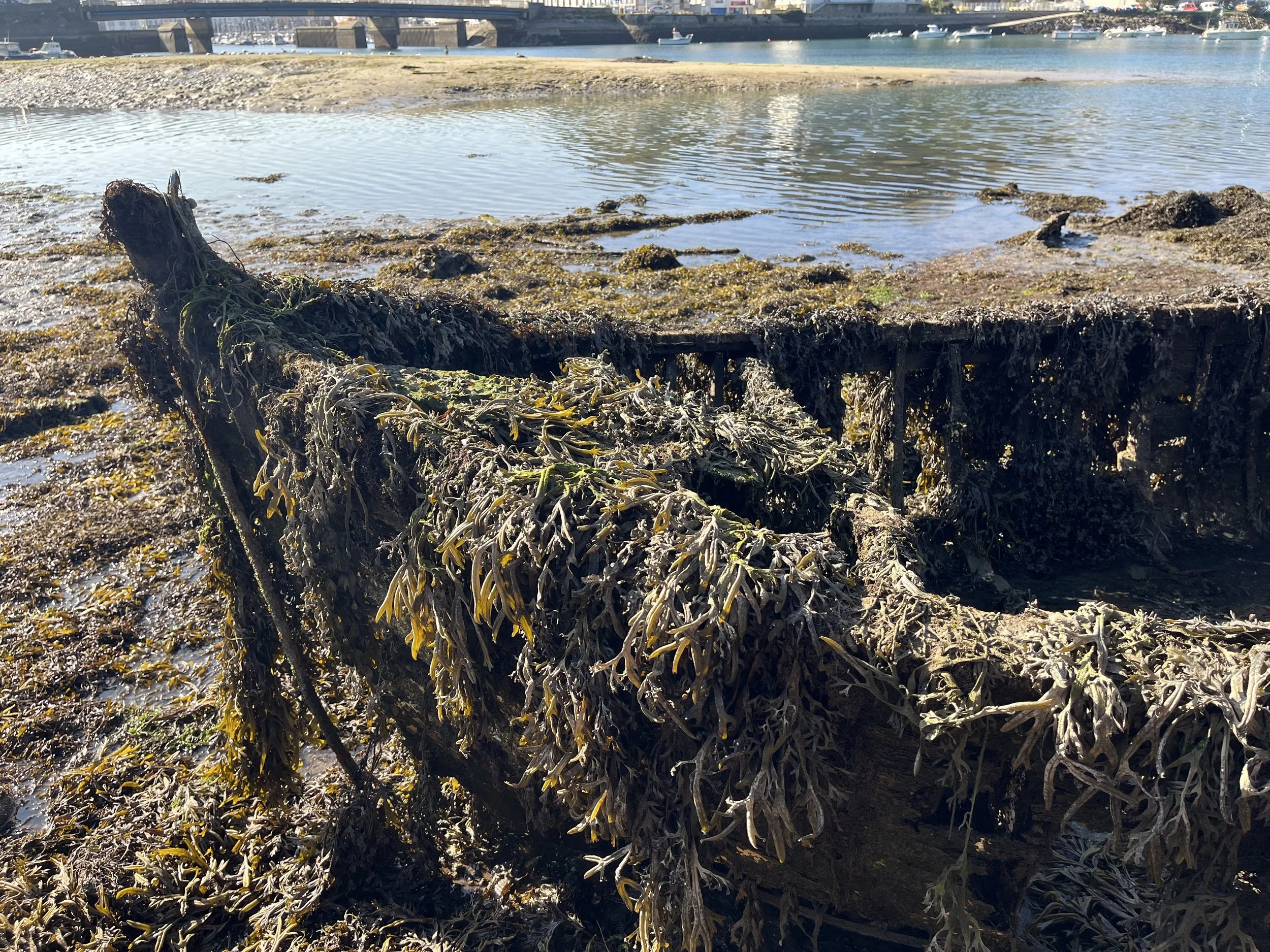
Many end-of-life boats remain on anchor due to the complexities and expenses of disposal.

Boat wreck in Audierne next to beach and residential housing with large sites of exposed fiberglass. This boat was left like this for several weeks before finally being removed.

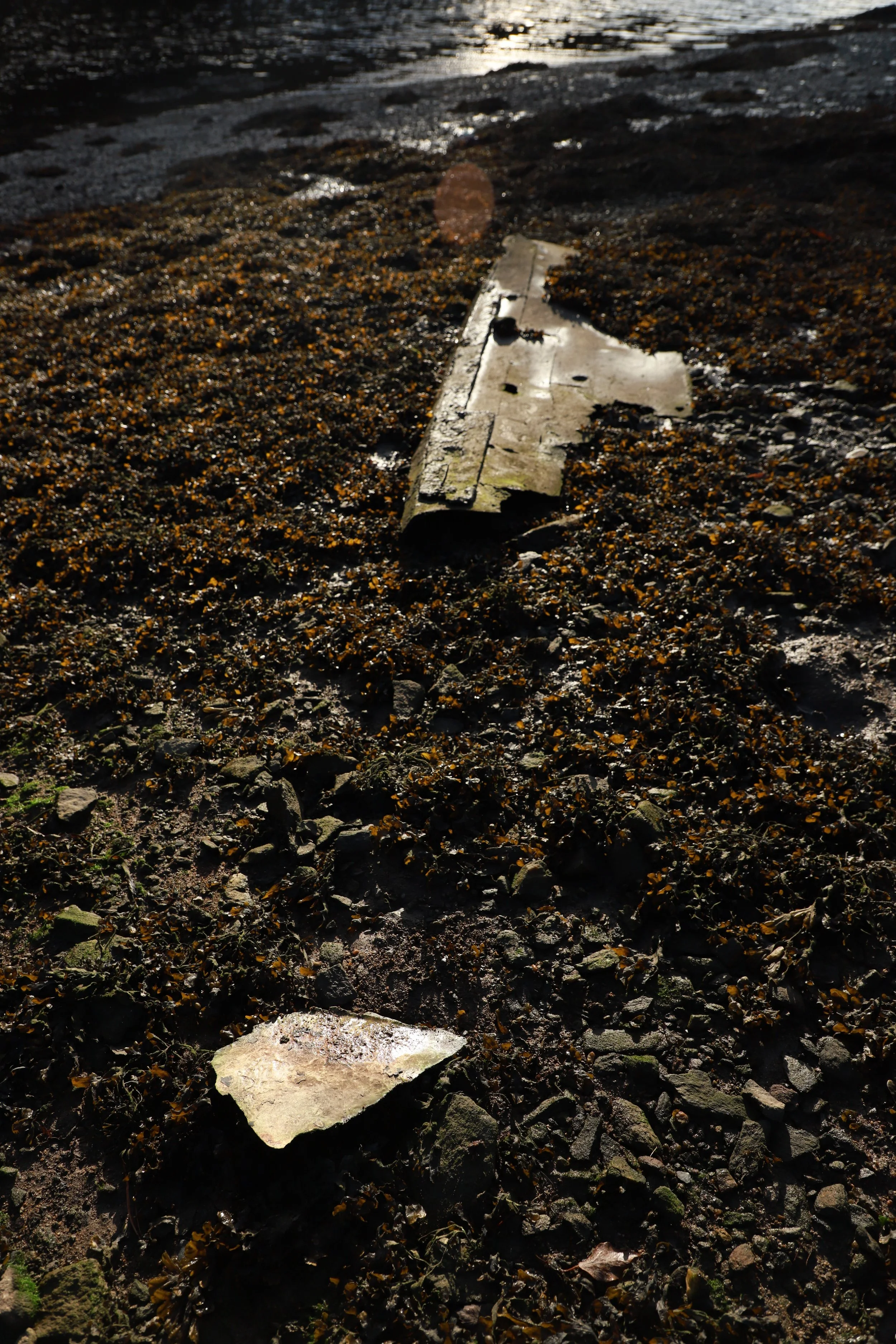
Submerged boats are a significant problem, and are also very costly and challenging to remove.

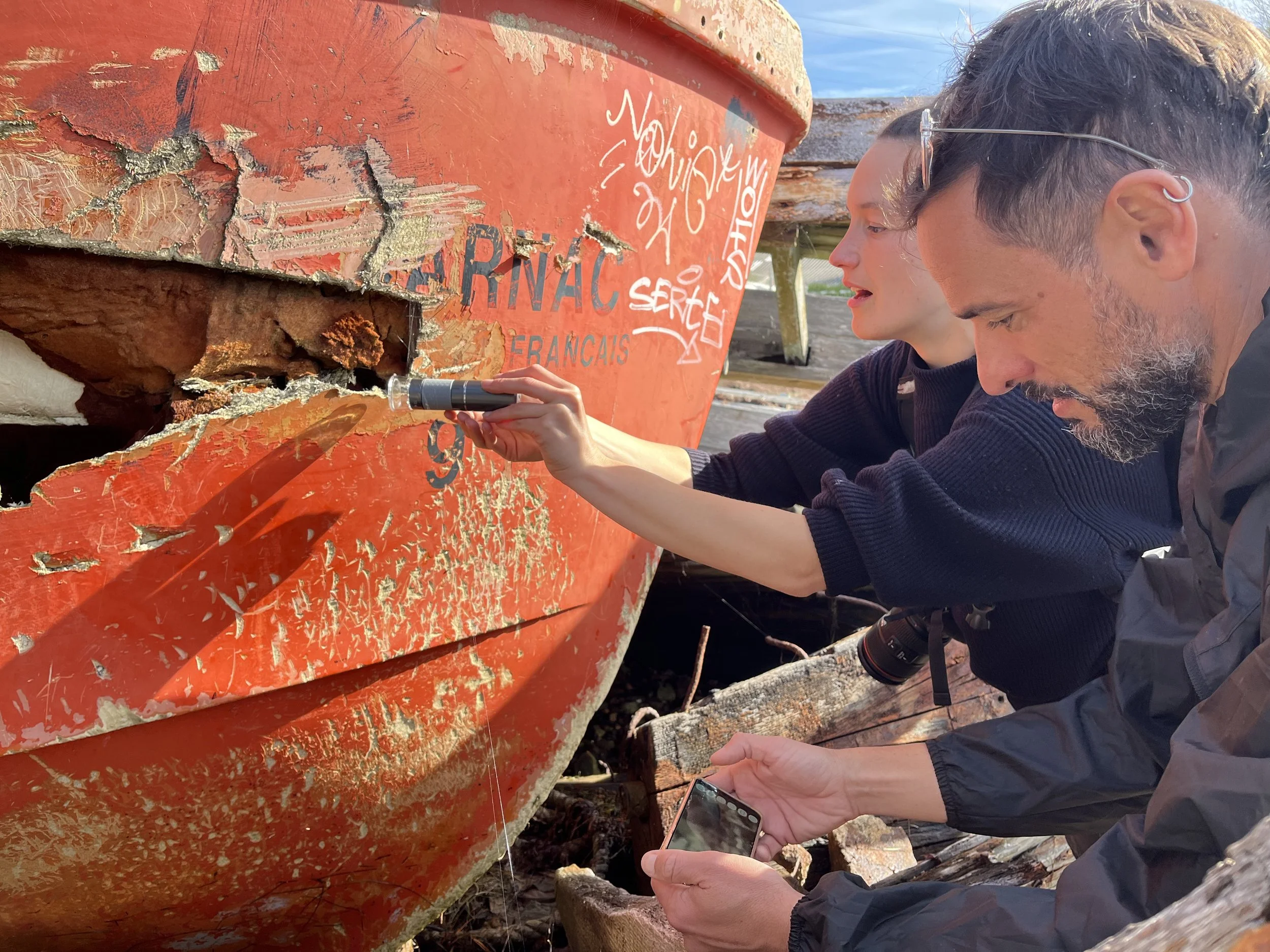
Microscope photos reveal cracked fiberglass exposed to environment

Fiberglass layers ready to break free

Crack in boat leaves exposed fiberglass to enter surrounding environment

Dr. Corina Ciocan demonstrating her research method.

Water flea under the microscope surrounded by fiberglass shards and resin particles in samples collected by University of Brighton team.
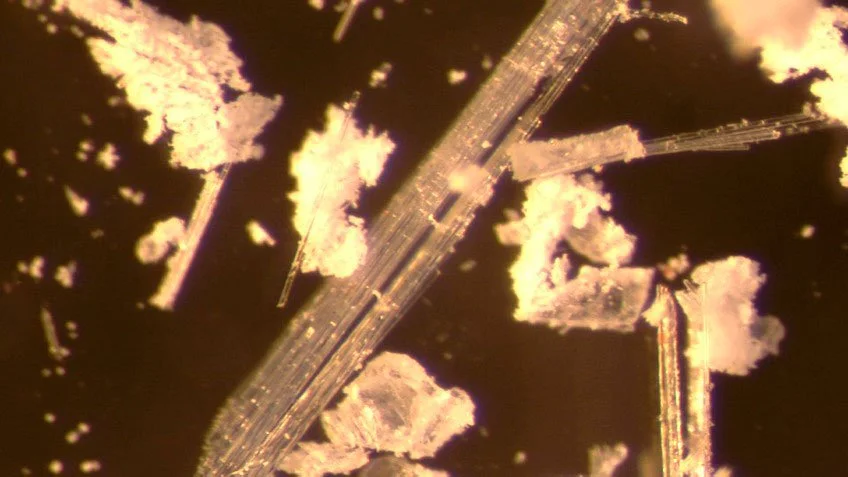
Resin and fiberglass particles in samples collected at Chichester Harbor by UoB team.
Latest Citizen Science News


Publications
Research Papers & Reports
Regenerative Tides: Sailing for Solutions (ReTISS) : Impact assessment report, IMPETUS Citizen Science Initiative, June 2025 – January 2026
AquaDocs, Angie Richard, The Floating Stories Lab.
Abandoned and end-of-life glass-reinforced plastic (GRP, or fiberglass) boats are an under-recognised source of marine pollution. As hulls degrade, they release microfiberglass particles into coastal waters, where they can enter food webs through filter-feeding shellfish, with potential consequences for biodiversity, coastal livelihoods and human health. Although evidence of fiberglass ingestion by marine bivalves is growing, little publicly accessible, site-specific data exists on where derelict vessels are located and in what condition, a gap often cited as a barrier to policy action. This report assesses the scientific, social, environmental and political impacts of Regenerative Tides: Sailing for Solutions (ReTISS), a pilot citizen science initiative delivered during the IMPETUS Accelerator (June 2025 – January 2026) in Brittany (France) and the UK, with observations also contributed from Portugal. Using a structured protocol on the ArcGIS Survey123 and StoryMaps platforms, 32 citizen scientists contributed 77 georeferenced, photo-documented observations of abandoned vessels, published as an open, interactive map. In a school-based programme, students and teachers examined oyster and mussel gill tissue from the Goyen River estuary under the microscope for microplastic and fiberglass fragments, with input from a University of Brighton scientific advisor. The pilot was exploratory and not designed to be statistically representative, but it demonstrates that citizen-generated data can inform future research, monitoring and marine waste policy discussions. Five stakeholder events reached at least 370 participants. The report also maps contributions to Sustainable Development Goals 14, 4 and 5 and closes with practical recommendations for replicating community-led monitoring of end-of-life boats.
Sustainability considerations for end-of-life fibre-reinforced plastic boats
Regional Studies in Marine Science, Vol. 85, 2025, Ruadan Geraghty, Jasper Graham-Jones, Richard Pemberton, John Summerscales, Simon Bray
In the 1950s, glass fibre-reinforced polyester resin (GRP, also known as fibreglass or glassfibre) composites replaced wood and metal as the material for small recreational and work boats. The changes resulted from relative ease of manufacture, durability, and low maintenance. New fibres and resins then became available to create a wider range of Fibre-Reinforced Plastics (FRP). Vessels remain serviceable beyond design life: 10 years for inflatables, 20 years for motorboats and 30 years plus for sailboats. Many vessels have now reached end-of-life (EoL) and become Abandoned or Derelict Vessels (ADV). Given that thermosetting resin is not easy to recycle, these boats exist as slowly rotting hulks. There is a growing cohort of stakeholders from various backgrounds becoming concerned about this issue. This review defines sustainability as the balance of Technical, Economic, Environmental Social and Governance (TEESG) and discusses the TEESG considerations for this waste stream.
Release of a “forever material” from end-of-life boats and glass-reinforced composite boats is pervasive and entering food chains
Science Behind the News, 25 September 2024, Corina Ciocan, Kethan Jha, Claude Annels, Rachel Kozloski, Ilse Steyl, Simon Bray
Building boats of sufficient strength and durability to withstand the harsh water environment has always been a challenge. Composites, particularly glass-reinforced plastic (GRP), historically provided one of the best low maintenance solutions. Over the past 80 years, GRP boats have become a mainstay of the boating industry while little attention has been given to the consequences of GRP degradation, lack of recycling solutions, and boat abandonment. This paper highlights the widespread glass fiber pollution and alarming levels of glass microparticles entering aquatic food chains. Prospective legal and policy measures are, therefore, required to manage risks to human and marine life…
Glass reinforced plastic (GRP) boats and the impact on coastal environment – Evidence of fibreglass ingestion by marine bivalves from natural populations
Journal of Hazardous Materials, July 5 2024, Corina Ciocan, Claude Annels, Megan Fitzpatrick, Fay Couceiro, Ilse Steyl, Simon Bray
Classified as marine debris, man made materials are polluting the world’s oceans. Recently, glass reinforced plastic (GRP) has been shown to degrade and contaminate the coasts. In this pioneering study, fibreglass particles have been detected in the soft parts of oysters and mussels collected from natural populations, in front of an active boatyard. The presence of particulate glass, with concentrations up to 11,220 particles/kg ww in Ostrea edulis and 2740 particles/kg ww in Mytilus edulis, was confirmed by micro Raman spectroscopy. The results showed higher accumulation during the winter months, when boat maintenance activities are peaking and, through repair work, the release of glass fibres in the environment is more likely. Bivalves are considered high risk species due to their sessile nature and extensive filter feeding behaviour. The microparticle inclusion may contribute to adverse impacts on physiological processes and eventually to a decline in the overall health and subsequent death of the animal. The high costs involved in the proper GRP disposal and the lack of recycling facilities worldwide lead to boat abandonement and further contamination of the coasts. For the first time this study presents the extensive fibreglass contamination of natural bivalve populations, in a popular South England sailing harbour, designated a biological and geological site of specific scientific interest (SSRI)…
Media
Résine, fibres de verre... Les épaves polluent la mer et les animaux marins
Reporterre Magazine, 27 May, 2026, Chloe Richard
Perçus comme un patrimoine à valoriser pour le tourisme, les cimetières de bateaux ont un fort coût environnemental. Au fil du temps, des résidus se détachent des coques, polluant l’eau et les animaux.
Audierne. Les épaves de bateaux polluent l’estuaire du Goyen
Ouest France, 30 April, 2026
De nombreuses épaves de bateaux, plus ou moins anciennes, jonchent l’estuaire du Goyen. Ces embarcations abandonnées se dégradent lentement, libérant des microparticules de fibre de verre, de peinture et de résine dans l’eau, les sédiments et les écosystèmes.
À Audierne, l’association Floating Stories Lab organise un évènement dédié aux bateaux en décomposition
Le Telegramme, 15 April 2026
L’association Floating Stories Lab, basée à Plouhinec (29), et qui porte l’objectif de construire un catamaran en bois à Plozévet, co-anime un atelier citoyen, intitulé « L’impact environnemental des bateaux en décomposition ». Celui-ci aura lieu à Audierne, salle de l’Inscription maritime, lundi 27 avril 2026, de 17 h 30 à 20 h 15, en partenariat avec la Communauté de communes du Cap Sizun – Pointe du Raz et l’Université de Brighton (Royaume-Uni).
Dans le Pays bigouden, ils bâtissent un catamaran en bois au service de la protection des océans
Le Telegramme, 24 December, 2025, Guirec Flécher
À Plozévet, Angie et Rémy Richard se sont lancés dans la construction d’un catamaran en bois, réalisé entièrement à la main. Porté par leur association Floating Stories Lab, le projet entend mêler recherche scientifique, pédagogie et création artistique autour d’enjeux environnementaux, dont la pollution plastique.
Contre les bateaux abandonnés, l’association Floating Stories Lab déploie ses recherches dans le Morbihan
Ouest France, 24 November, 2025
Le Floating Stories Lab est une association engagée contre la pollution générée par les bateaux en fin de vie. Son objectif : cartographier, analyser et sensibiliser, avec une expansion des recherches à Lorient (Morbihan) en courant décembre 2025.
A Brief Modern History of Fiberglass
Practical Sailor, and, Voyage Virage Substack, November 15 2024, Angie Richard
Fiberglass, also known as glass-reinforced plastic (GRP), has been an integral material in modern engineering and design, especially within the marine industry. Its lightweight, durable, corrosion, and marine organism-resistant properties have made it a favored choice for boatbuilders since the mid-20th century. But what of its origins?
In my own search to understand how fiberglass swept the world by storm, I set out to trace the material’s historical development, technical composition, and ‘revolutionizing’ impact on the marine industry, particularly in recreational and competitive sailing.
What Do You Do With Old Fiberglass Boats?
Pratical Sailor, and, Voyage Virage Substack, September 19 2024, Angie Richard
Despite a presumption that fiberglass is a hazardous material (it’s not officially classified as one, yet…), the thought of a huge boat refit, which would require us to spend months or even years dealing with fiberglass, was daunting, and we declined Jac’s offer without hesitation. It was only recently that research revealed the shocking impacts of GRP on marine environments and its potential entry into our food chain…
Boat fiberglass is making its way into shellfish: study
Cape And Islands, August 29 2024, Gilda Geist
Glass-reinforced plastic, or GRP, is a composite material used in millions of recreational boats around the world. The problem is, there's no way to recycle it. A new study in the Journal of Hazardous Materials found that shellfish are ingesting large amounts of fiberglass, predominantly coming from these GRP boats. CAI's Gilda Geist spoke to the lead investigator on this study, ecotoxicologist Corina Ciocan, of the University of Brighton, to learn more about what the results of her study mean for shellfish populations…
Sur les littoraux, les épaves de bateaux entraînent une pollution difficile à enrayer
Le Monde, August 22 2024, Lucile Coppalle
Recouverte de mousse verte, la carcasse gît depuis plusieurs années à Beg Melen, une crique que les habitants de Plouguiel,dans les Côtes-d’Armor, aiment appeler leur « petit port ». Ce canot d’environ 5 mètres de long, un misainier, a perdu depuis longtemps sa voile. Des algues semblent avoir remplacé les cordes d’amarrage qui retiennent la barque. Le métal est rouillé par le sel de mer. Construit dans l’ancien chantier naval de la commune, fermé au début des années 2000, le canot est échoué dans la vase, tout près de son lieu de fabrication…
Fiberglass classified as hazardous?
Voyage Virage Substack, July 23 2024, Angie Richard
In a time of much division across Europe and the world, it was a joy to come together at the University of Brighton for the GRP Symposium ‘Bridging the Gap Between Science and Policy – End of Life Boats,’ organized by Dr. Corina Ciocan. The event brought together a diverse group of scientists, academics, end-of-life boat management stakeholders, boat builders, students, concerned citizens, and boating authorities, as we gathered to share knowledge and exchange dialogue about Corina’s recent research, which reveals the shocking impact of fiberglass on marine life such as oysters and mussels…
水辺に不法な「放置船」ズラ~リ…一体誰の?規制どうなってる? 全国5.6万隻、愛好家注目の珍しい船も
TOKYO Web, July 22 2024, 岸本拓也
全国の河川や港湾に放置されたプレジャーボートなどの小型船が思うように減っていない。国は2022年度までに「放置船ゼロ」目標を掲げたものの、いまだに5万隻以上が不法に係留されている。水辺の景観を損ね、自然災害で流されて被害を拡大させるリスクもはらむ放置船。不法係留の現場を歩きつつ、現状の課題と対策を考えた。
Environmental cleanup removes derelict boats from Dee Estuary
Wrexham News, July 14 2024
A number of derelict boats have been cleared from the Dee Estuary as part of an effort by Natural Resources Wales (NRW) officers to remove potentially hazardous materials from the environment. The clean-up is a crucial part of NRW’s Marine Litter and Derelict Vessel Prevention Project aimed at restoring the health of the Dee Estuary. By removing these derelict boats and debris, NRW says it is supporting the ongoing work to protect the “delicate ecosystem that supports a diverse range of wildlife in the area.”
Fibreglass particles from boats found in oysters and mussels - Marine Business
Marine Business News, July 4 2023, Katrina Read
A new study by researchers at Brighton and Portsmouth universities has revealed worrying levels of fibreglass in oysters and mussels. The study marks the first-time fibreglass or glass reinforced plastic (GRP) particles have been found entering the food chain raising environmental and health concerns. GRP particles were detected in the soft tissues of oysters and mussels collected near an active boatyard in Chichester Harbour on the south coast of England…
British study reveals ‘disturbing level’ of fibreglass in oysters and mussels
Marine Industry News, July 3 2024, Anna Cummins
A new study has revealed worrying levels of fibreglass in oysters and mussels in British waters. The research authors say it’s the first time fibreglass or glass-reinforced plastic (GRP) particles have been found entering the food chain, raising urgent environmental and health concerns…
The Shocking Impact of Glass Reinforced Plastic (GRP) Boats on Coastal Environments
Voyage Virage, May 15 2024, Angie Richard
Fiberglass particles are infiltrating our coastal waters, primarily through the maintenance and abandonment of GRP boats. When these boats are repaired, abandoned, or broken down, tiny fiberglass particles are released into the environment. Over time, as boats age and degrade, they continue to shed these harmful particles into the water…
Les bateaux abandonnés, une menace pour les eaux canadiennes
Radio Canada, March 9 2024, Camille Vernet
Dans les eaux canadiennes, près de 1500 bateaux délaissés se détériorent, menaçant les écosystèmes marins. Conscient du problème, le gouvernement fédéral peine à se débarrasser de ces embarcations abandonnées, ce qui suscite de l'inquiétude et de l’impatience au sein des communautés côtières….
Chloe McCardel leads environmental effort after Channel Queen wreckage
On The Wight, August 2 2023, Chloe McCardel
Following the recent loss of the 54ft Trader Sunliner motor yacht, ‘Channel Queen’ off the Isle of Wight, Chloe McCardel, the vessel owner, crew from the vessel, a group of concerned locals, and others from the South of the UK are rallying together to salvage the debris from the wrecked ship ‘Channel Queen’. United by their concern about the debris and chemicals left behind to wreak havoc on the local environment. They will conduct beach cleans from 1,30pm Thursday 3rd August at Freshwater Bay and Compton Chine, Isle of Wight. The Channel Queen vessel was reinvented as a commercial vessel and children’s classroom for teaching sustainability by Chloe McCardel and her partner Roy Beal…
The Problem with Boating’s High-Fiberglass Diet
Haikai Magazine, July 11 2023, Norman Miller
Fiberglass revolutionized boating, but decades later, discarded and degraded vessels are adding to marine pollution. We can do something about it…
Brighton research on microplastic marine pollution raises primetime alarm
University of Brighton, September 7 2022
Research by University of Brighton on an overlooked cause of potentially health-damaging marine pollution has been highlighted on BBC1's The One Show…
We made it to national news in front of over 4.7 million viewers! And the latest updates from the boat yard.