Monday, April 27th, Audierne, France, 17h30-20h15FRANCAIS 🇫🇷
The environmental effect of decaying boats
Community Workshop, Audierne
Bridging the Gap Between Science, Community and Policy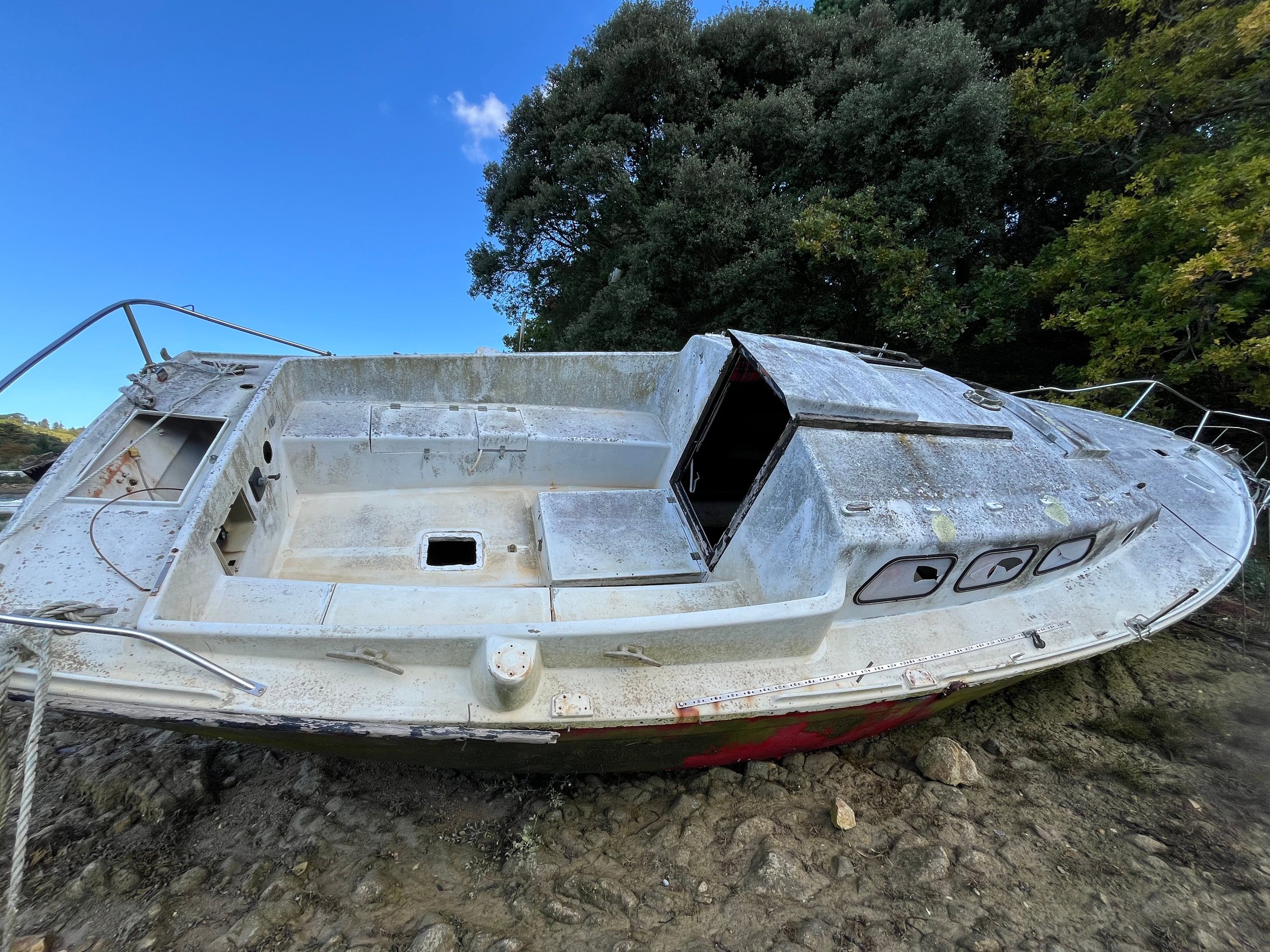

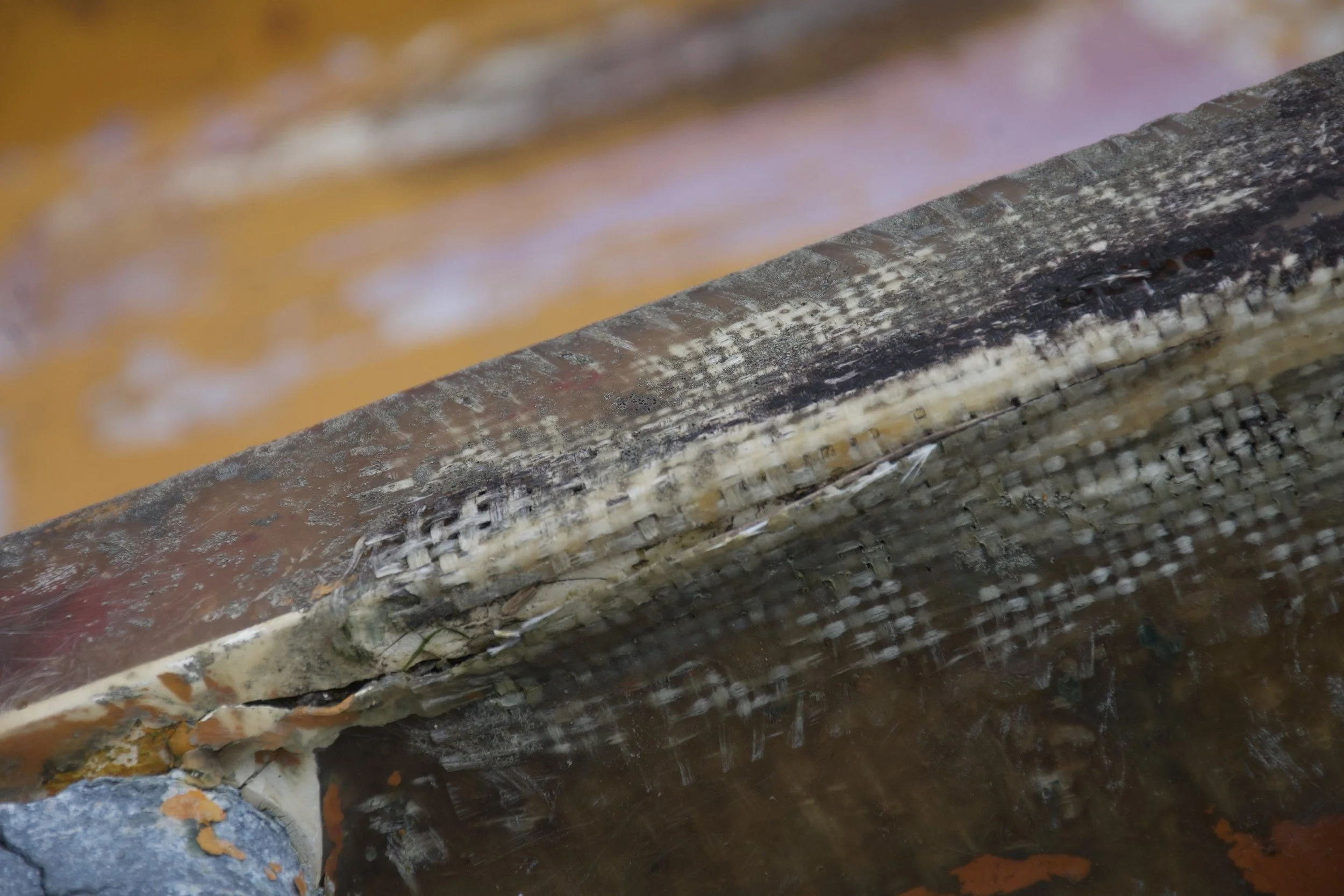
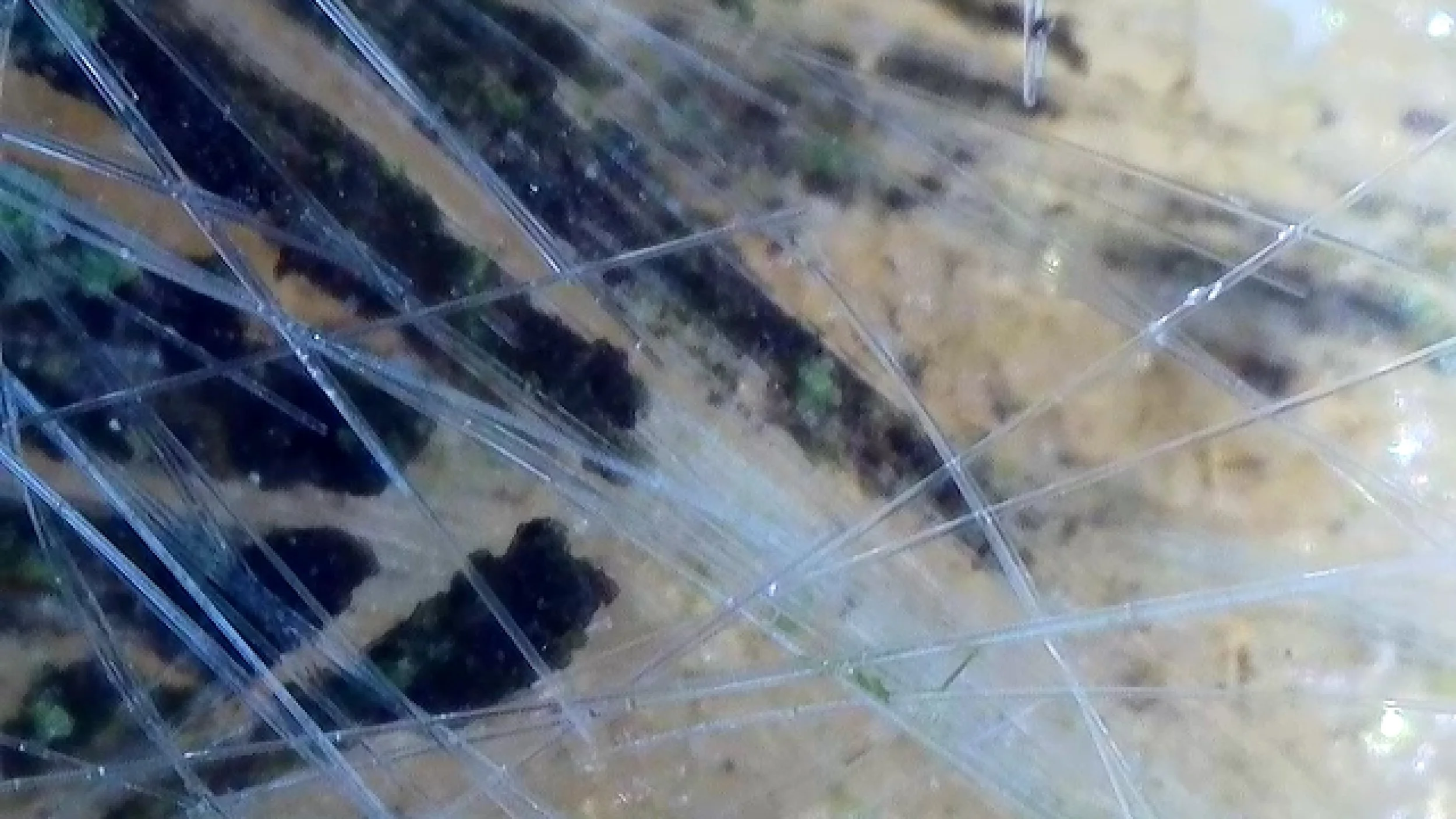
What happens when boats are left to decay along our coasts?
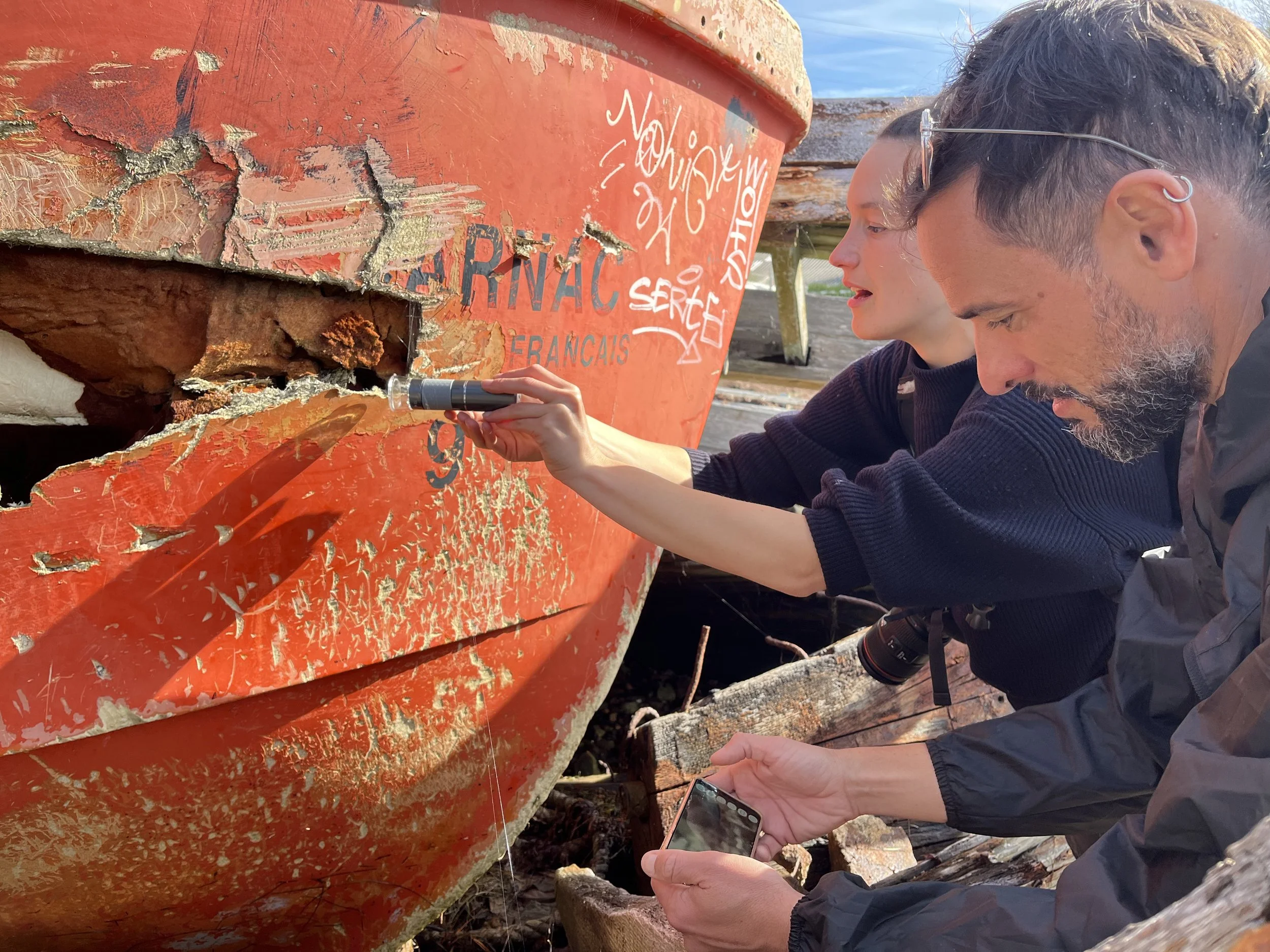
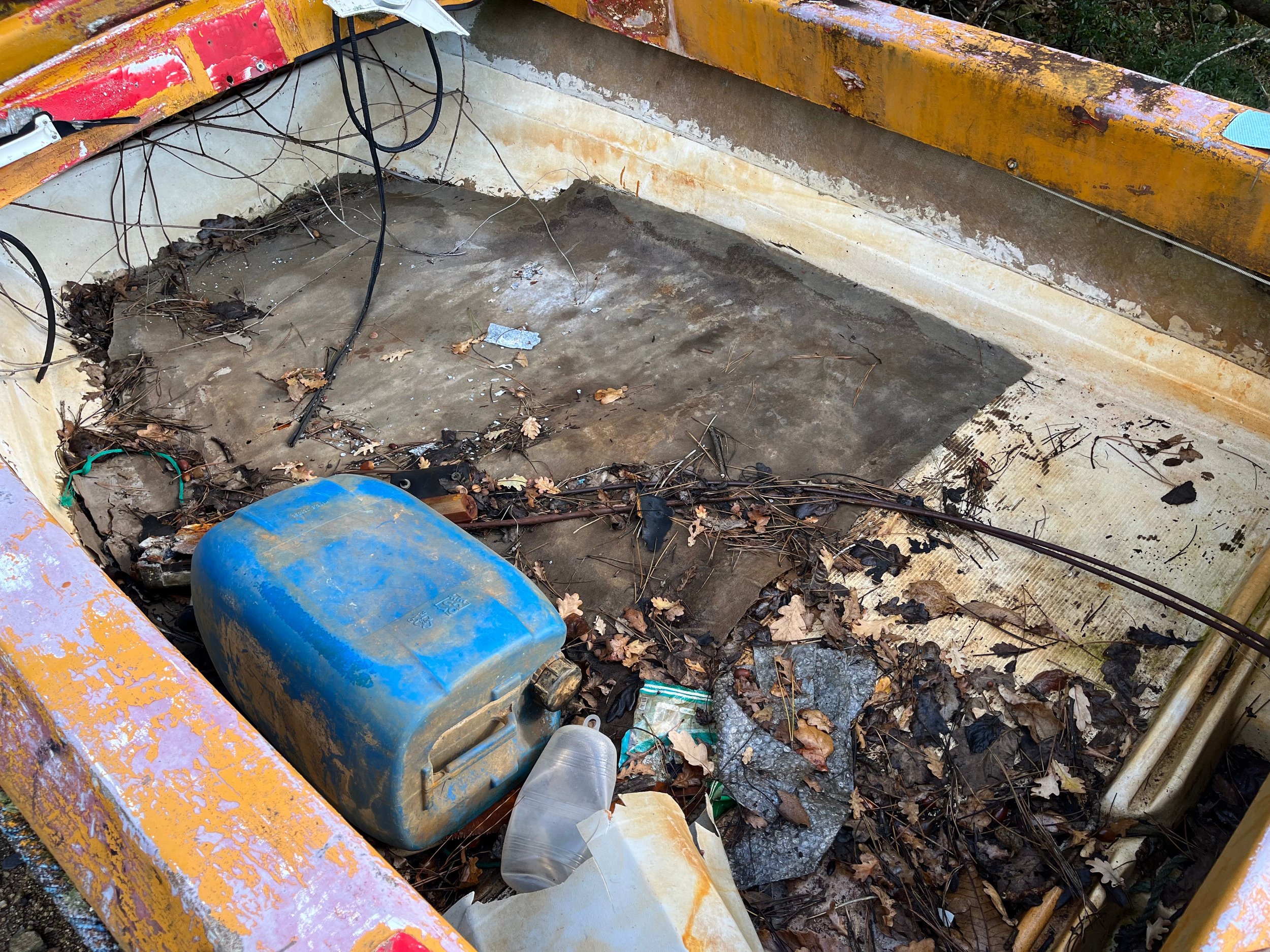
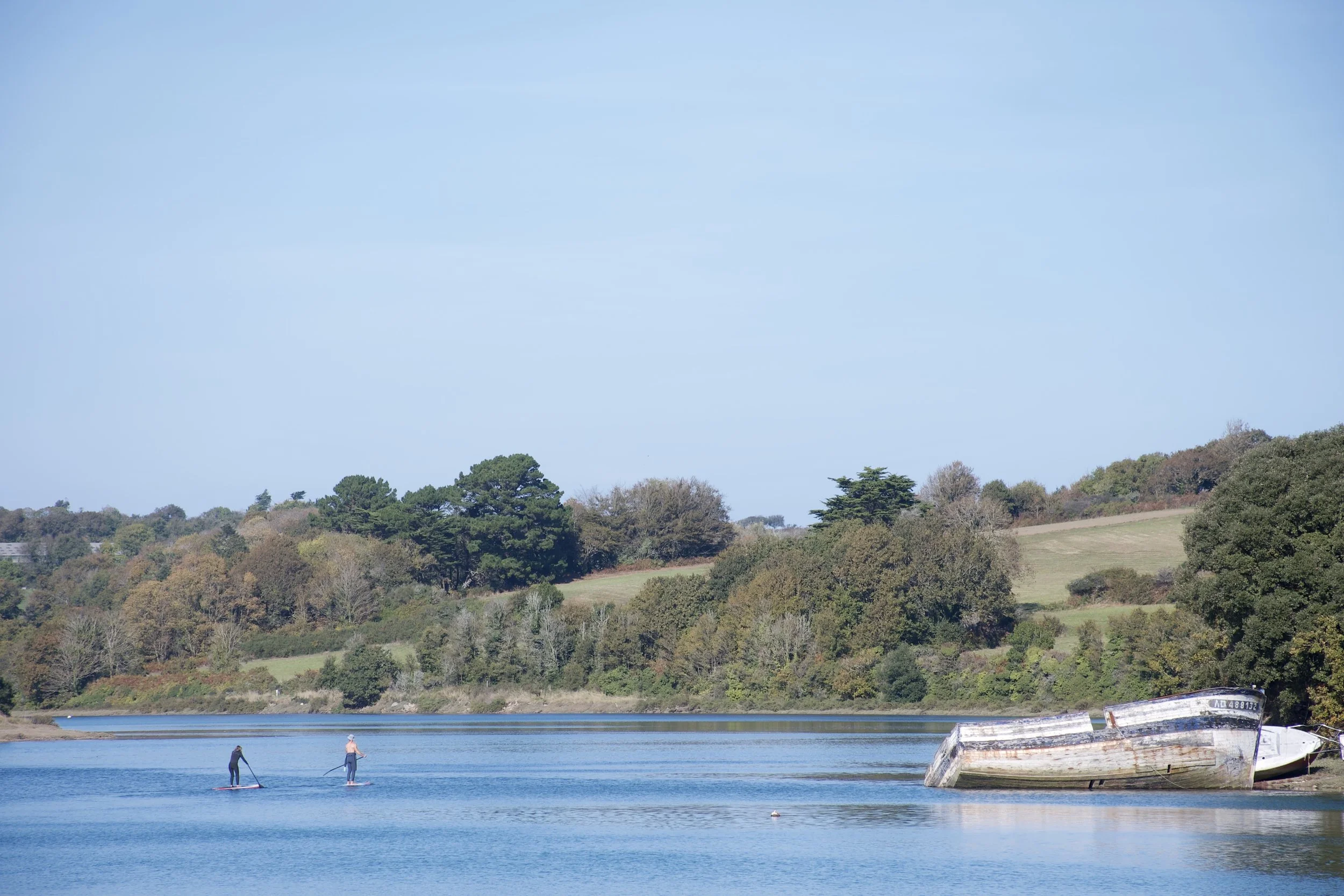
Across Brittany, abandoned boats are slowly breaking down—releasing fiberglass, paint and resin micro-particles into the water, sediment, and ecosystems we depend on. Yet this issue remains largely invisible, under-researched, and under-discussed.
This community workshop invites you to be part of a growing conversation—and a new wave of research and action.
Hosted by the Floating Stories Lab Association (Plouhinec) withCap Sizun - Pointe du Raz Community of Municipalities, and University of Brighton, this event brings together leading researchers working at the forefront of marine pollution and local voices from the community to connect knowledge, lived experience, and future solutions.
What to expect
This is an open, participatory workshop designed to:
Share emerging research on the environmental impact of decaying boats
Explore how pollution spreads through water, sediment, and marine life
Discuss impacts on coastal ecosystems and local livelihoods (including shellfish)
Identify priorities and gaps in knowledge
Co-imagine practical responses and long-term solutions
Join us
📍 Salle de l’inscription maritime, 3 rue Lamartine, 29770 Audierne
🗓 Monday 27th
🕠 17:30 – 20:15*
(*Weather permitting, drinks will follow outdoors beside the Goyen River following the end of the workshop).
GUEST SPEAKERS
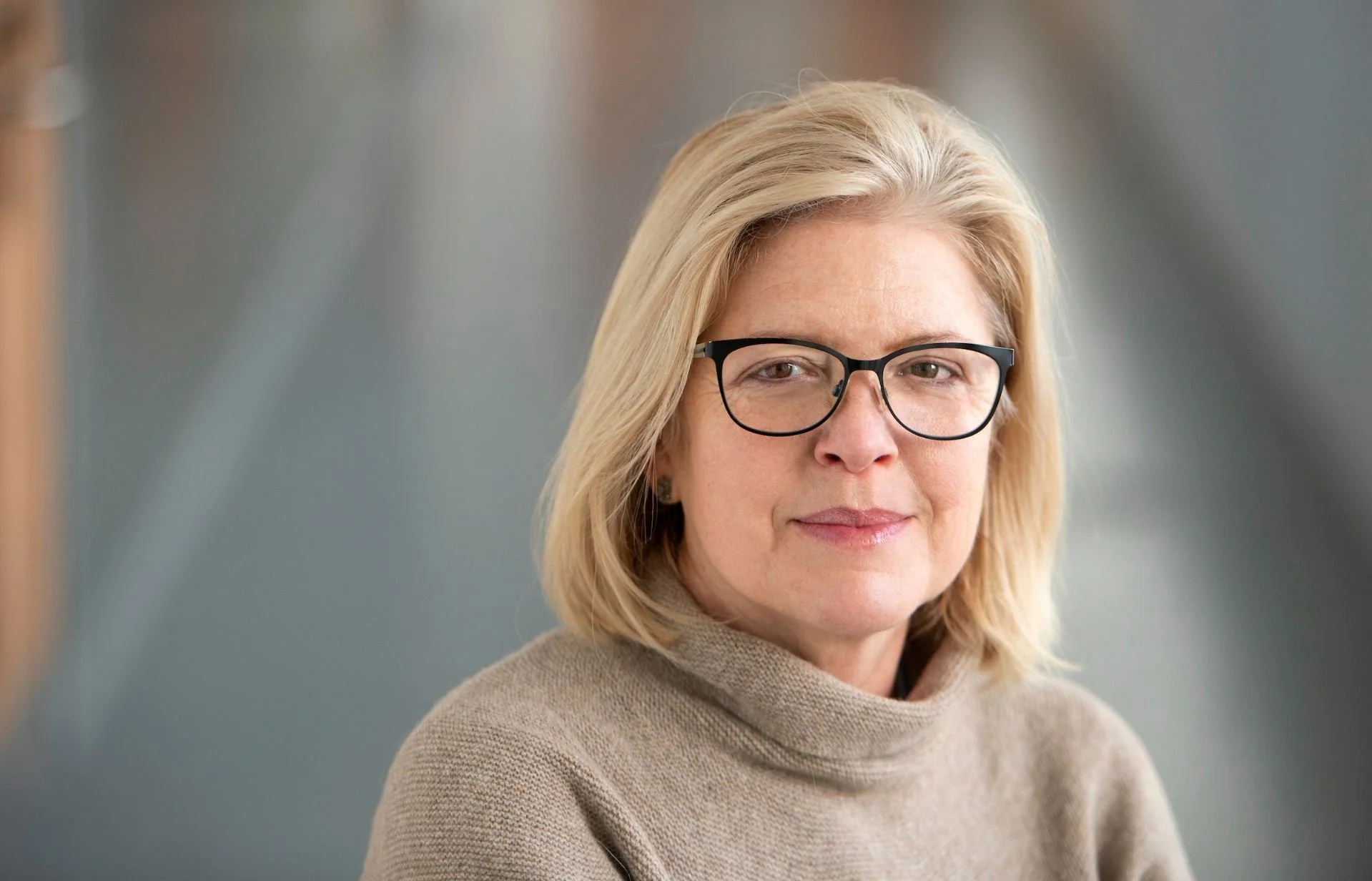
Dr. Corina Ciocan
A Marine Biologist, Corina’s work focuses on the biological responses of aquatic organisms to environmental stressors. Prior to working at the University of Brighton, UK, Corina was a full-time Researcher at the University of Sussex, UK after starting as a Research Assistant for the Romanian National Marine Institute. She was involved in a wide range of international research programmes (International Mussel Watch, EU Interreg Channel), investigating the pollution induced genetic damage impairment of reproduction mechanisms in bivalves and fish. Recently, Corina has developed a strong interest in the marine microplastics pollution and the potential input from boating activities.
Corina has published her research in high impact scientific journals, written book chapters and has appeared in TV and radio programs centred around her research into the contamination of the aquatic environment. Corina teaches Marine Biology at the University of Brighton UK and she brings a lot of her personal experience into the class room, encouraging students to participate in laboratory research and coastal surveys.
University of Brighton, UK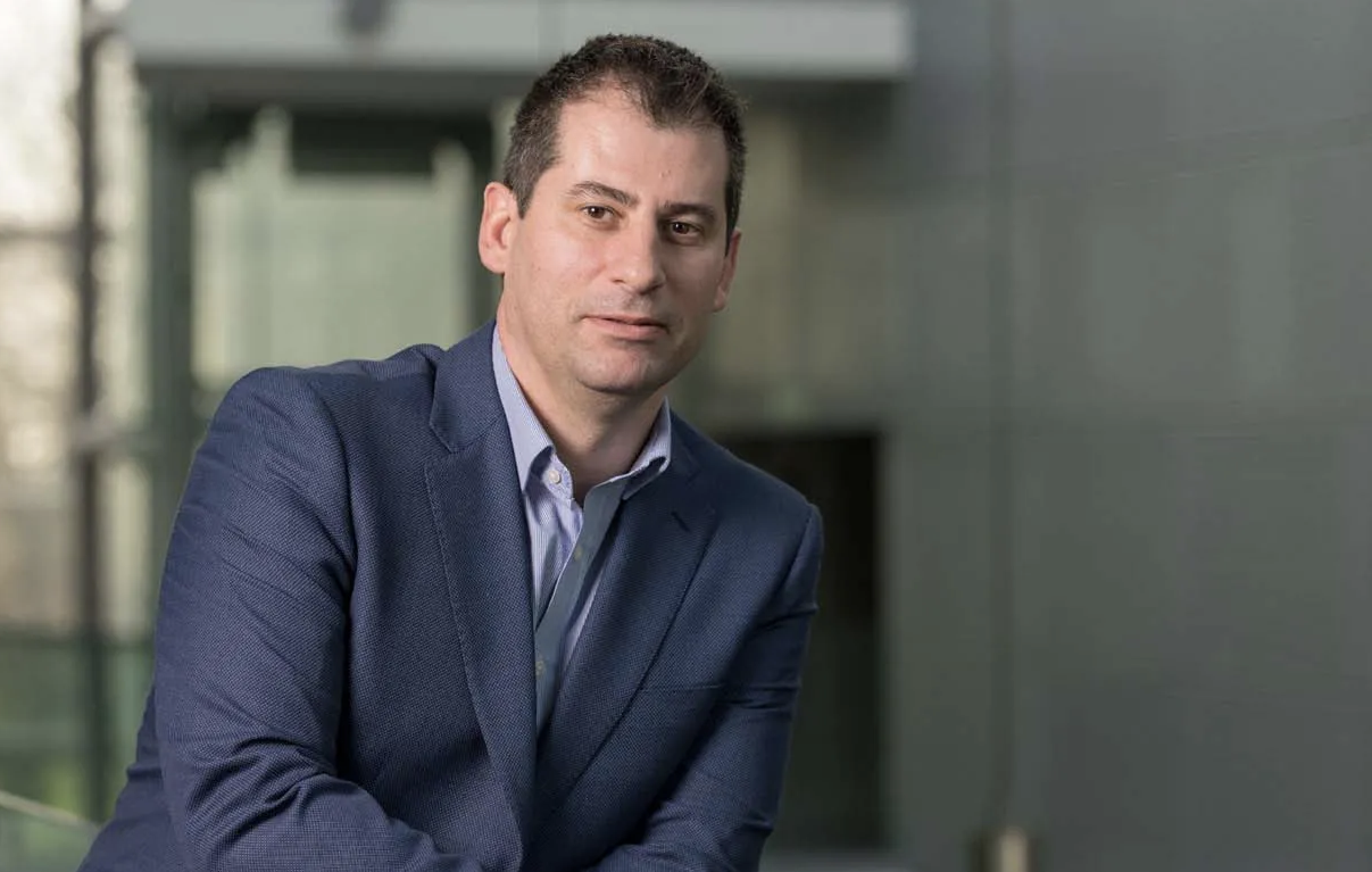
PROF. Frederic Coulon
Professor Frederic Coulon is an internationally recognised environmental scientist whose work integrates environmental chemistry, microbiology, and process engineering to advance sustainable solutions for pollution management and resource recovery. As Professor of Environmental Chemistry and Microbiology at Cranfield University (UK), he leads a multidisciplinary research portfolio focused on understanding the fate and behaviour of contaminants in complex environmental matrices and developing innovative remediation and monitoring technologies for soils, waters, and waste systems.
His research addresses the dynamic interactions between chemical pollutants and microbial communities, advancing both the mechanistic understanding and applied engineering needed to treat hydrocarbon-contaminated soils, industrial wastewaters, and emerging contaminants such as PFAS and microplastics.
At Cranfield, Professor Coulon provides strategic leadership across several interdisciplinary platforms, including the Environmental Biotechnology Innovation Centre (EBIC), a national £13 million initiative to engineer microbial and synthetic biology systems for pollution mitigation, waste valorisation, and environmental sensing.
Cranfield University, UK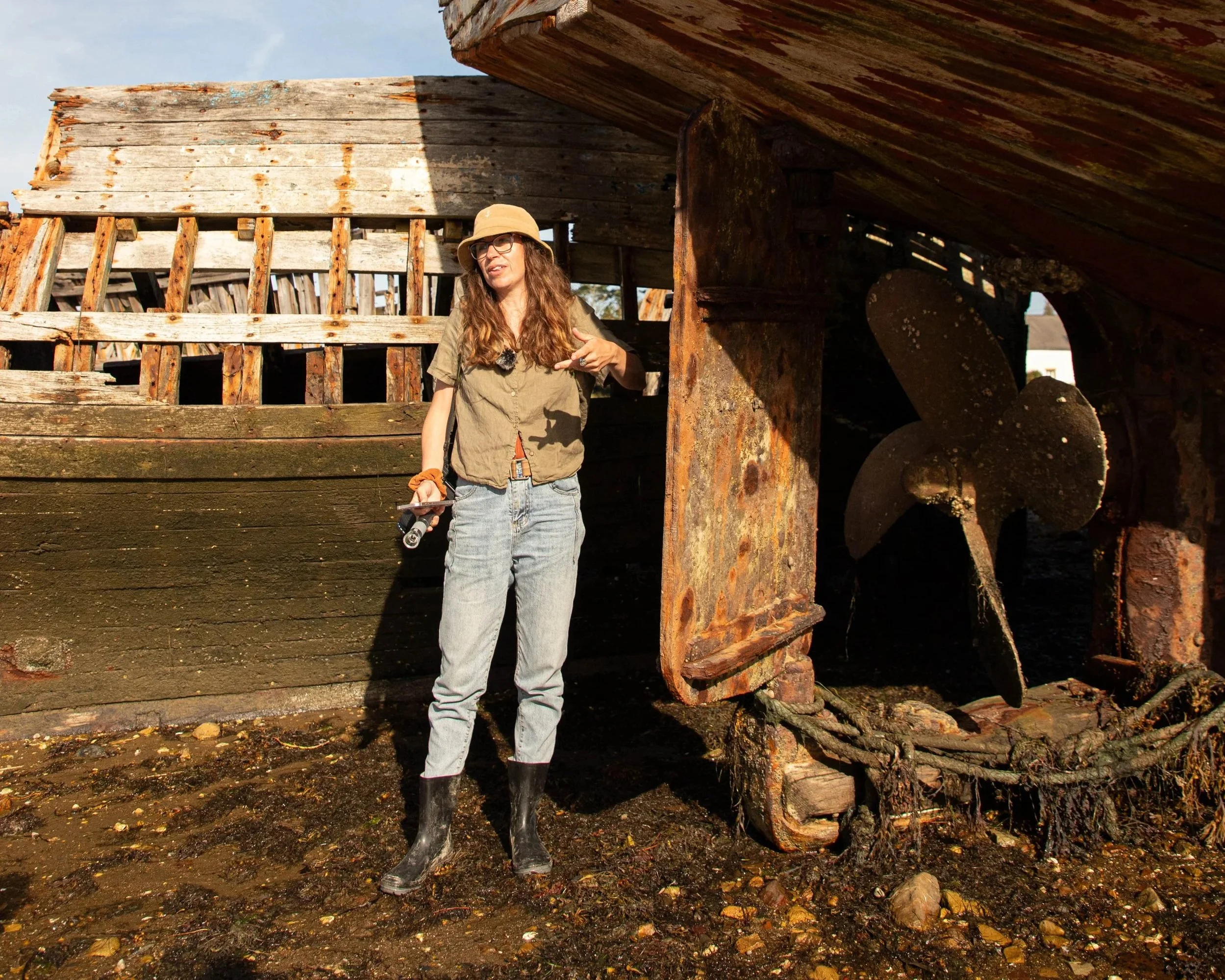
Angie Richard
Angie is a researcher, award-winning documentary filmmaker, and writer with over two decades of experience in eco-adventure storytelling, creative practice research, and citizen science. Her work focuses on how creative storytelling can actively contribute to regenerative futures, bridging science, media, and community engagement. Angie is a producer of award-winning documentary films including Women & the Wind, Ecosphere, UN VR’s Sea of Islands, and The Laps: Tasmania. She leads FSL’s citizen science initiatives and is an external research member of University of Brighton’s Center for Environment and Society.
Angie will co-captain FSL’s Polynesian-inspired sailing catamaran on its circumnavigation and currently leads the UN Ocean Decade Endorsed ‘Regenerative Tides: Sailing for Solutions (ReTISS)’ citizen science initiative, mapping end-of-life boats across Britanny and analyzing their impact on marine ecosystems and local communities.
The Floating Stories Lab Association, FR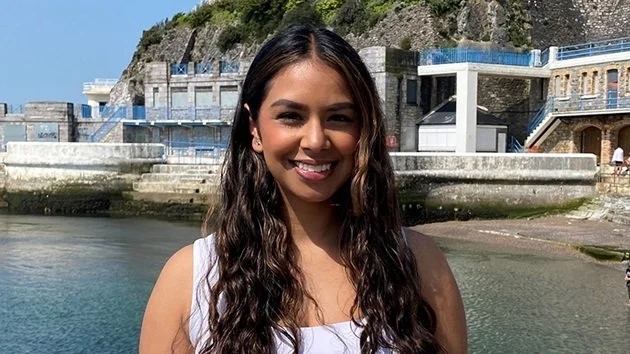
Dr. YaSMIN MEEDA
Yasmin’s work focuses on enhancing microbial systems to tackle environmental pollution in drinking and wastewater using genetic engineering. She is currently a postdoctoral researcher in the Environmental Biotechnology Innovation Centre (EBIC) hub, which is a consortium of research institutes working to enhance microorganisms’ ability to break down pollutants such as plastics, metals, hydrocarbons and pesticides to support a cleaner environment. Yasmin obtained a first-class honours from the University of Brighton in Biological Sciences in 2018 and a distinction in her Master of Research in Marine Biology from the University of Plymouth in 2020. She obtained her PhD from the University of Exeter and the Marine Biological Association of the UK studying phosphorus sensing mechanisms in diatoms, a type of microalgae found in the ocean.
Yasmin also champions science communication through videos, conferences, TV and social media @marinebiologywithyaz to disseminate scientific topics to a wide audience.
Cranfield University, UK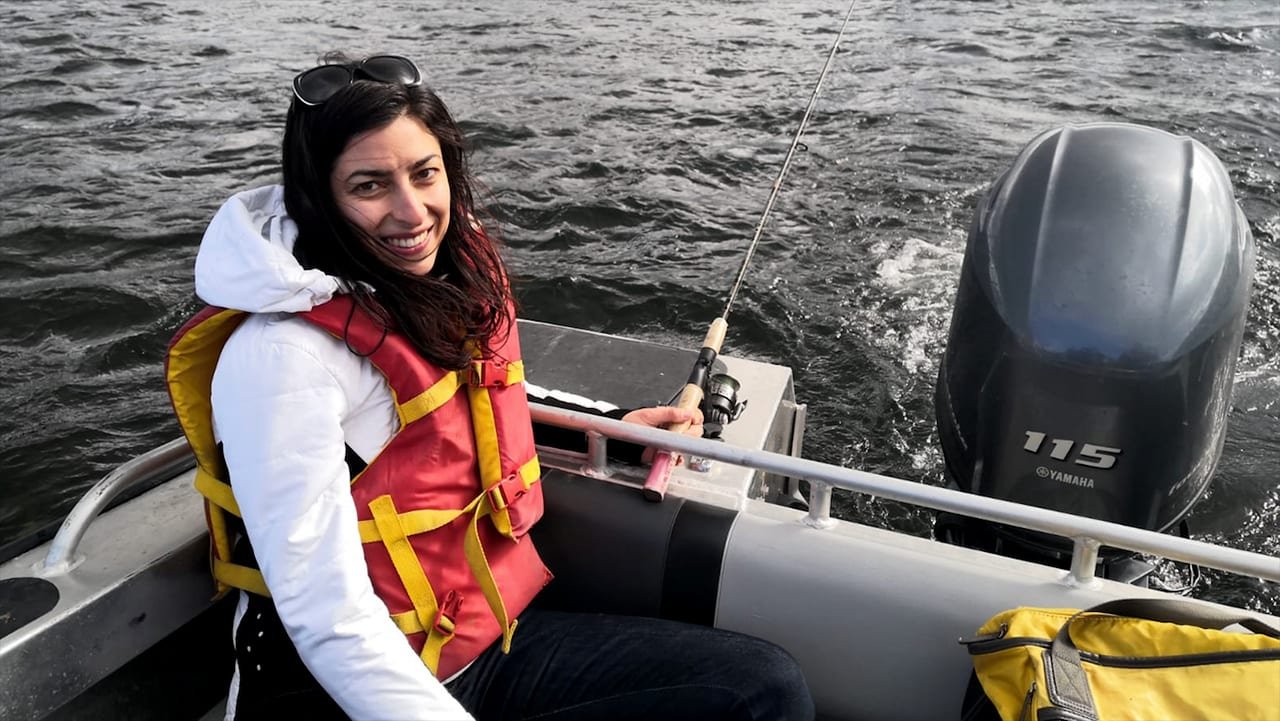
Dr. Melina Kourantidou
Melina Kourantidou is an environmental and resource economist working on the socio-economic dimensions of marine and coastal systems. Her research focuses on human–environment interactions, particularly the trade-offs between ecological impacts and socio-economic benefits in contexts such as fisheries, invasive species, and coastal management. She has held research positions across Europe and North America and is currently affiliated with CNRS in Brest, soon transitioning to a tenure-track research chair (CPJ) in Rennes, with a focus on coastal socio-ecological systems in Brittany, particularly land–sea interactions and coastal resource use. Her work combines economic analysis, interdisciplinary approaches, and stakeholder engagement to support decision-making under environmental change.
She has contributed to international research initiatives and policy-relevant work, including collaborations with scientific networks, governmental bodies, and international organizations. In the context of this workshop, her interest lies in understanding abandoned boats as a form of legacy environmental pressure, and in exploring the economic, governance, and policy challenges associated with their management and remediation in coastal territories.
CNRS
Université de Bretagne Occidentale, FR