
GRP Symposium, OSPAR Convention to protect our North-East Atlanticmarine environment, and a call out to scientists and water folk the world around.

Dr. Corina Ciocan giving an introduction to the Symposium and overview on her recent findings of the shocking impact of fiberglass on oysters and mussels from samples taken at Chichester Harbour, UK.
In a time of much division across Europe and the world, it was a joy to come together at the University of Brighton for the GRP Symposium ‘Bridging the Gap Between Science and Policy – End of Life Boats,’ organized by Dr. Corina Ciocan. The event brought together a diverse group of scientists, academics, end-of-life boat management stakeholders, boat builders, students, concerned citizens, and boating authorities, as we gathered to share knowledge and exchange dialogue about Corina’s recent research, which reveals the shocking impact of fiberglass on marine life such as oysters and mussels.
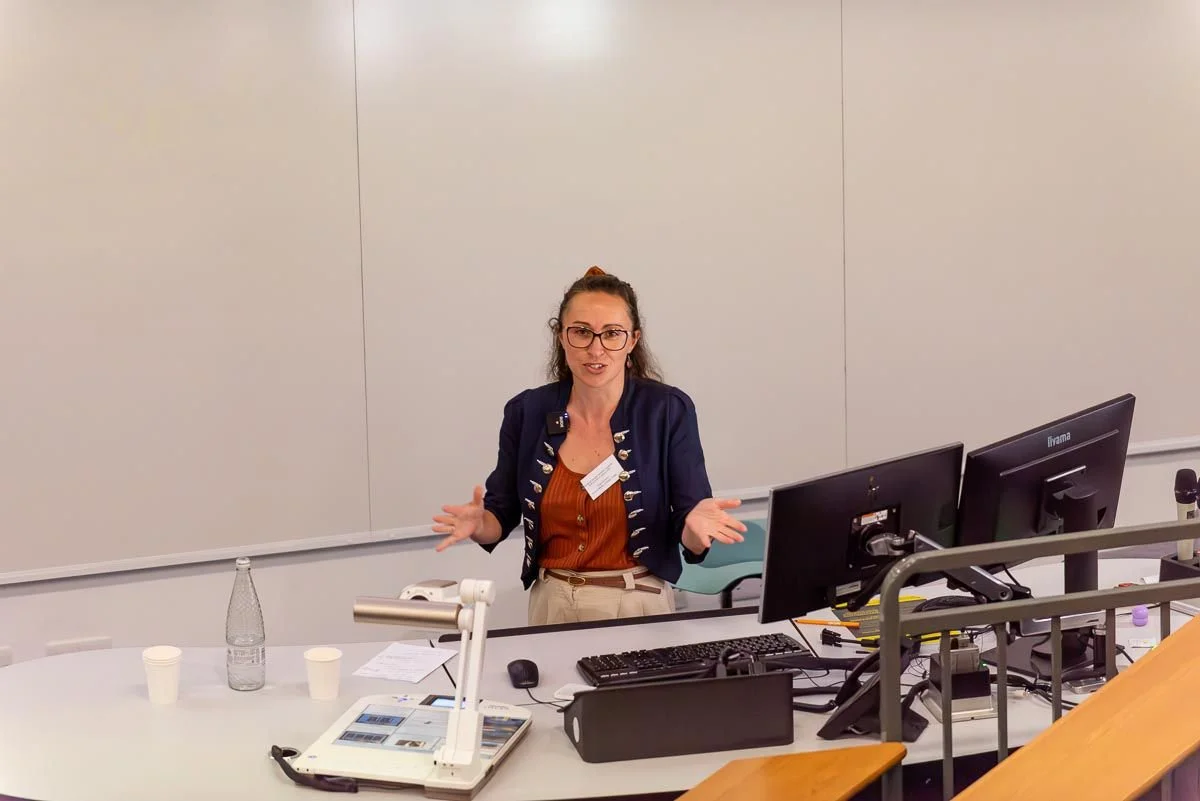
Presenting our project at the Symposium.
Invited to the Symposium by Corina to present a keynote talk, I shared our Floating Stories Lab, speaking to the importance of storytelling, art, and design to drive regenerative futures. Tasked with the dissemination of the ongoing scientific research on glass-reinforced-plastic (GRP), I shared our first impact project in development: ‘Regenerative Tides: Sailing for Solutions’, a multidisciplinary initiative seeking to unravel the environmental impacts of fiberglass boats on marine ecosystems and human health. A major component of this project is the creation of a citizen-driven, open-source database designed to generate public awareness and action, where citizens can collect data on ‘bad boats,’ such as GPS locations, site surveys, photo and video evidence, which we will then integrate with visual mapping software to support scientists in identifying ‘hot spots’ of potential contamination to investigate further.
Senior Lecturer at UoB’s Law School Keetan Jah, who specializes in environmental law, brought the OSPAR Convention to our attention during his engaging talk at the Symposium in the Policy session, which we shared a panel Q&A session on. Unpacking the OSPAR Convention in more depth relative to the threat of fiberglass on marine environments and human health is the theme of today’s newsletter.

On the Policy Panel/Q&A Session. I was asked what’s required to get people to care about creatures such as oysters, mussels, and sea fleas, vulnerable to fiberglass pollution. How can we overcome compassion fatigue? I spoke about getting citizens engaged in science through active field work such as our data collection project, and by focusing on Kinship stories to deepen our (re)connection with the living systems we exist within. What do you think? Leave a comment below.
Understanding the OSPAR Convention
The OSPAR Convention is an international agreement aimed at protecting the marine environment of the North-East Atlantic. It was established in 1992 through the merger of the 1972 Oslo Convention against dumping waste at sea and the 1974 Paris Convention for land-based sources of marine pollution. The convention sets out measures to prevent and eliminate pollution, protect marine ecosystems, and manage human activities that impact the marine environment, with cooperation from contracting parties.
The contracting parties of the OSPAR Convention include 15 governments and the European Union. These parties are:
Belgium
Denmark
Finland
France
Germany
Iceland
Ireland
Luxembourg
Netherlands
Norway
Portugal
Spain
Sweden
Switzerland
United Kingdom
European Union
Of interest to our work surrounding the impacts of fiberglass on marine environments is how the OSPAR Convention incorporates the prevention and elimination of hazardous materials entering the marine environment through a series of annexes and articles that mandate strict control measures.
Relevant Annexes:
Annex I: Prevention and Elimination of Pollution from Land-Based Sources
This annex focuses on the prevention and elimination of pollution from land-based sources, detailing specific actions to control hazardous substances.
Annex II: Prevention and Elimination of Pollution by Dumping or Incineration
This annex addresses pollution from dumping and incineration at sea, ensuring hazardous materials are managed and minimized.
Annex III: Prevention of Pollution from Offshore Sources
This annex covers the prevention of pollution from offshore sources (including stringent regulations for hazardous substances from oil and gas installations).
These annexes collectively ensure comprehensive measures are in place to protect the marine environment from hazardous materials.
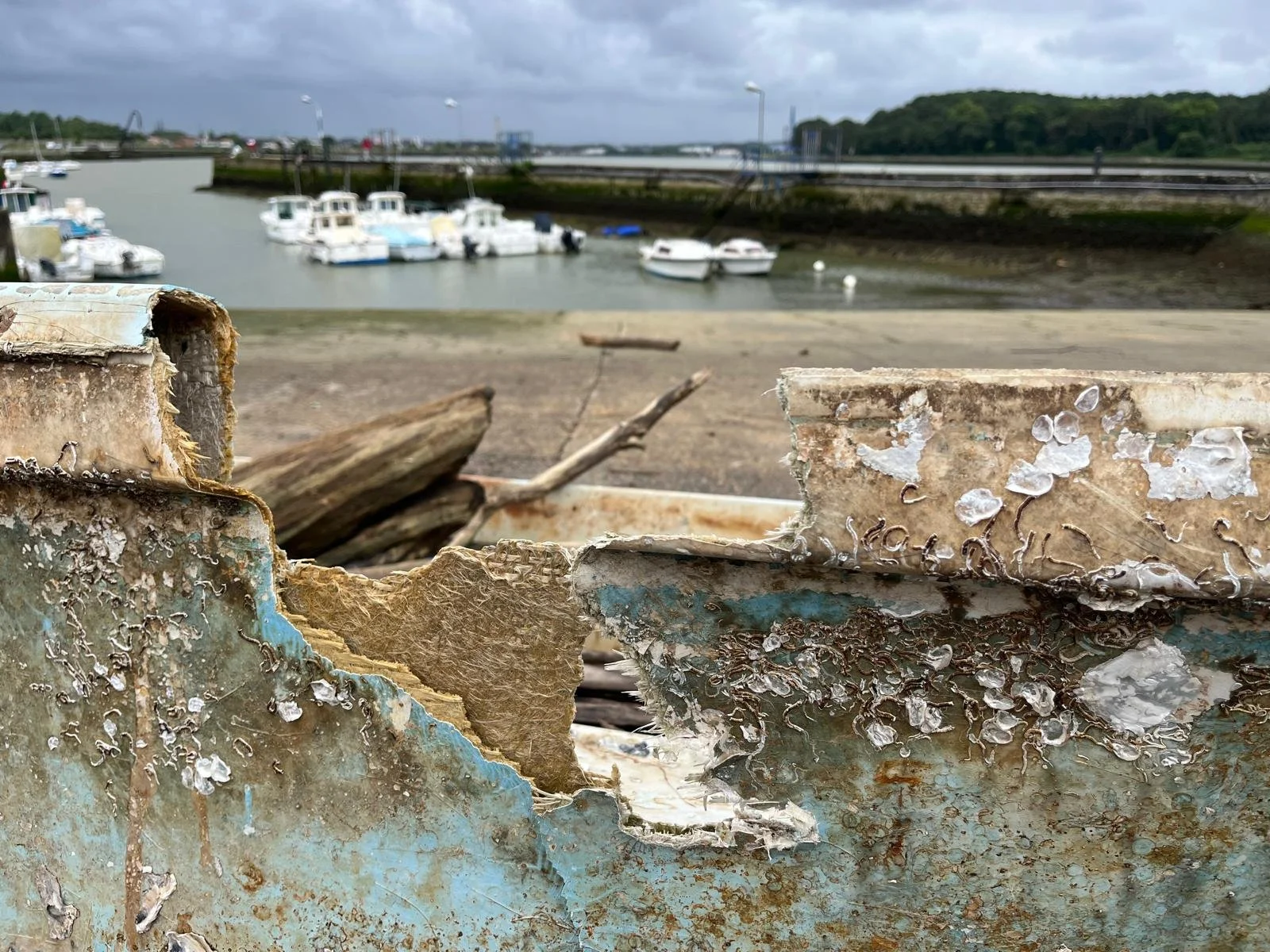
One of the boats documented as part of the pilot ‘bad boats’ database. I’ll be soft launching the database shortly. Get in touch if you’d like to be involved or support.
OSPAR Article 6
Article 6 of the OSPAR Convention outlines the obligations of the contracting parties to adopt programs and measures to prevent and eliminate pollution from land-based sources. This includes ensuring that activities under their jurisdiction do not cause pollution to the marine environment of the North-East Atlantic. The article emphasizes the need for coordinated efforts and cooperation among the parties to effectively implement these measures. It also stipulates that parties must apply the best available techniques and best environmental practices to achieve the objectives of pollution prevention and elimination.
Opportunity for Including Fiberglass in the List of Contaminants of Possible Concern under OSPAR
The OSPAR Convention, through its Quality Status Reports (QSR), continuously evaluates and identifies contaminants of emerging concern to protect the marine environment of the North-East Atlantic. The 2023 QSR highlights several operational objectives, including the identification and prioritization of new contaminants for action under the CONnECT project. This initiative analyzes samples across the OSPAR area to identify substances that are widespread and occur in concentrations that may adversely affect marine organisms.
Given the growing awareness of microplastics and their environmental impact, there may be an opportunity for fiberglass, commonly used in marine applications such as boat hulls and insulation materials, to be considered for inclusion in this list. Fiberglass particles, like other microplastics, can be released into the marine environment through wear and tear, disposal, and other degradation processes.

Dr. Corina Ciocan’s magnified sample of fiberglass pollutants shows a combination of resin and glass.
Justification for Including Fiberglass:
Widespread Use and Persistence:
Fiberglass is extensively used in marine and industrial applications, leading to its potential release into marine environments. Its durability and resistance to degradation mean it can persist in the environment for long periods, posing similar risks as other microplastics.
Potential Toxicity:
Studies have shown that fiberglass can cause physical harm to marine organisms if ingested, similar to other microplastics. It can also act as a vector for other pollutants, increasing the overall toxic burden on marine life.
Monitoring and Assessment:
Including fiberglass in OSPAR's monitoring and assessment programs can help quantify its presence and impact. Current methodologies, such as those used in the CONnECT project, can be adapted to detect and analyze fiberglass particles.
Policy and Regulation:
By identifying fiberglass as a contaminant of concern, OSPAR can develop targeted measures to reduce its release and mitigate its impact. This can include best practices for disposal, recycling, and management of fiberglass-containing materials.
By focusing on these key annexes and articles, our efforts to address the environmental impact of fiberglass boats can be better aligned with the OSPAR Convention’s framework, ensuring more effective collaboration and implementation of necessary measures.
I have Keetan circling back to me in the coming weeks with more OSPAR insights, and will update you as we learn more as his legal mind will no doubt provide a valuable perspectives and opportunities I likely have missed.
In the meantime, you can refer to the OSPAR Convention and the OSPAR Quality Status Reports.
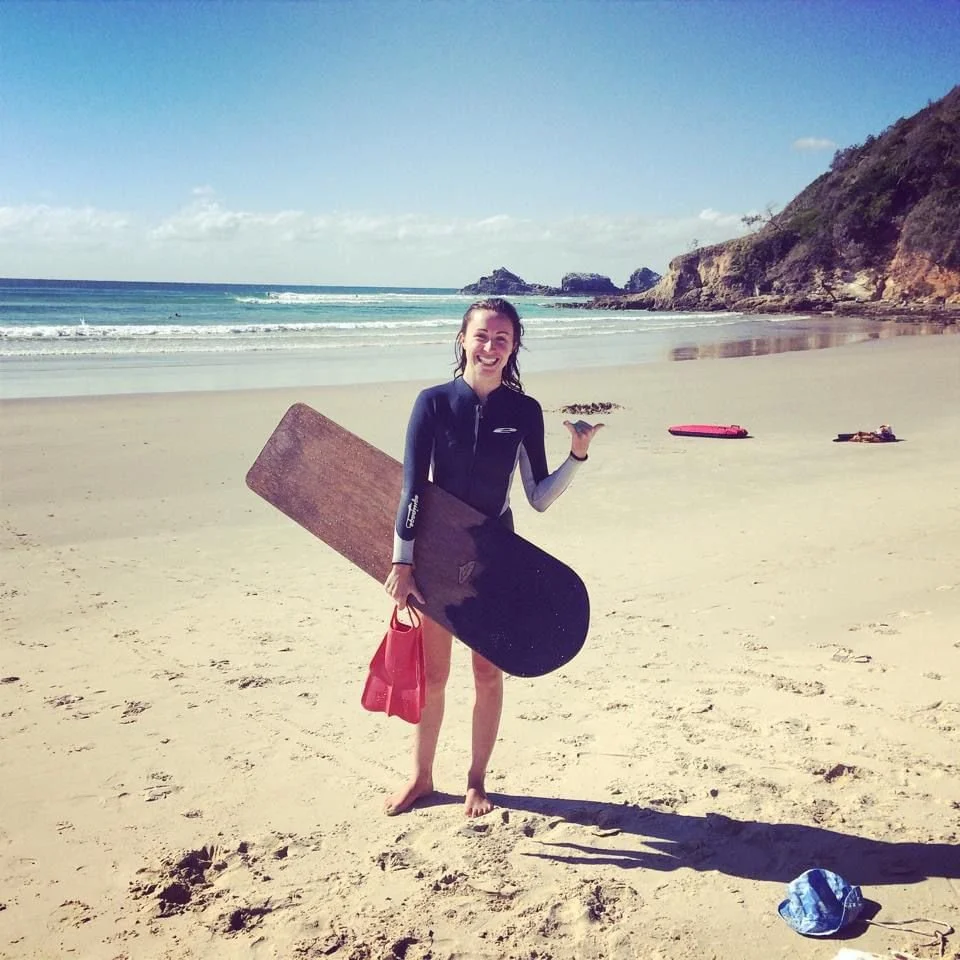
Water folk the world around can support science and influence policy to help keep our marine living systems healthy and regenerative.
I’d like to wrap up today’s knowledge exchange with a short call out:
To those researching and advocating in the microplastics community - please join our plight in investigating fiberglass impacts in aquatic environments. This is only the beginning of cutting edge research, stumbled upon by accident (perhaps that’s a story for another time, but for example, you’re not going to find fiberglass particles if you’re analysis water samples with fiberglass filters or using the wrong size filter). To move the slow turning wheels of policy, we need data. I invite you to reach out to the two scientists currently conducting cutting edge research in this field, Dr. Corina Ciocan (University of Brighton), and PHD Candidate Rachel Kozloski (University of Nevada).
To my fellow ocean-loving water folk - let’s rally together to support the research community by participating in citizen-science. Sailors, surfers, fisherpeople, swimmers, those who live by the sea or enjoy gentle walks along her shores - all of us are the eyes and ears of our Ocean. As we enjoy our time in and around the water, we can also be collecting valuable data to share with scientists. Furthermore, what good is an internationally binding Convention such as OSPAR if the legislation is not enforced? (which comes down to the will of the ministers). Putting pressure on politicians is our duty as custodians of the Sea.
This article was originally posted on our Voyage Virage Substack. Join our Substack community to receive the latest news and stories from our Floating Stories Lab project right to your inbox.