

A Journey to Fiji: Documenting Climate Security and Community Regeneration
As the world grappled with the aftermath of the Covid-19 pandemic, I, Angie, found myself traveling to Fiji as part of a virtual reality film crew. Our mission was to produce a poignant documentary focusing on climate security in Fiji's remote indigenous villages. Amidst a global crisis, we were uncertain what awaited us, but any apprehension quickly dissolved thanks to the warm embrace of the local communities.
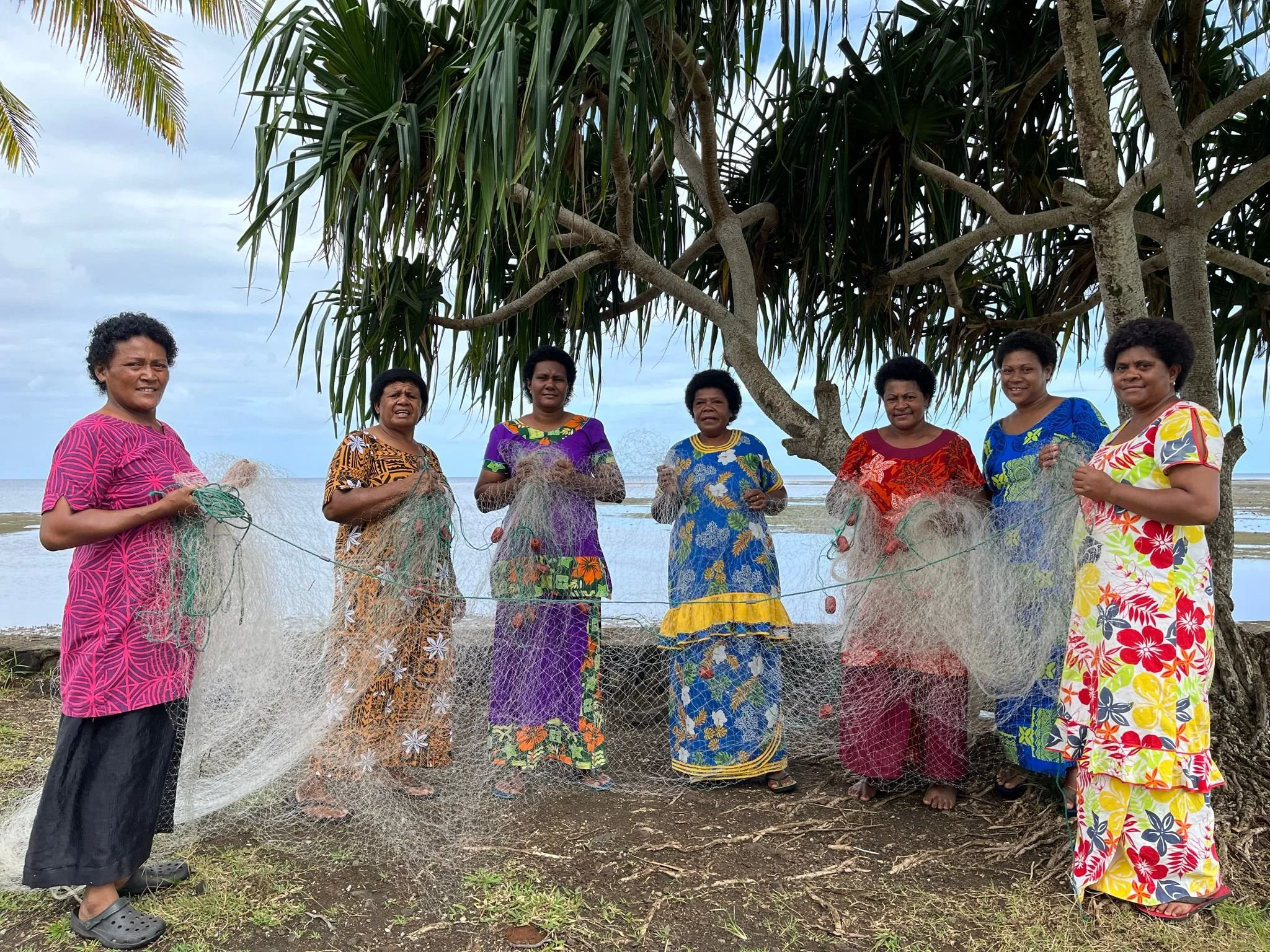
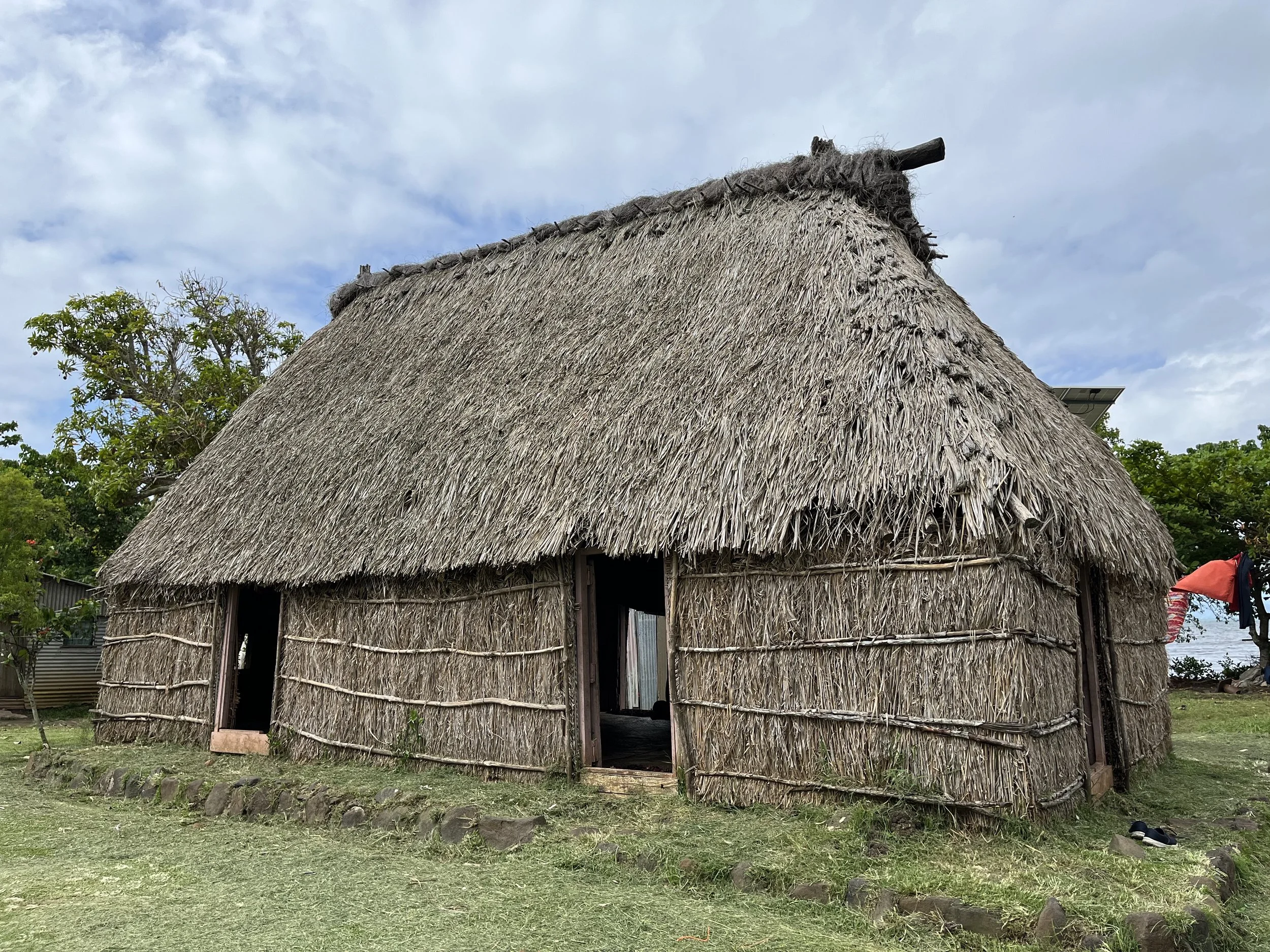
Our expedition began on Fiji’s largest island, Viti Levu, with Suva as our base. From there, we ventured northeast to Veidrala Village. This community, almost completely obliterated by Cyclone Winston, was still in the midst of a gradual rebuilding process. Our days there, filled with filming and learning, painted a vivid picture of determination and hope, but also shared learnings of what’s needed to be done locally and internationally to reduce climate security risks for the locals moving into the future.
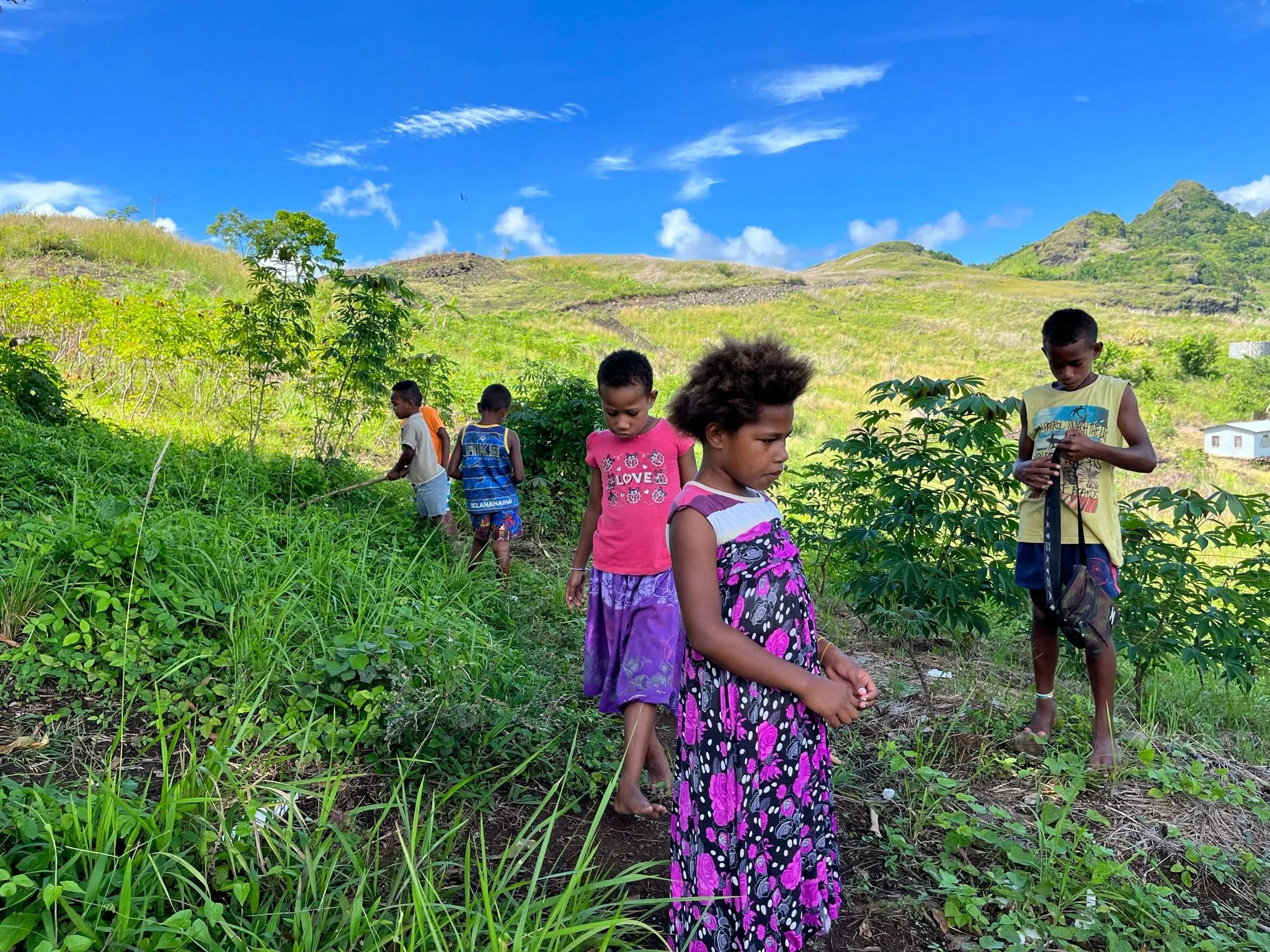
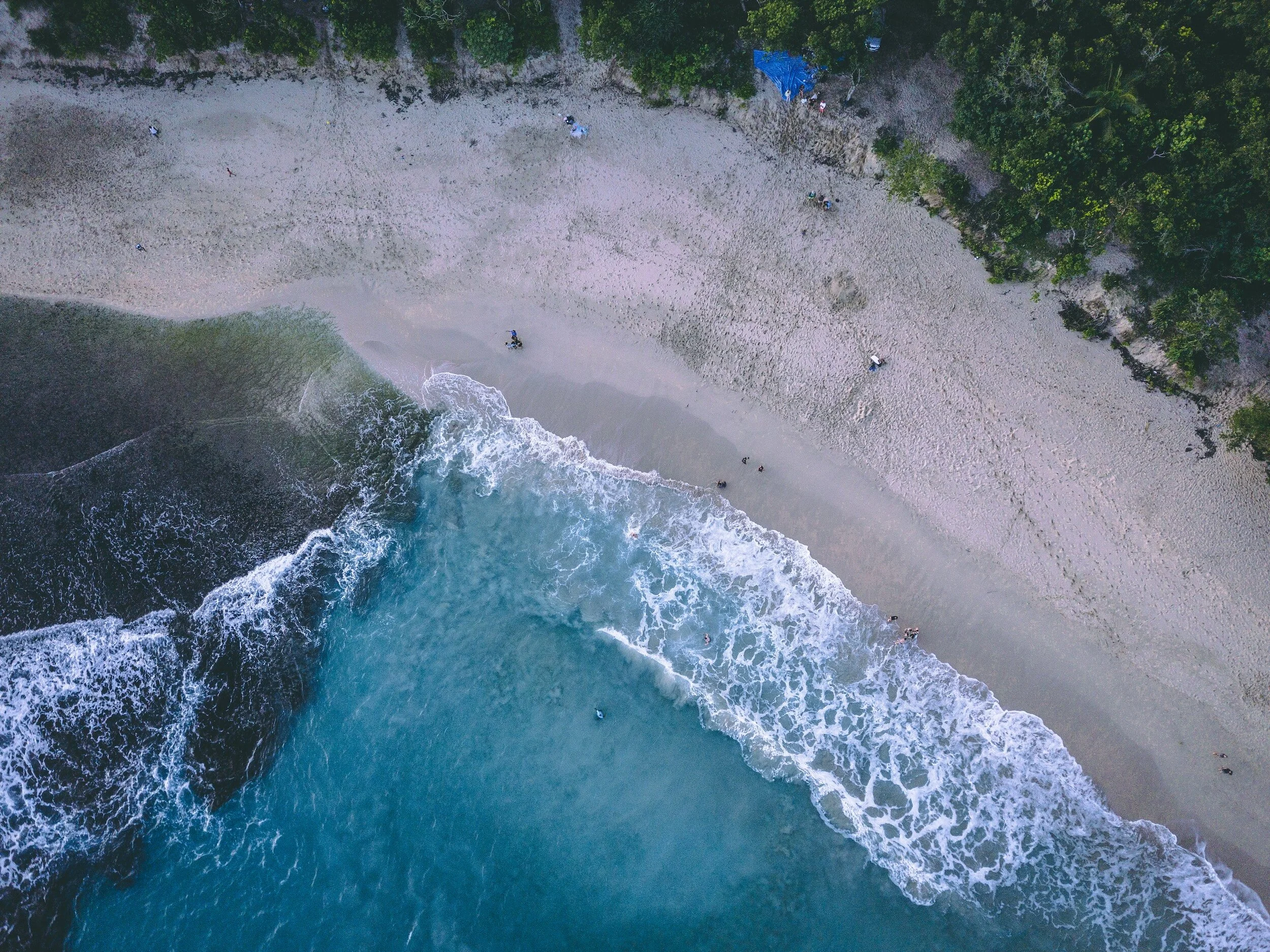
The next leg of our journey took us aboard a government maritime vessel to explore the smaller, more secluded islands. Among these, Gau Island, nestled in the Lomaiviti Archipelago and renowned as Fiji's fifth-largest island, left an indelible mark on us. Gau’s breathtaking biodiversity, shared harmoniously by its villagers with species like the critically endangered Fiji petrel and the vulnerable shy ground-dove and collared petrel, was a testament to the delicate balance of nature and human coexistence.
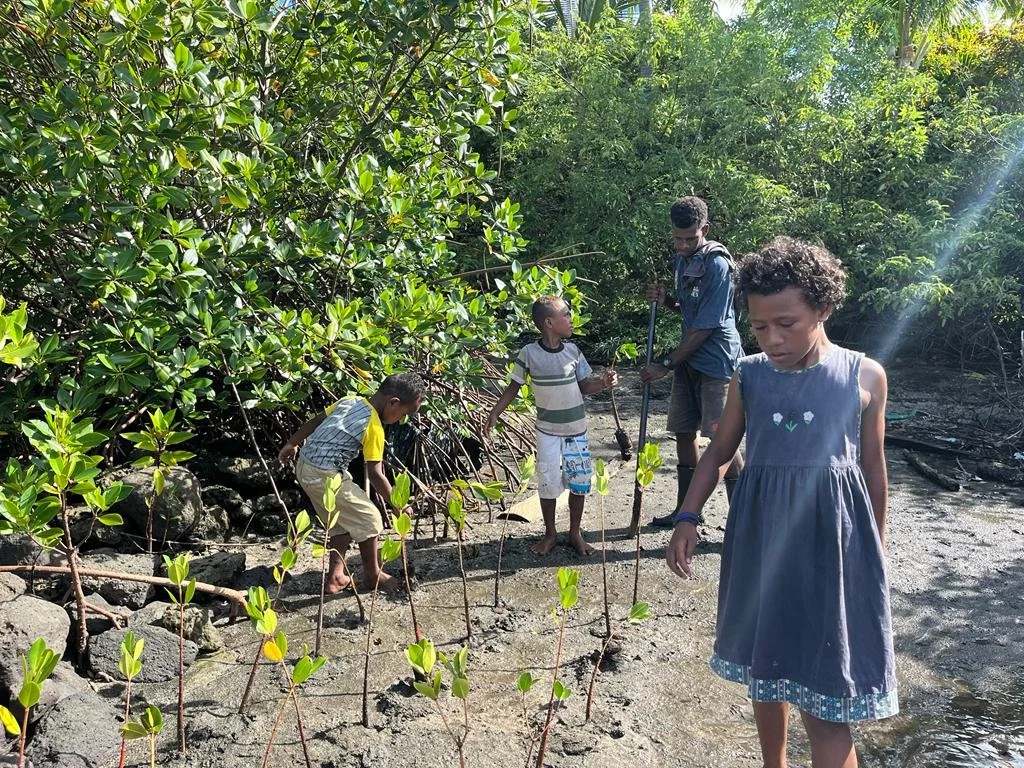
At the heart of Gau’s environmental stewardship is the Lomani Gau Project – translating to 'deeply care for Gau Island.' This initiative symbolizes community-led sustainable development and conservation. For over a decade, the local villagers have been dedicatedly sculpting this endeavor into a global exemplar of regeneration.
This trip to Fiji was more than a documentary project; it was an immersive experience into how unity at the local and international level is paramount to assist South Pacific communities in facing climate challenges and reducing risks. Gau Island, with its rich natural heritage and committed inhabitants, stands as a beacon of hope and a model for sustainable living in harmony with nature.

Community-led sustainable development and regeneration
Lomani Gau Project

Embracing Responsible Travel in Fiji
In our quest to explore the world consciously and respectfully, responsible travel forms the core of our adventures. As we look forward to sailing back to the enchanting islands of Fiji, we're mindful of the delicate balance between experiencing its natural wonders and preserving them for future generations. Below are resources and guidelines we've gathered to help fellow travelers and sailors embark on a journey that honors Fiji's vibrant culture, pristine environment, and the principles of sustainable tourism.
Discover these handpicked resources to ensure your visit to Fiji is not only memorable but also positively impactful. Have we missed anything? Be sure to let us know any great recommendations that align with our ethos of responsible adventuring.
Responsible Travel Resources in Fiji
Eco-Friendly Accommodations:
Explore sustainable resorts and eco-lodges that prioritize environmental conservation and community involvement. Examples include the Jean-Michel Cousteau Resort and the Barefoot Manta Island Resort.
Cultural Immersion Tours:
Engage in authentic cultural experiences through Fijian owned and operated tours that respect and celebrate Fijian traditions without appropriating them. Consider tours that involve direct interaction with local communities, such as village visits and cultural ceremonies.
Conservation Volunteering:
Participate in conservation projects like coral reef restoration or mangrove planting. Organizations like Coral Reef Alliance and Mamanuca Environment Society offer opportunities for travelers to contribute.
Sustainable Activities:
Choose eco-friendly activities like snorkeling, kayaking, and hiking. Ensure that these activities are conducted in a way that minimizes environmental impact and respects local wildlife.
Supporting Local Enterprises:
Purchase local crafts and products to support the Fijian economy. Engage with local artisans and learn about their crafts, ensuring that your purchases are ethically sourced and benefit the community.
Responsible Marine Wildlife Tours:
When engaging in activities like dolphin watching or diving, choose operators that follow ethical guidelines and respect marine life.
Environmental Education:
Visit educational centers like the Kula Eco Park, which offers insights into Fiji’s native flora and fauna, and promotes conservation awareness.
Eco-Transportation:
Utilize eco-friendly transportation options where possible, such as biking or walking for short distances, and using public transport or shared transfers to reduce carbon footprint.
Reducing Plastic Use:
Practice minimizing plastic use during your travels. Choose accommodations and services that emphasize plastic-free initiatives.
Cultural Sensitivity:
Educate yourself about Fijian customs and etiquette to ensure respectful interaction with locals. This includes understanding local dress codes, social norms, and traditional protocols.
These resources aim to guide travelers in making environmentally and culturally responsible choices while exploring the unique beauty and rich heritage of Fiji.
Sailing to Fiji: A Dream in the Making
As Angie, I cherish the dream of returning to Fiji, but this time aboard our own sailboat with my family. After my initial visit as part of a virtual reality film crew, the desire to sail across the Fijian archipelago and revisit the places I once filmed, while uncovering more of its hidden treasures, has grown stronger. Fiji, with its welcoming spirit and stunning seascapes, is an ideal destination for sailors seeking adventure and cultural richness.
Sailing Resources in Fiji
Marinas and Mooring Options
Port Denarau Marina: A well-equipped facility offering a safe haven for yachts, with easy access to Nadi’s amenities and the Mamanuca Islands.
Vuda Marina: Known for its unique circular marina layout, providing sheltered berthing near Lautoka.
Musket Cove Marina: Ideal for those seeking a tranquil spot, perfect for relaxation and accessing the surrounding islands.
Navigational Challenges and Tips
Fiji's waters can be tricky due to coral reefs. It's crucial to have updated charts and possibly a local pilot or guide for navigating through less charted areas.
Best Times for Sailing
The ideal time for sailing in Fiji is during the dry season, from May to October, offering favorable winds and less rainfall.
Cultural Experiences for Sailors
Engage with local communities through Sevusevu, a traditional Fijian ceremony, particularly when visiting remote islands or villages. When I visited we ensured to purchase Kava to bring to the villages to be offered for the Sevusevu ceremony. It is important that you first ask permission from the Chief or Village Head to visit their island or village.
Conservation and Sustainable Sailing
Participate in local conservation efforts and practice sustainable sailing by minimizing environmental impact and respecting marine protected areas. Many Fijian communities manage marine resources with the traditional method of Tabu, which involves the periodic prohibition of fishing in certain areas, allowing marine ecosystems to rejuvenate and thrive. This practice reflects the Fijians' deep respect for the ocean, understanding its critical role in sustaining both the environment and their way of life. As visiting sailors, please check with the local communities if they are in Tabu and if so, where their permitted fishing grounds.
Safety and Regulations:
Stay informed about Fiji’s sailing regulations and ensure compliance with safety standards and customs procedures. Consider joining the Sailing & Cruising in Fiji Facebook Page, a helpful community frequently sharing updated information.
Sailing to Fiji represents more than a journey; it's a quest to connect deeper with the ocean and the diverse cultures that thrive in harmony with nature. We look forward to the day our sails catch the breeze towards Fiji's shores, promising new adventures and lifelong memories.
Elevate our adventure and be a part of positive change!
Here's how you can get involved in the floating stories lab:
Power the Journey: Contribute to our project and help keep the sails unfurled! Support us via PayPal.
Join the Inner Circle: Dive deeper into our stories and receive exclusive content by subscribing to our Substack community.
Sail with Us: Become a Patreon and enjoy special perks while supporting our regenerative voyages.
Crew Up for Change: Explore partnership and sponsorship opportunities. Join us in creating a more sustainable and hopeful future.
Your involvement propels our journey, creating ripples of impact. Embark on this exciting voyage with us!