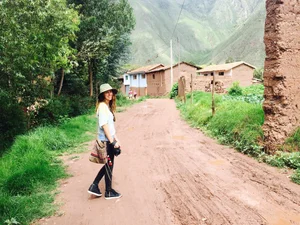
As an association not yet a year old, it’s a genuine thrill to watch our membership grow. Even more so when we get to meet our international members in person — as happened recently when Lisa Rose joined us in Cowes, Isle of Wight, to support my talk at the Royal Yacht Squadron’s 3rd Sustainability Symposium.
As is often the case at these events, we barely managed more than a few passing exchanges between sessions and dinners. But what little I learned about Lisa intrigued me immediately. After our first proper video call, I knew I wanted to sit down for a long form yarn on Fire Pit Talks so you could meet this thoughtful, grounded, quietly powerful woman too.
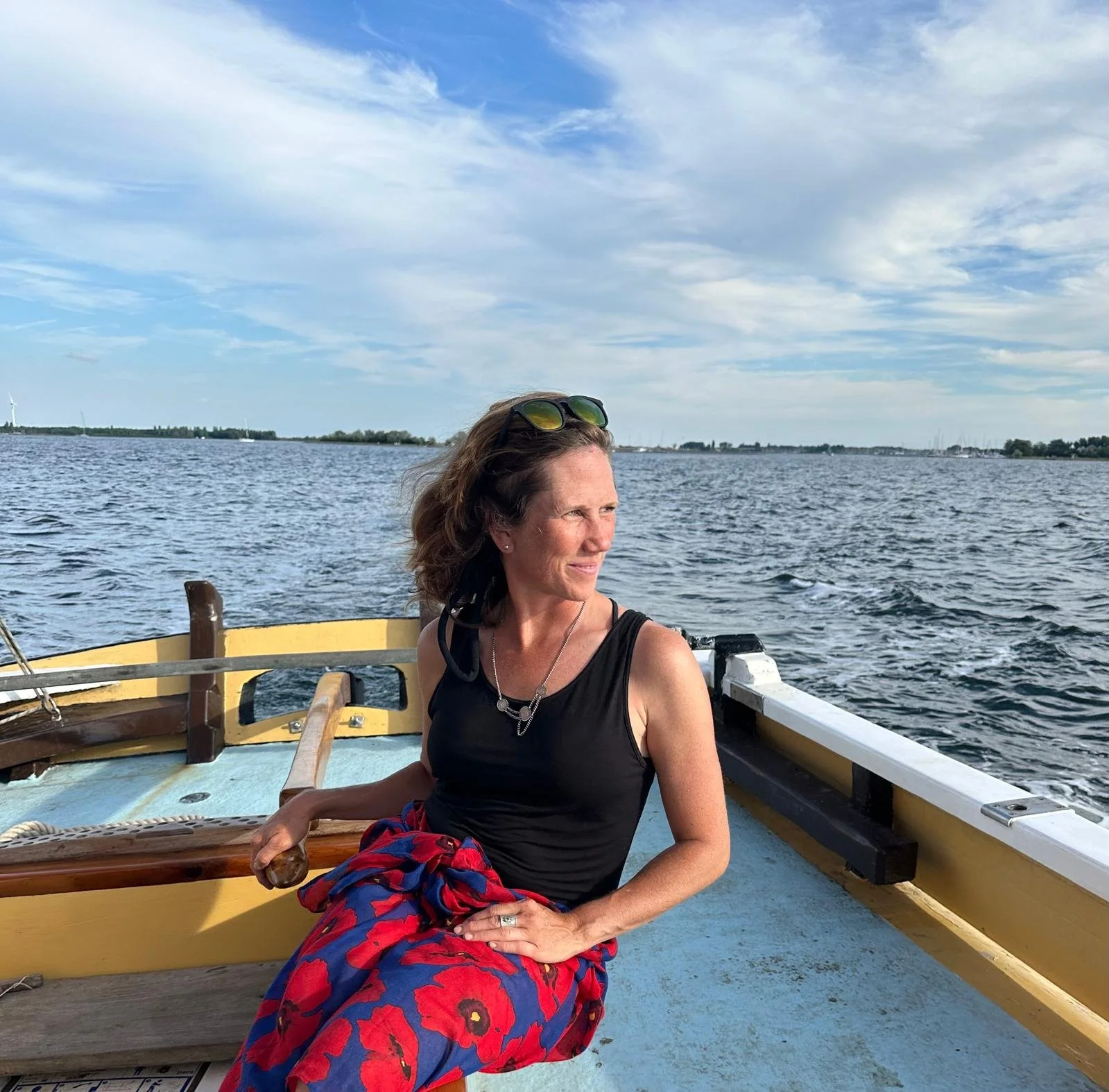
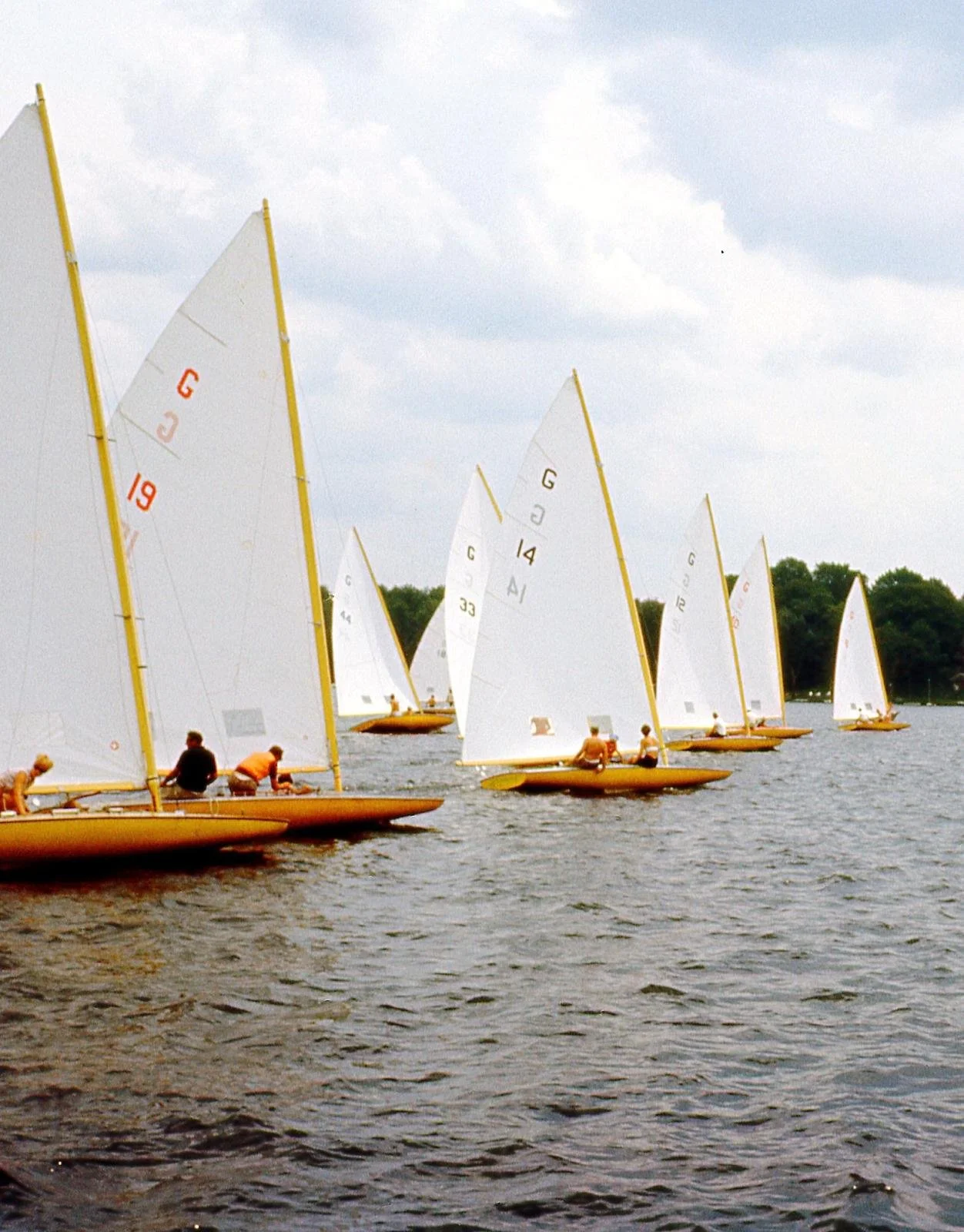
Hailing from the Great Lakes, Lisa grew up five minutes from Lake Michigan in a family where water wasn’t just a real estate perk, it was a teacher.
Her father is an engineer, woodworker and metallurgist. Their home life revolved around sheds full of tools, hardwoods stacked and labelled, half-built hulls, metal fittings on workbenches, ideas in motion. She grew up watching boats take shape from raw materials, learning the grain of mahogany, the weight of oak, the patience required in making.
Water, she says, was always treated as sacred. Not in a ceremonial sense, but in the deeply practical, Midwestern way of knowing that if you live beside 30% of the world’s freshwater, you protect it. You pay attention to runoff. You notice pollution. You understand that what enters a tributary eventually reaches somewhere bigger.
Those early years shaped her more than any degree ever could.
And yet, there were degrees. Lisa trained as an anthropologist, a discipline that studies how humans organise themselves, how cultures form, how systems endure and collapse. It’s a field with colonial roots, which she’s acutely aware of, and that awareness has shaped how she moves through the world now: with curiosity, humility, and an insistence on partnership rather than extraction.
Her professional life has been wide-ranging. Two decades spanning nonprofit work, corporate strategy, food systems, regenerative agriculture, experience design. If you look at her CV alone, you might think it zigzags. If you listen to her speak, you realise there’s been a steady through-line: living systems.
Food systems. Craft heritage. Waterways. Community design.
The same questions keep appearing in different forms:
- How do we live well without extraction?
- How do we repair without romanticising?
- How do we build systems that nourish rather than consume?
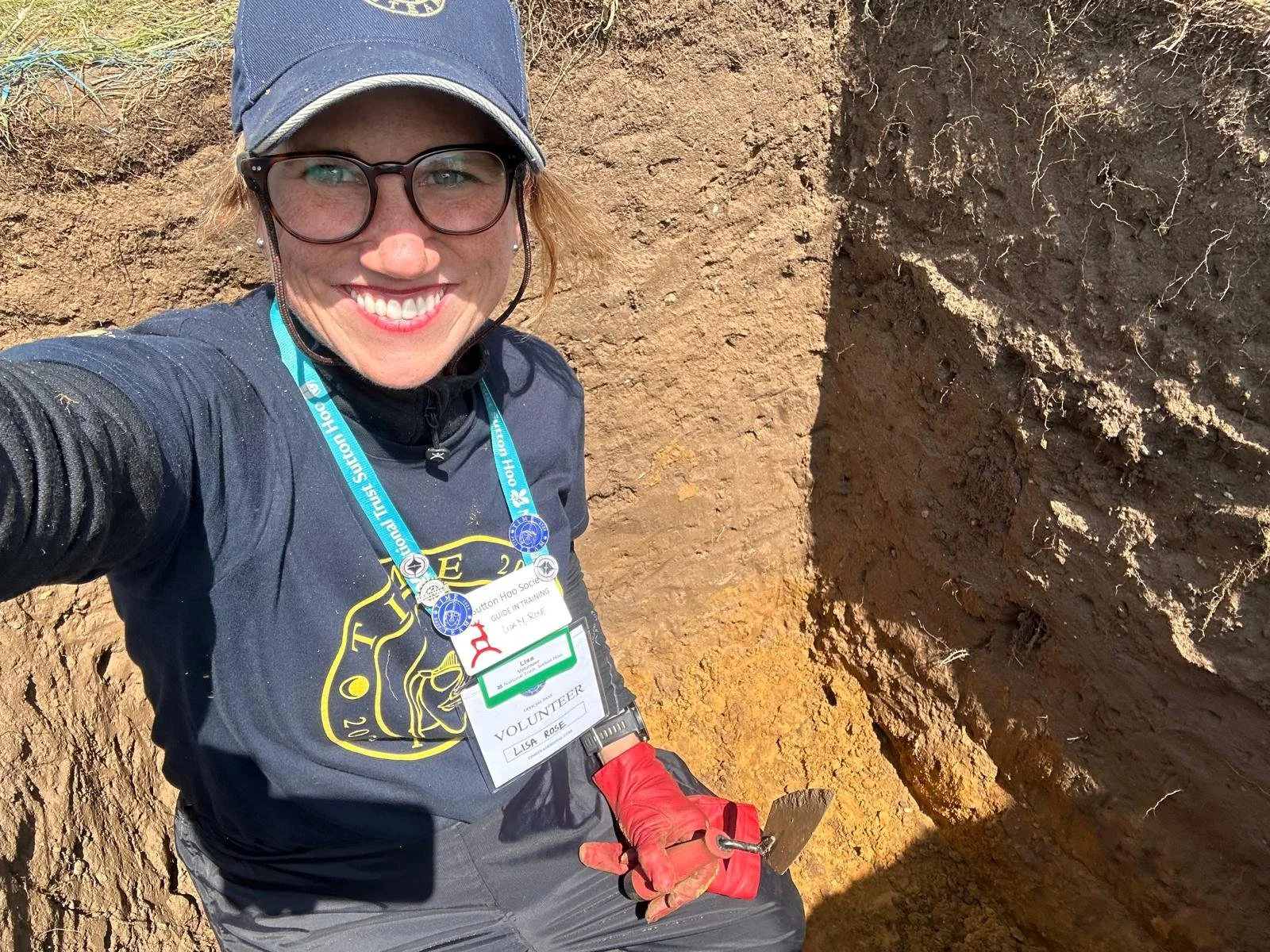
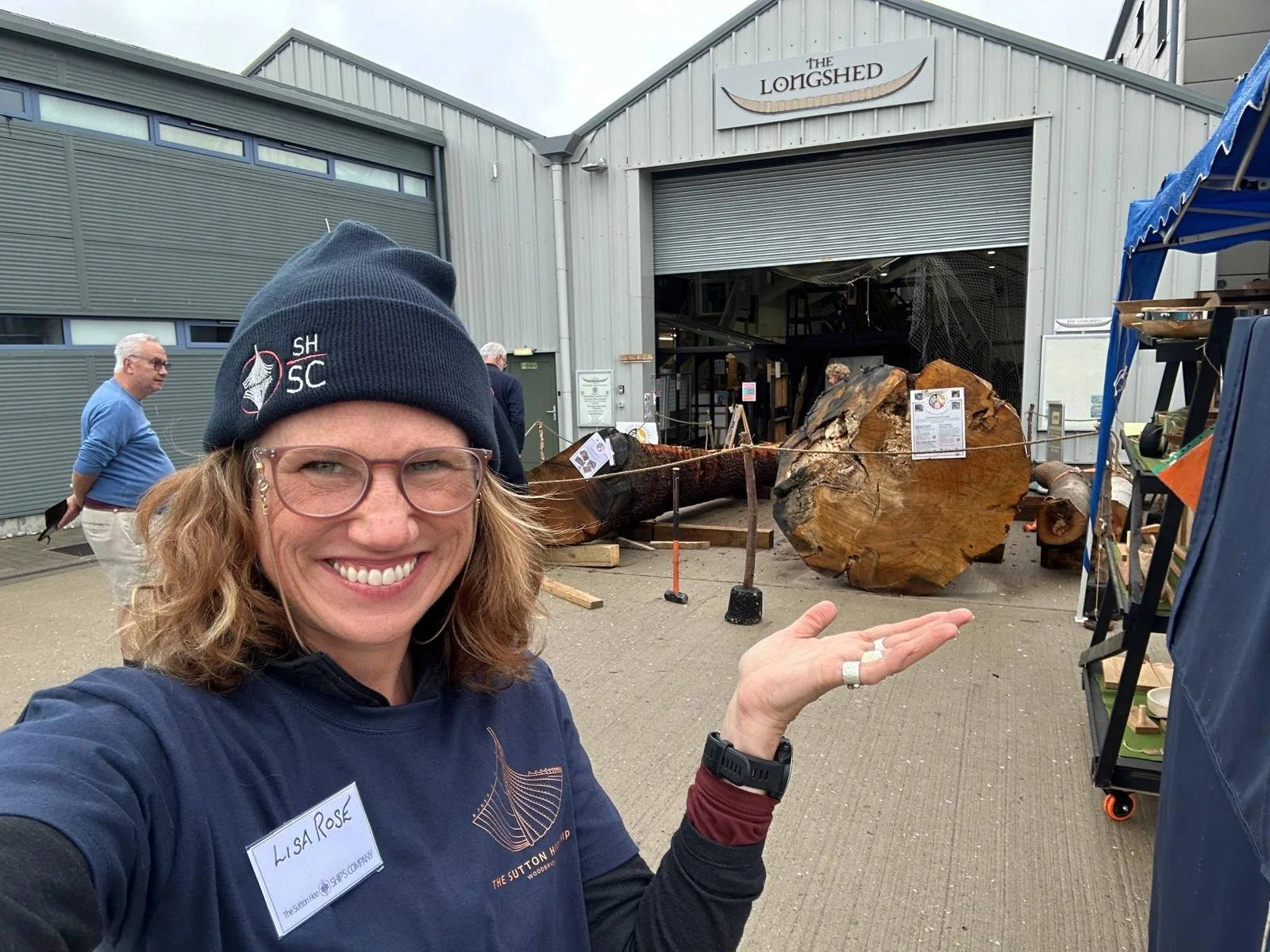
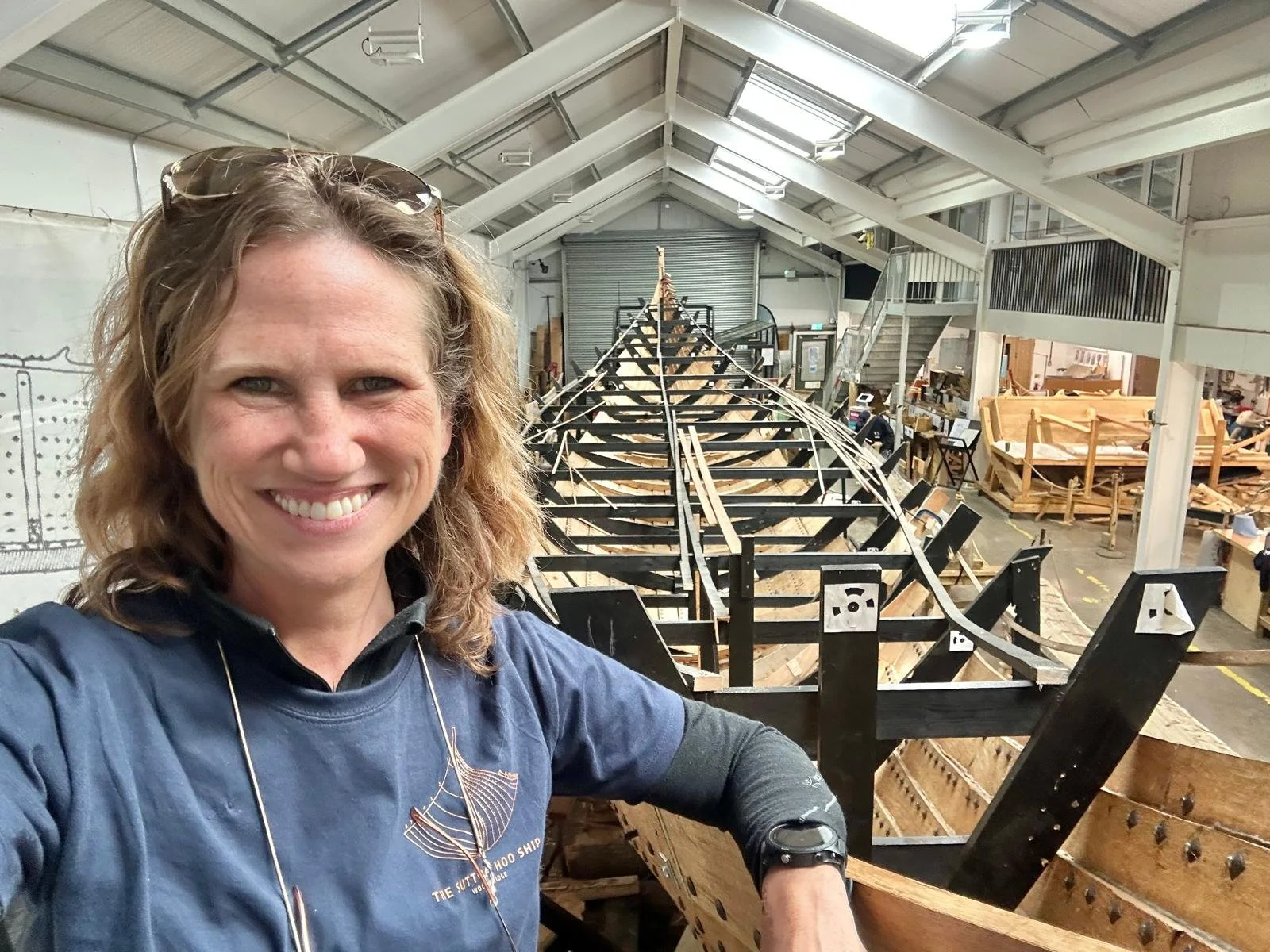
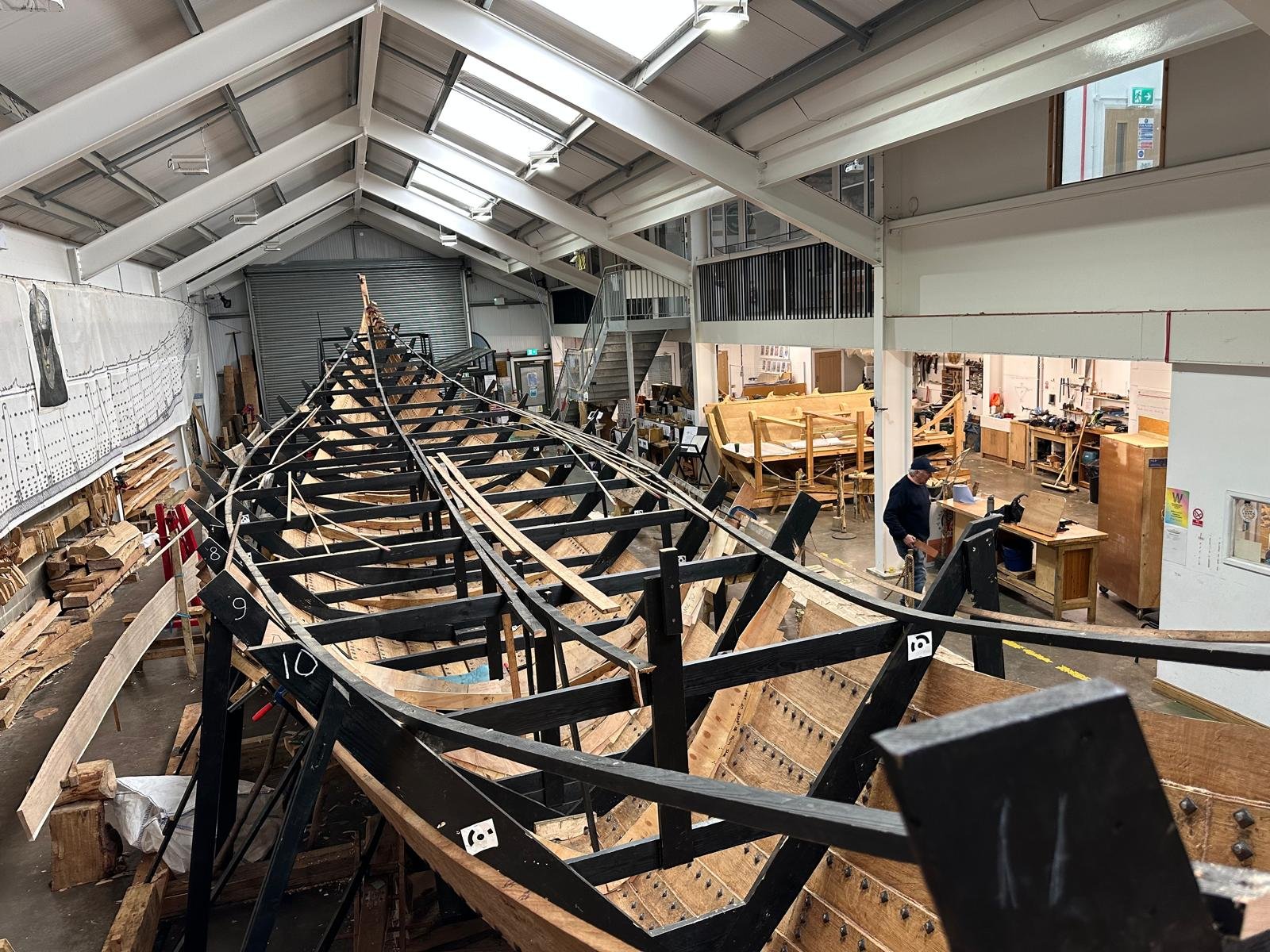
When she moved to Suffolk last year, it wasn’t random. It was magnetic. Sutton Hoo, the 7th-century Anglo-Saxon burial site where a 25-metre clinker-built ship was discovered, became a new chapter in her lifelong relationship with boats. She became involved with the Sutton Hoo Ships Company, working on the reconstructive archaeology project rebuilding that longship using traditional methods.
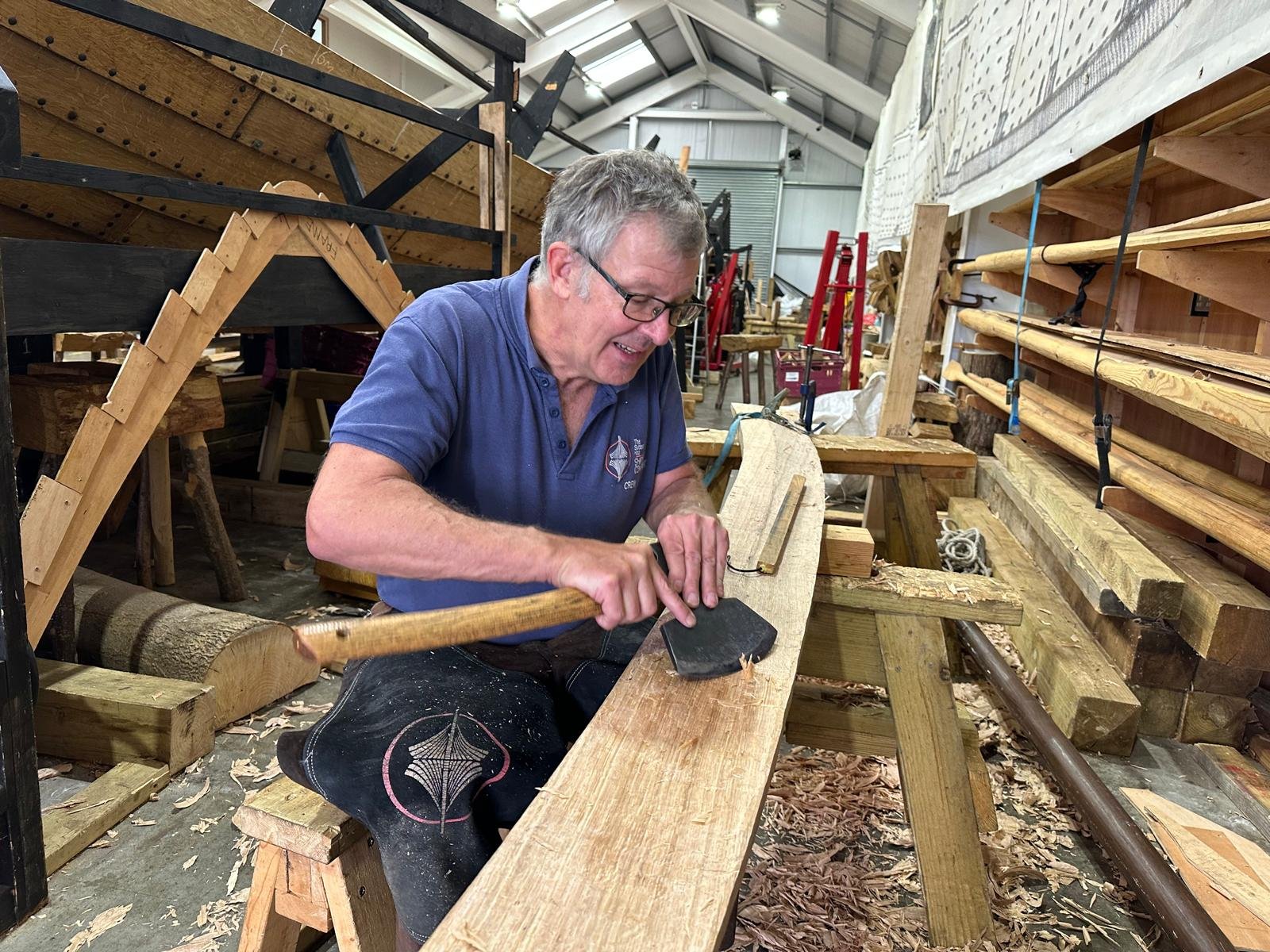
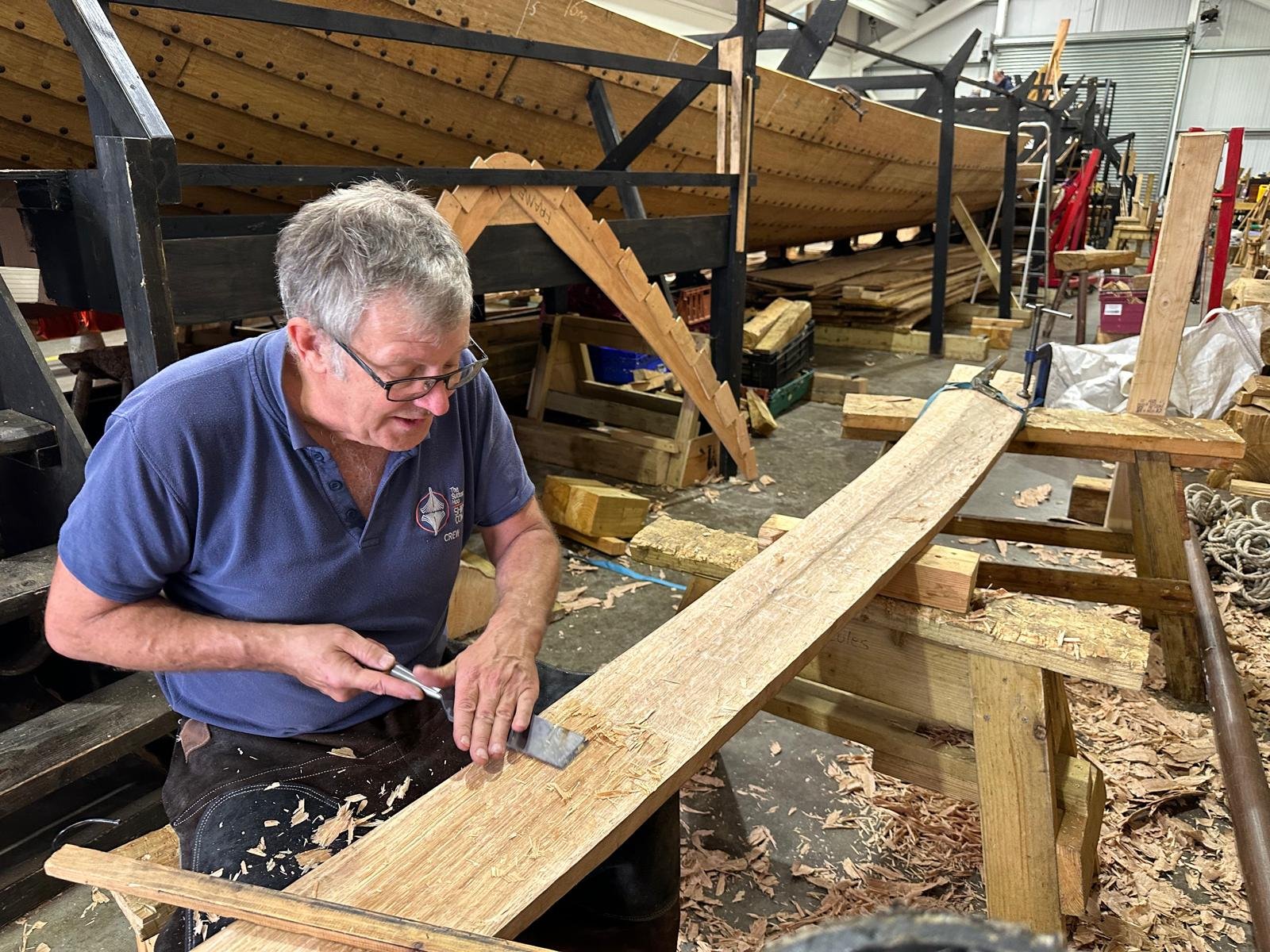
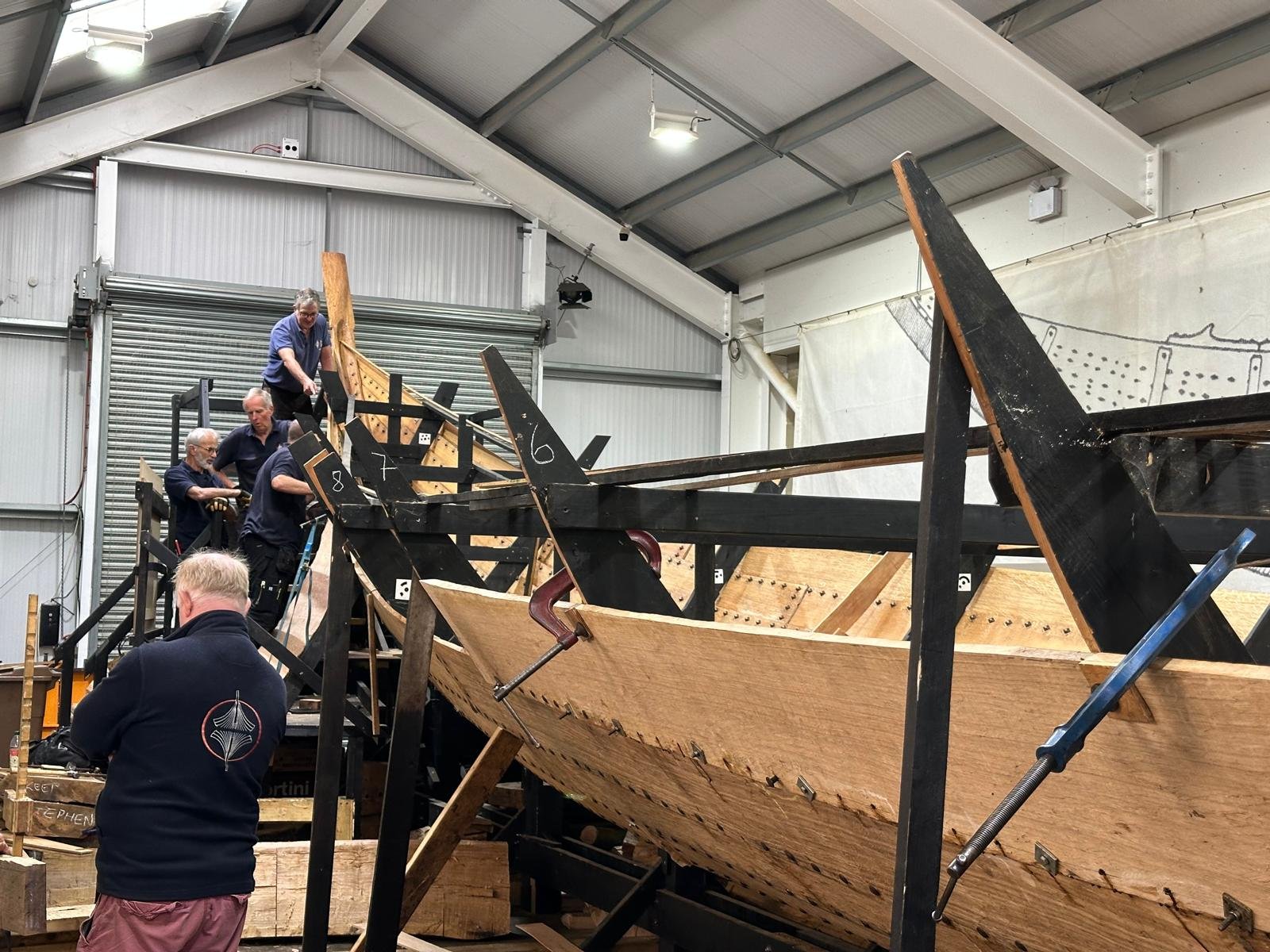
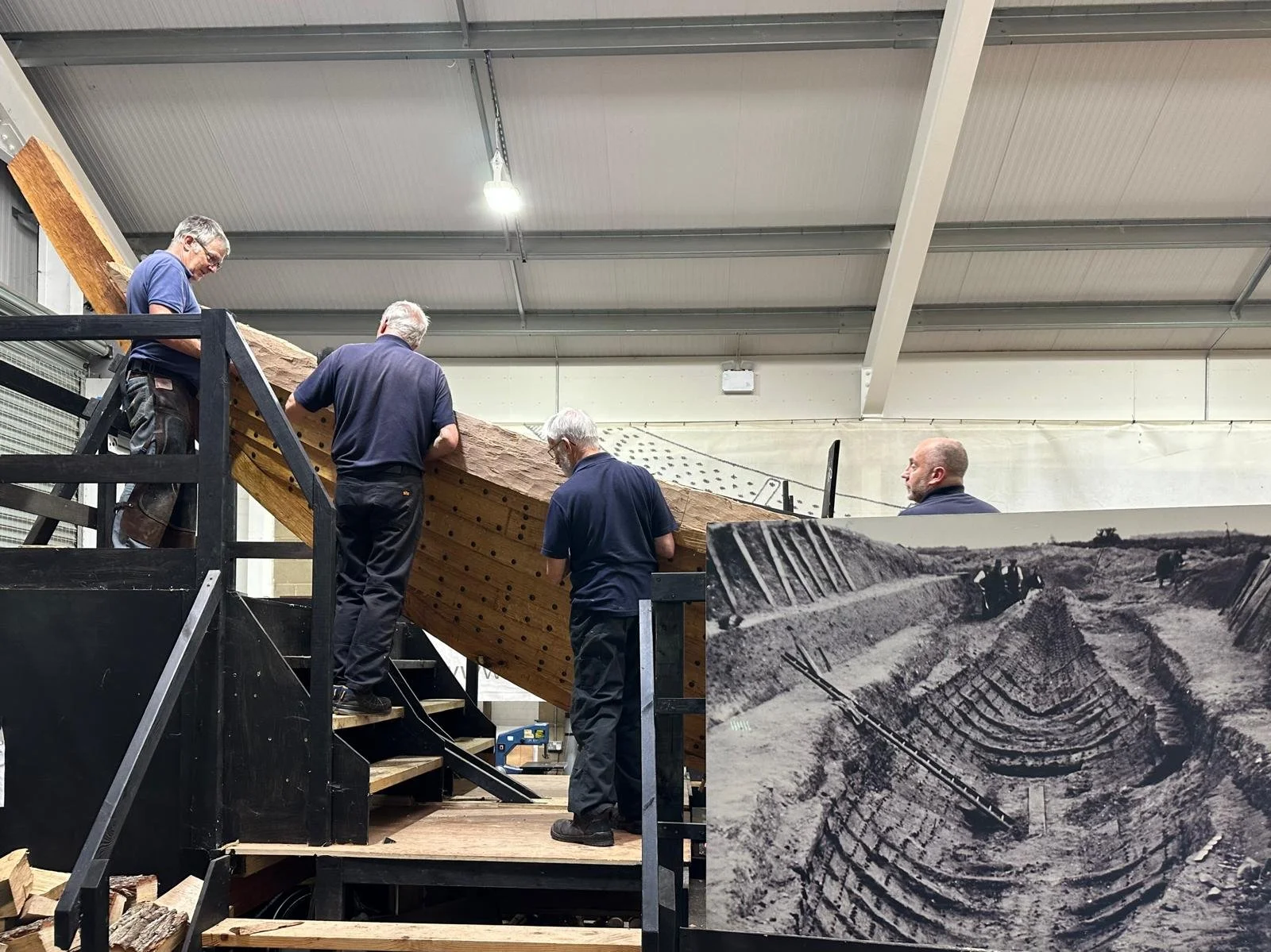
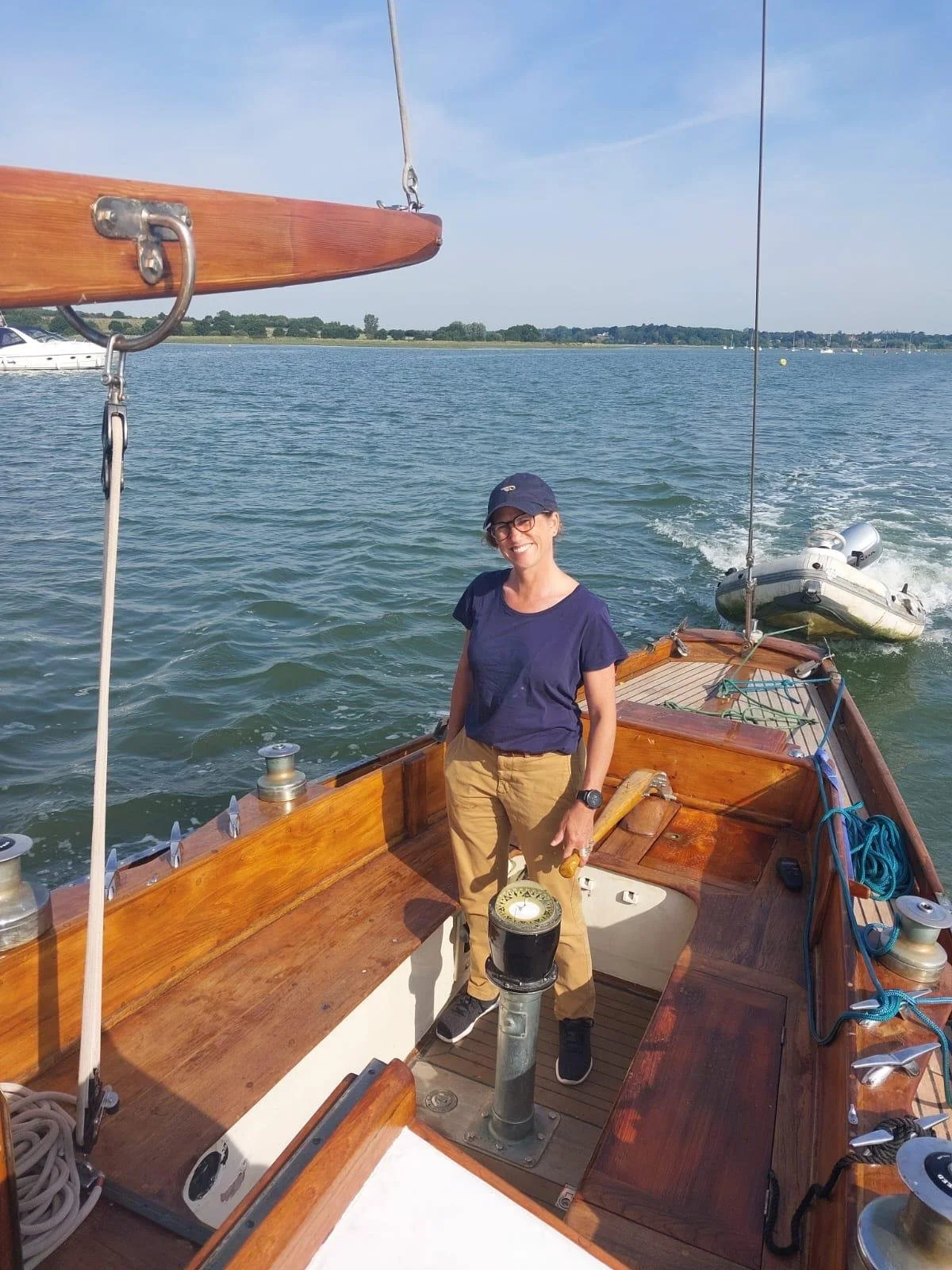
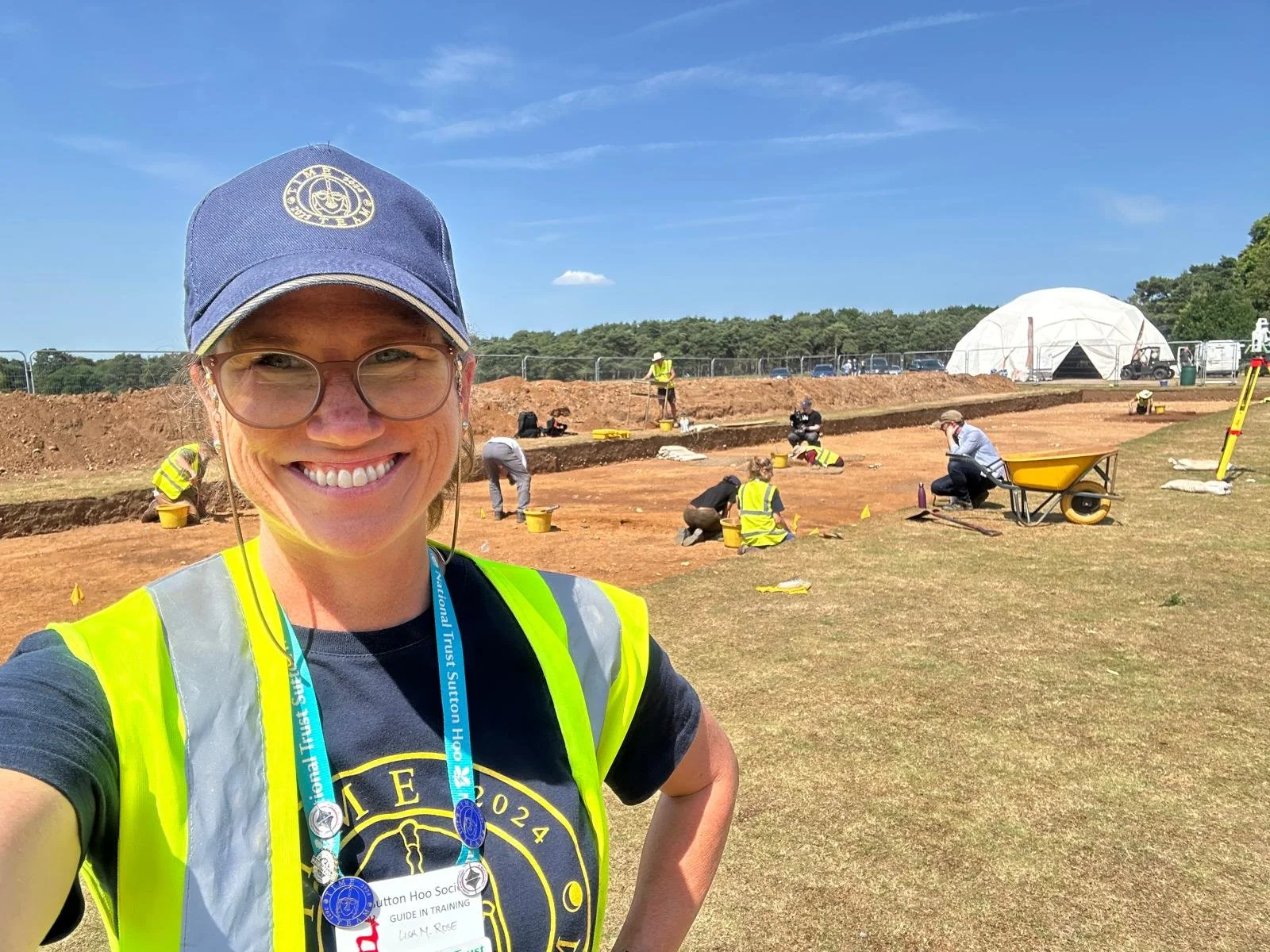
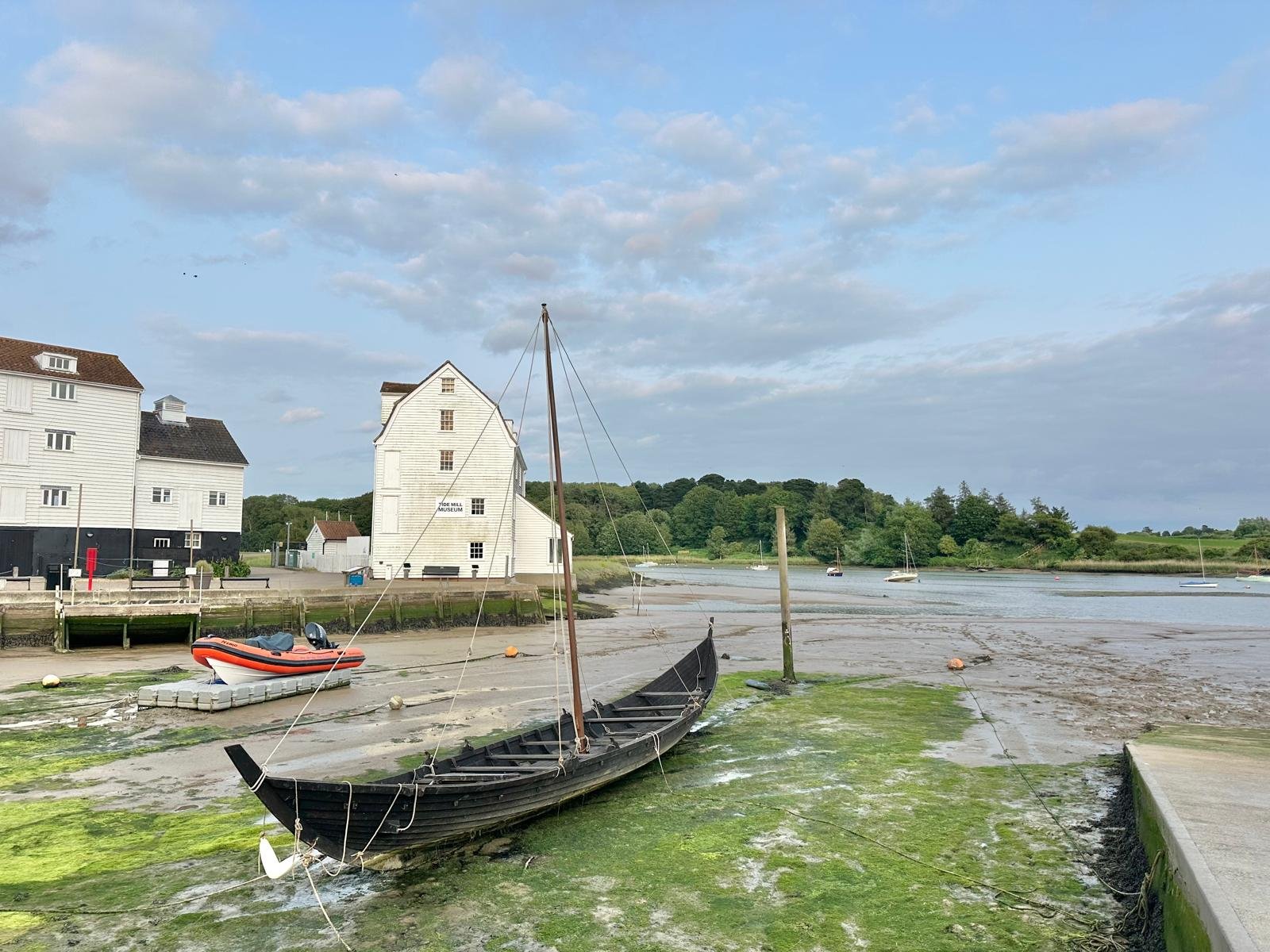
If you’ve ever wondered what it looks like to cleave fresh English oak by hand, to shape planks with edge tools that have barely changed in centuries, to rebuild not just a vessel but a memory, Lisa can tell you.
And this is where it becomes particularly compelling for our community.
Because Lisa doesn’t romanticise the past. She’s not interested in nostalgia for nostalgia’s sake. What fascinates her — and what aligns so deeply with Floating Stories Lab — is how traditional knowledge can inform future design. How remembering forward (as Australian academic and author Tyson Yunkaporta phrases it) can inform regenerative innovation.
In our conversation, she moves fluidly between the longship buried in a Suffolk hillside and the ghost boats we map in Breton and Briton estuaries. Between clinker-built oak hulls and deteriorating GRP. Between the joy of building something with your hands and the systemic challenges of marine waste.
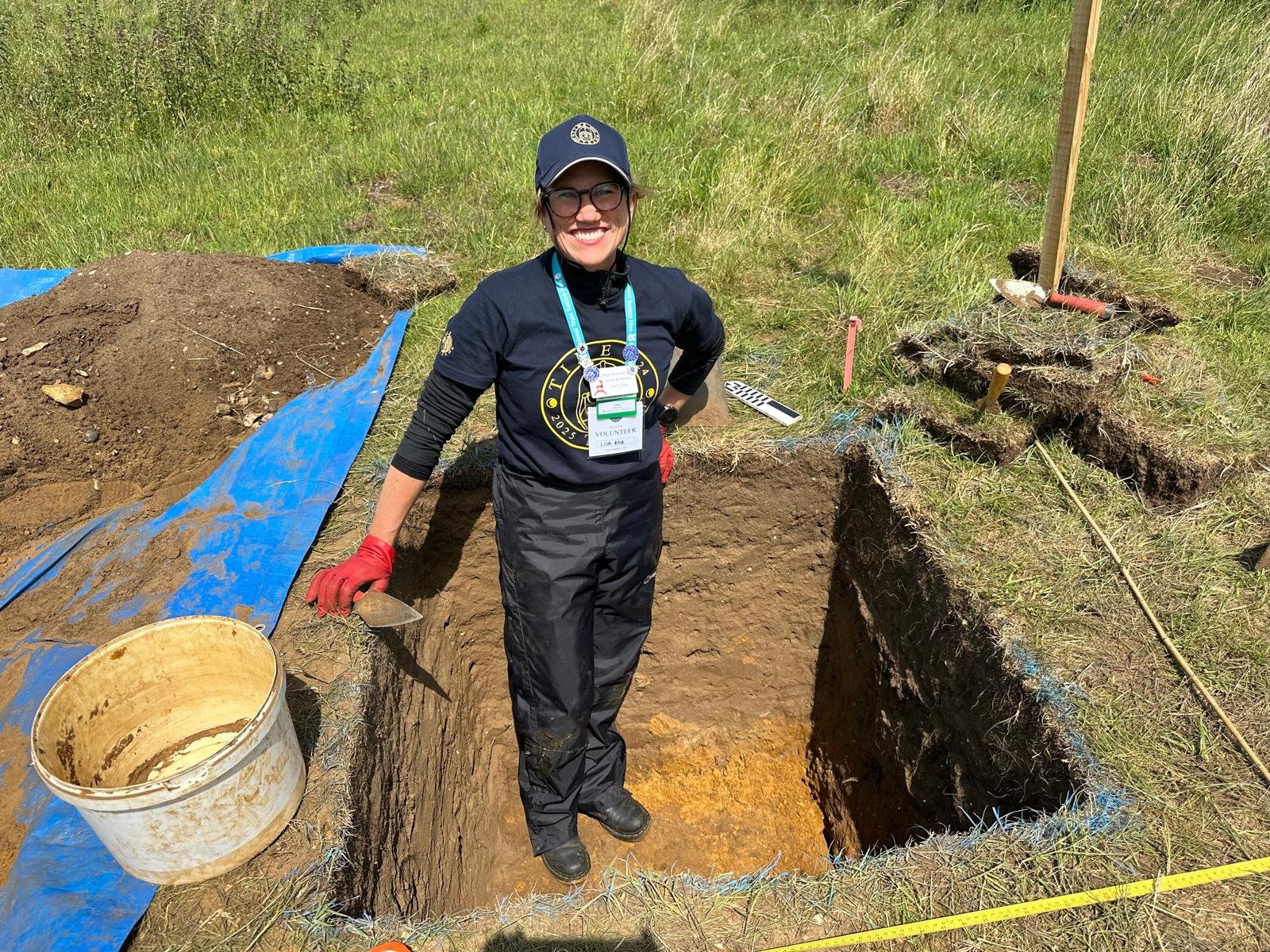
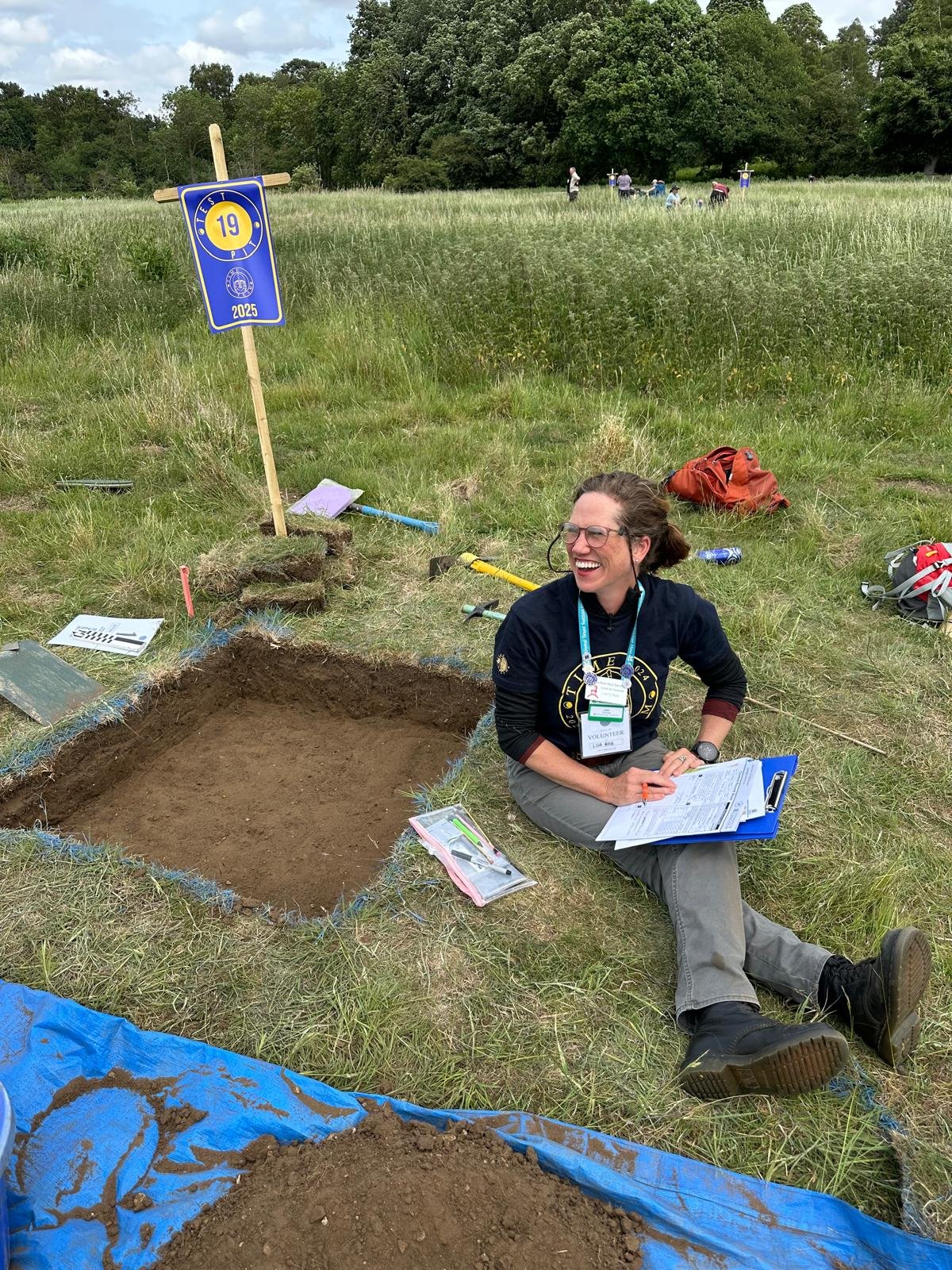
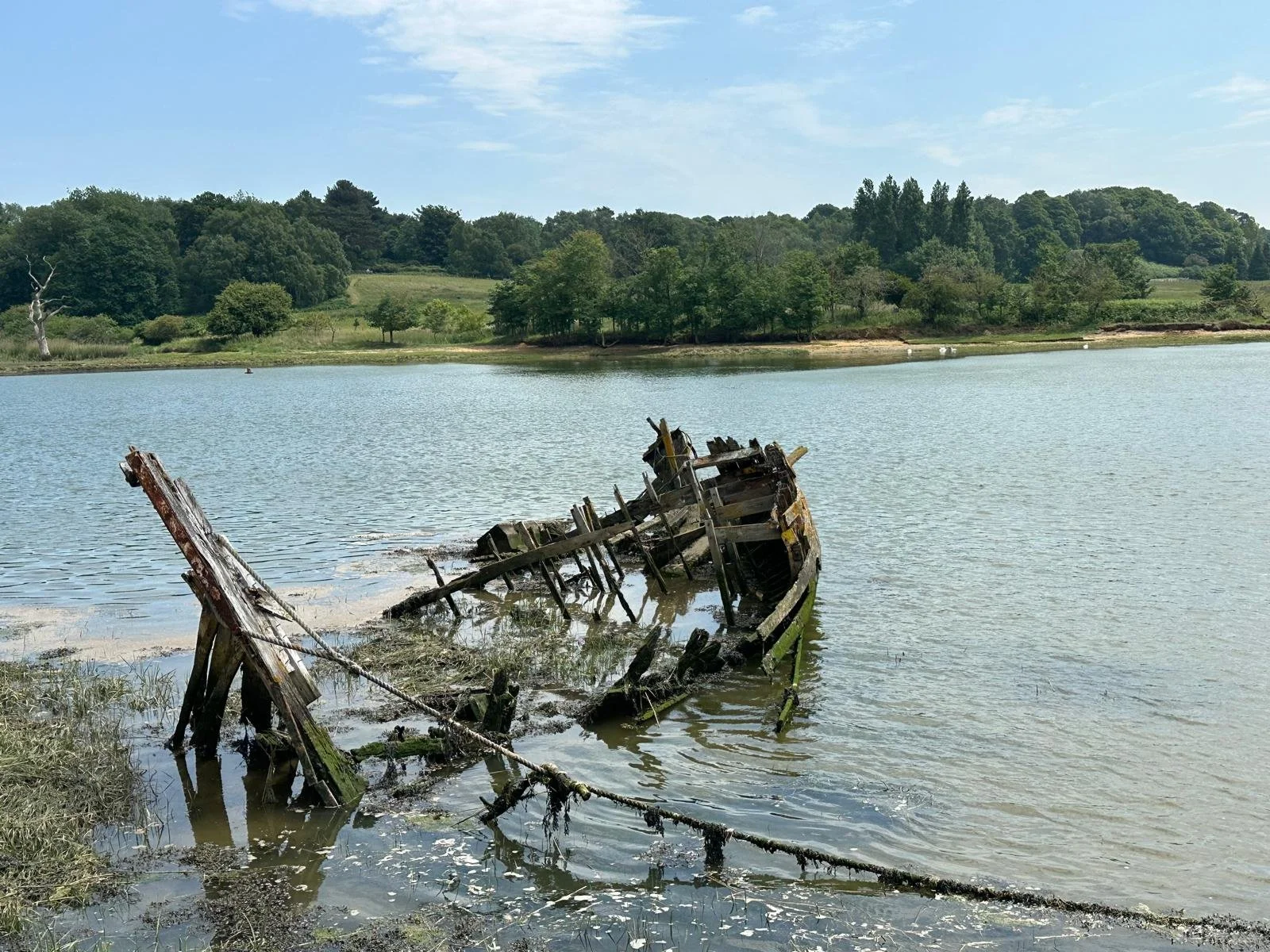
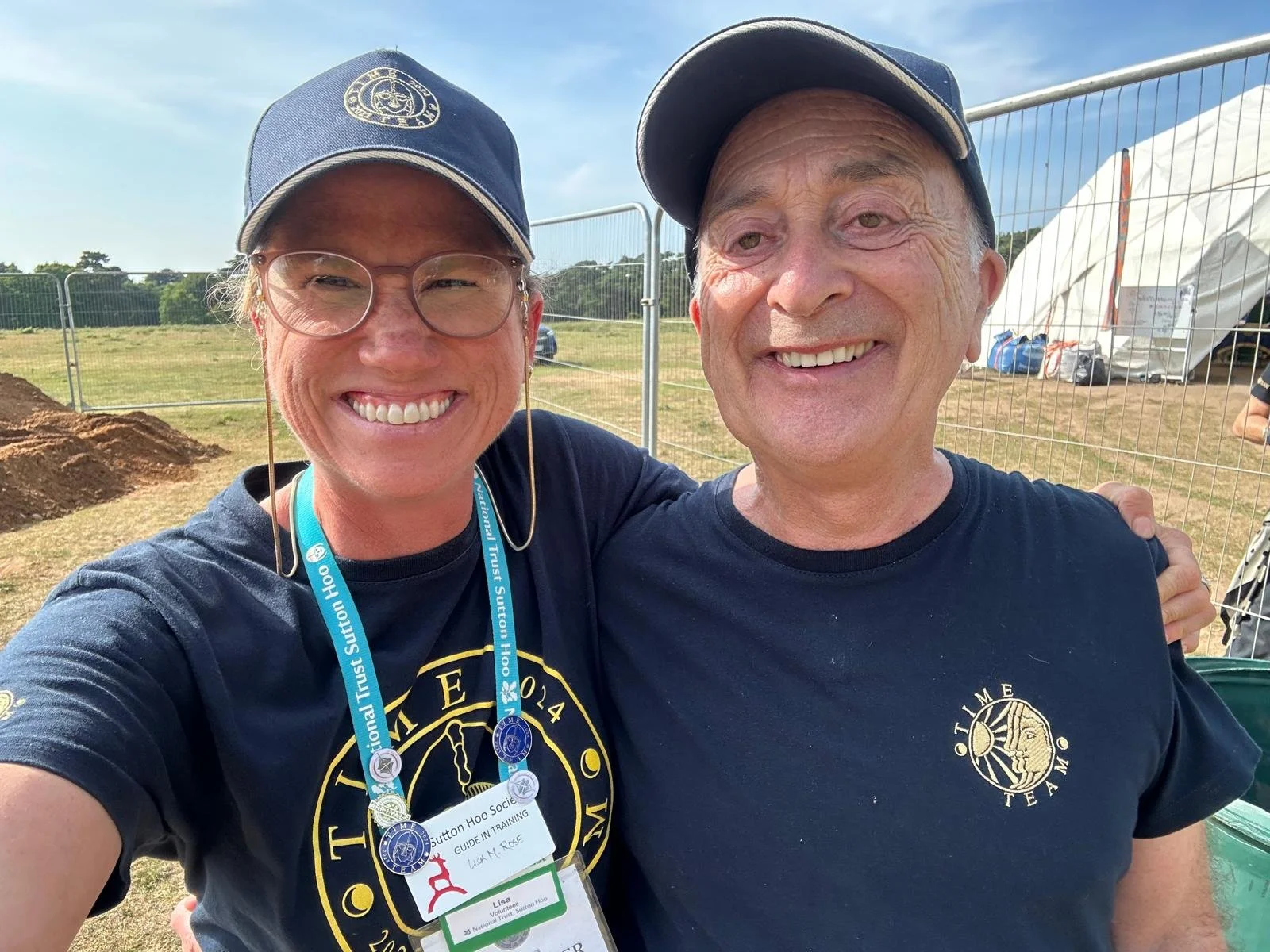
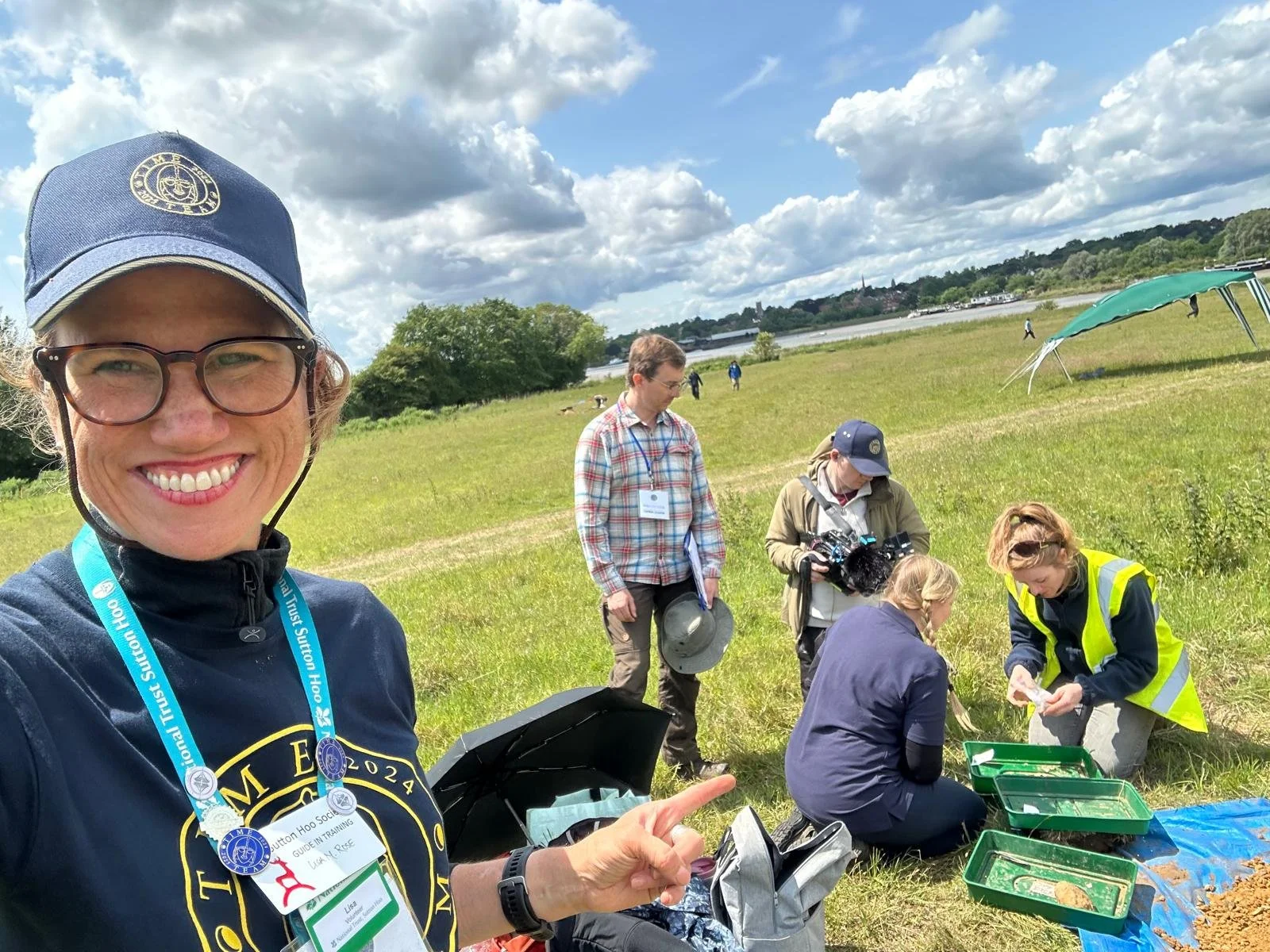
What struck me most is her steadiness (and her infectious smile!).
Lisa speaks about “pause” not as withdrawal, but as a regenerative practice. As resistance to a system that consumes humans as readily as fossil fuels. She is currently taking what she calls a sabbatical season in Cowes (writing, reflecting, sailing, recalibrating) asking herself where she can add the most value next. It is a deliberate choice, one that many of us rarely give ourselves permission to make.
There’s courage in that.
There’s also warmth. Lisa lights up when talking about intergenerational knowledge transfer — grandparents volunteering in boat sheds, children setting tables in edible schoolyard kitchens, families building small clinker dinghies together over a weekend. She believes in connection as strategy. In joy as infrastructure. In feeding people as policy.
You’ll hear it in the episode.
You’ll also hear how her Great Lakes upbringing, composting before it was fashionable, gardening out of necessity rather than trend, understanding water as life, still shapes every decision she makes.
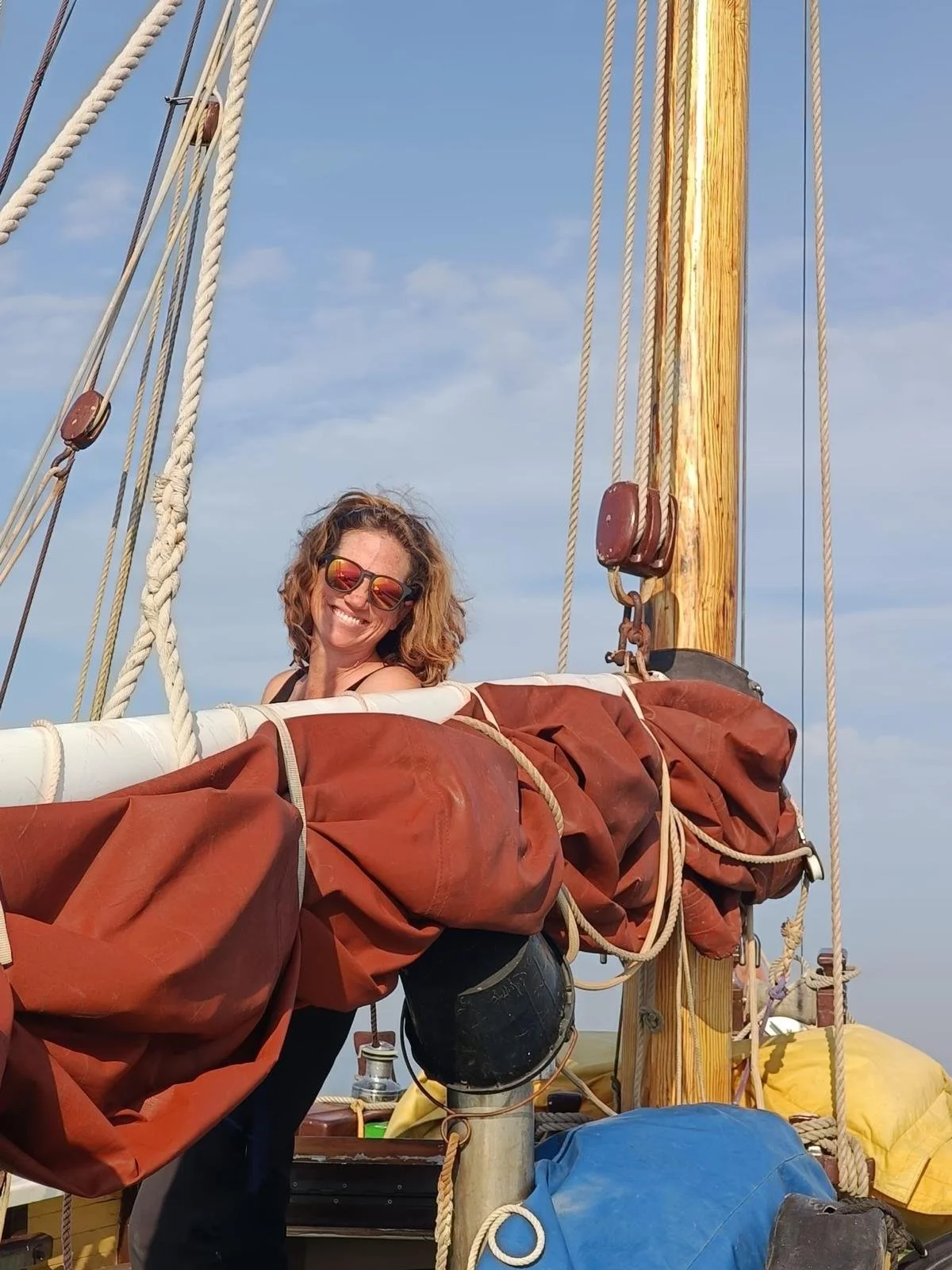
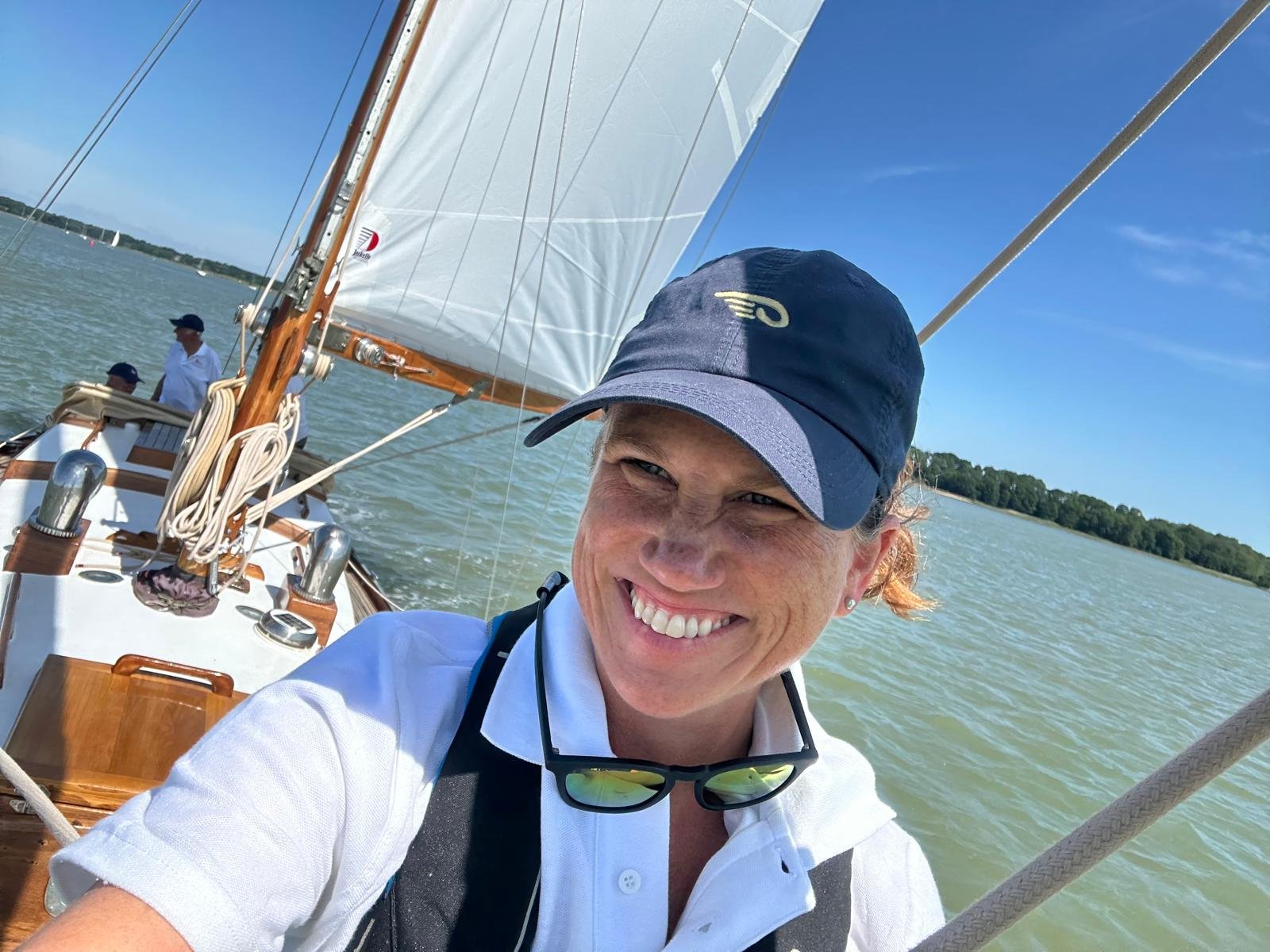
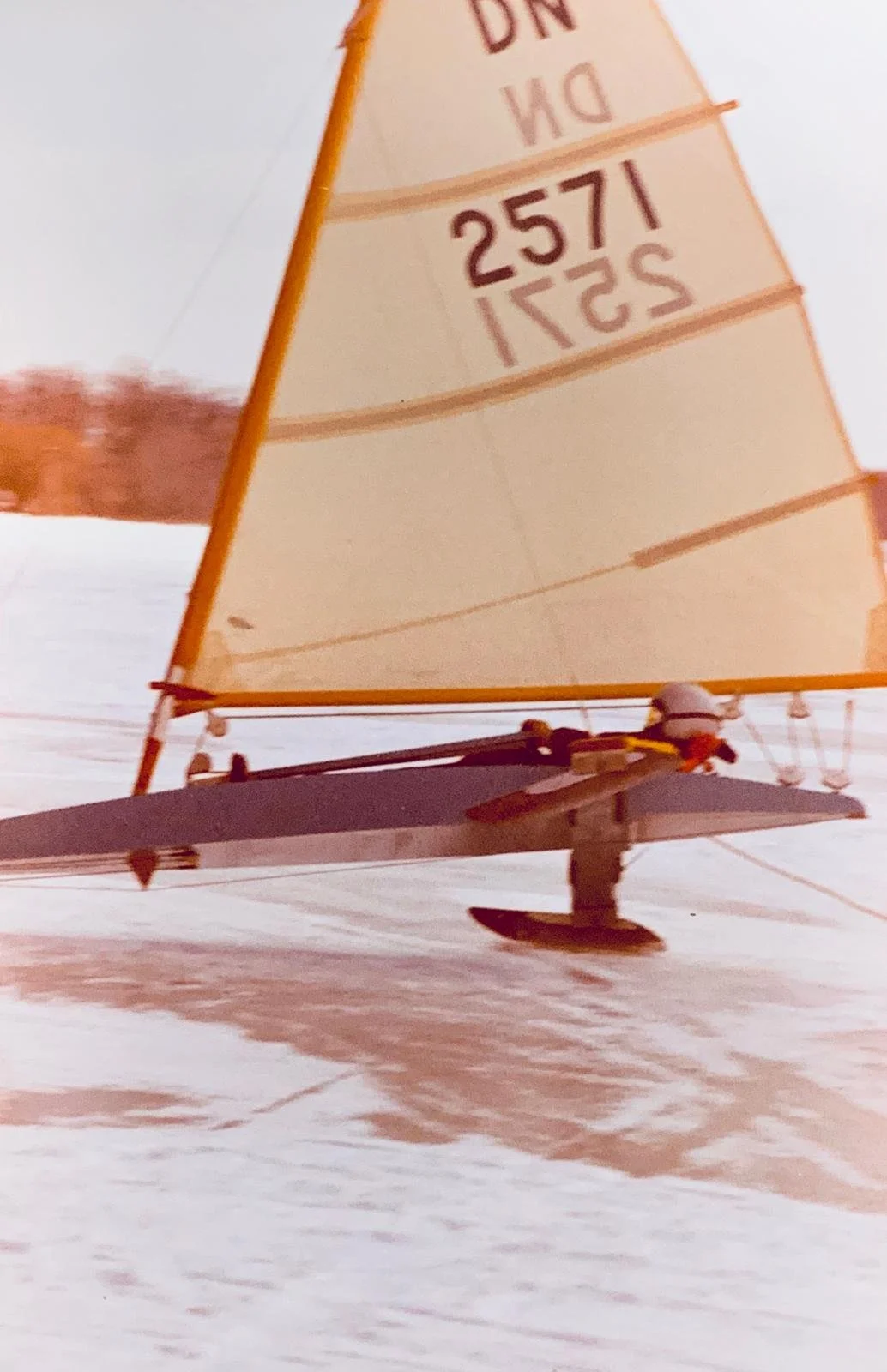
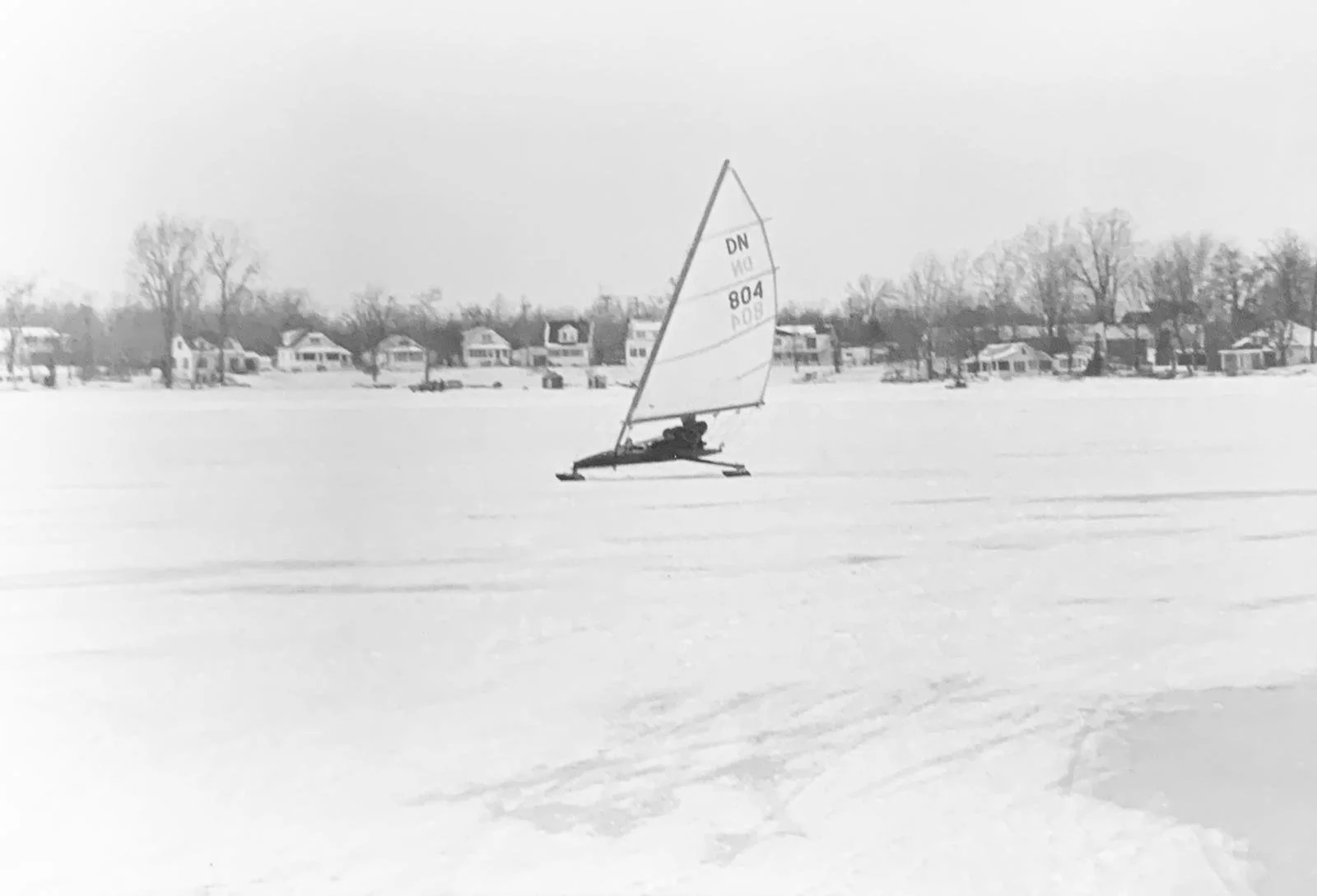
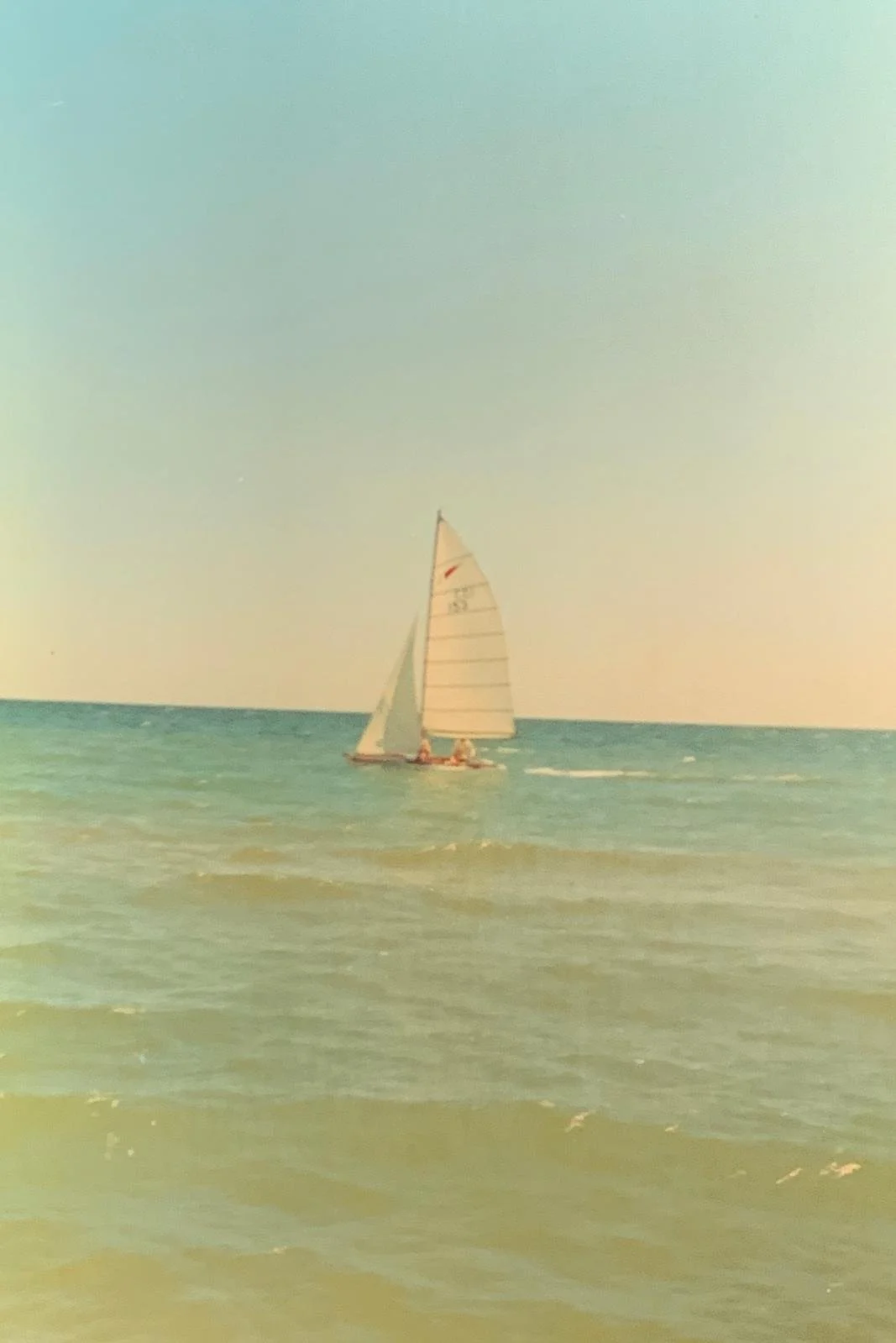
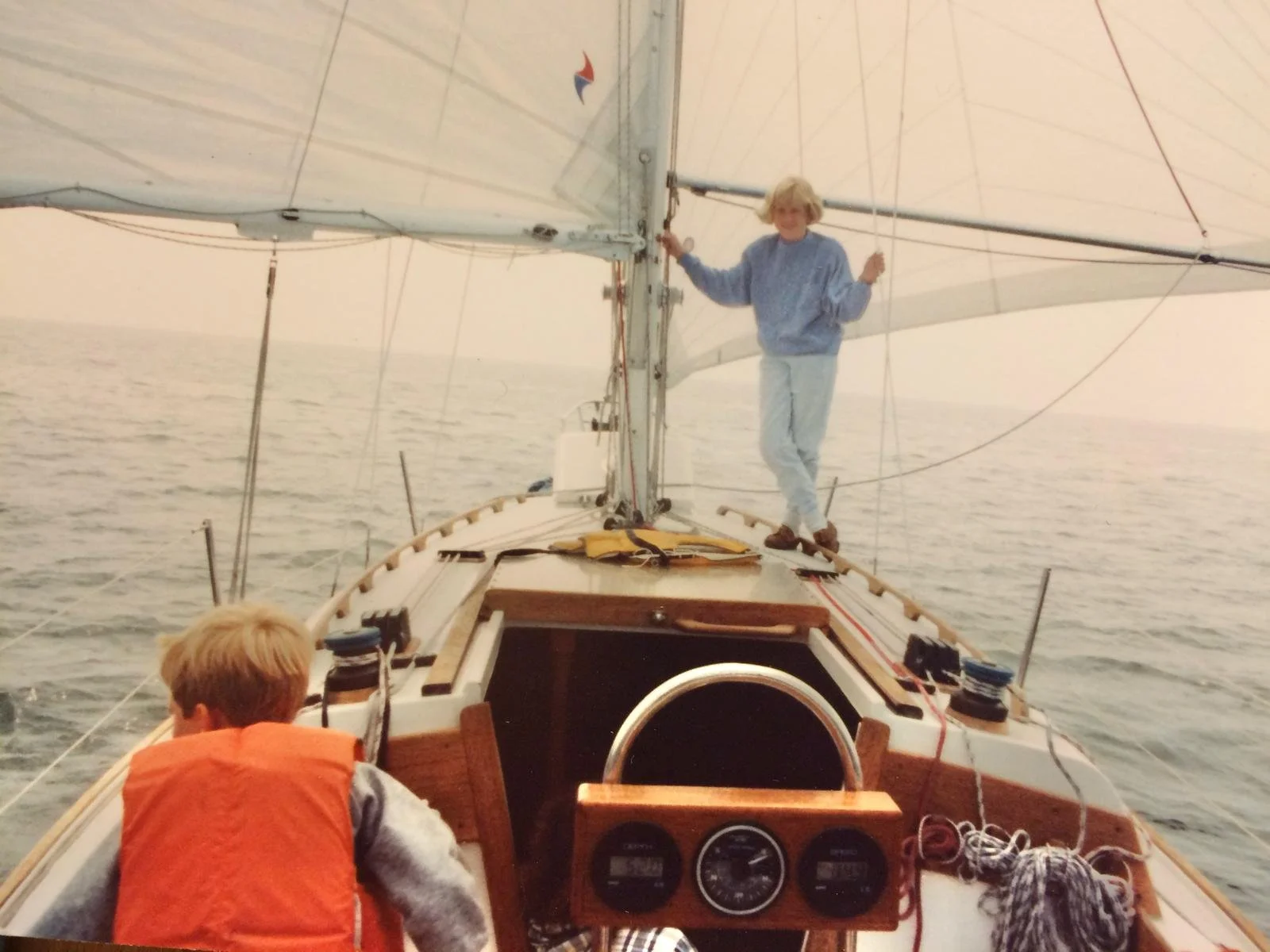
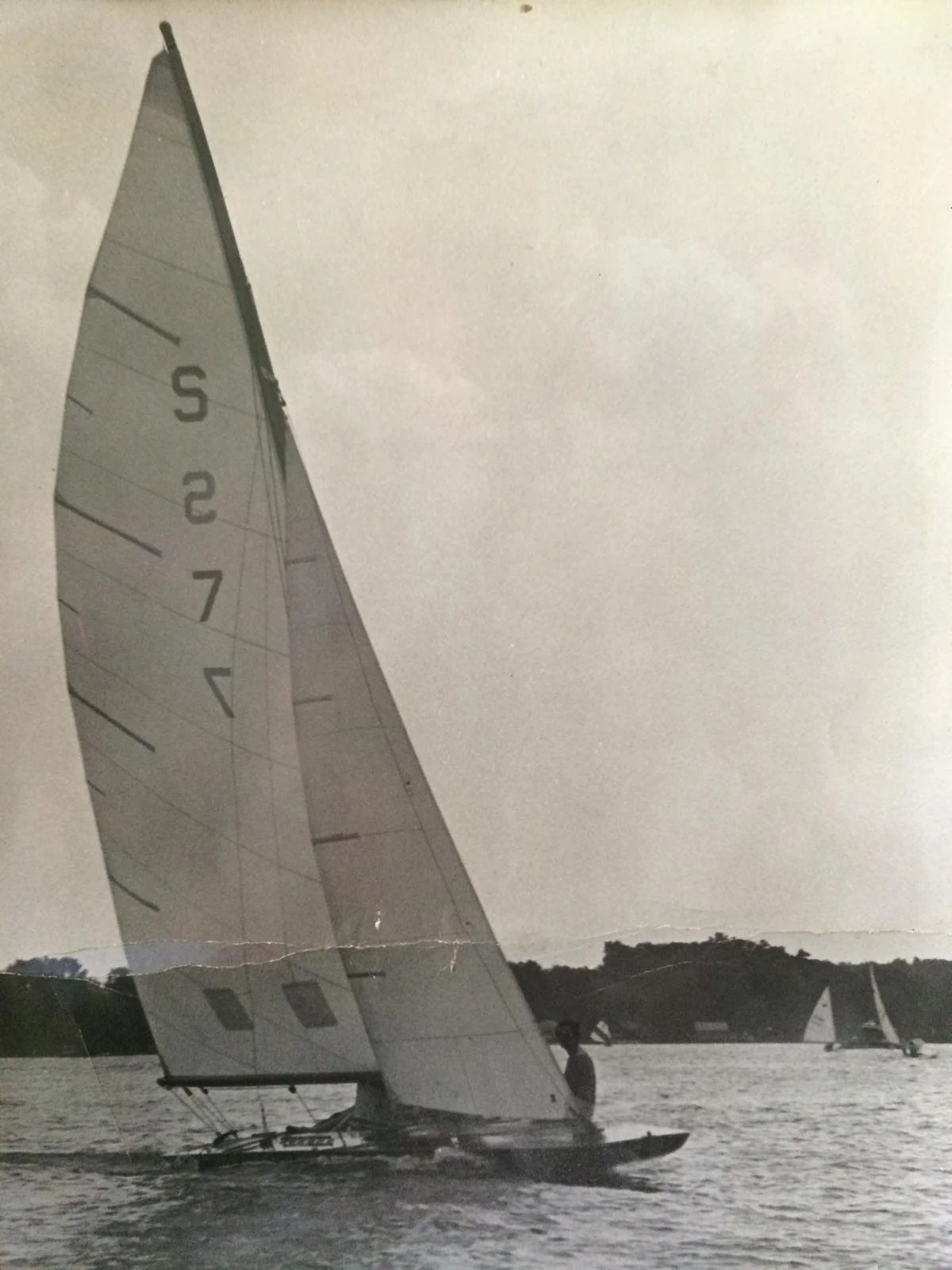
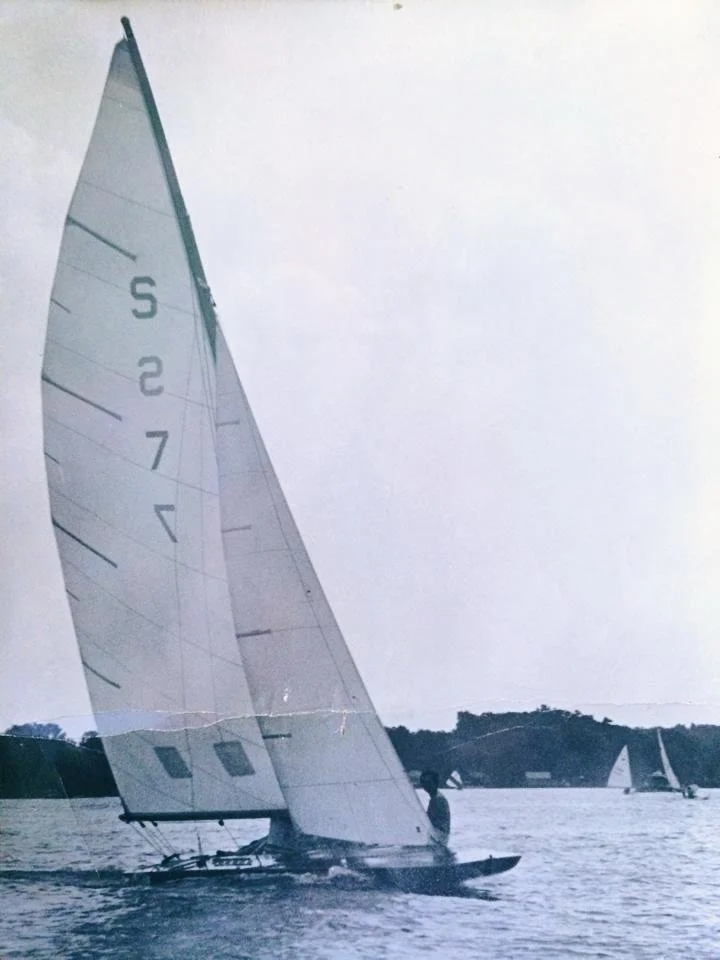
When I look at the photographs she’s shared with us, I see continuity. Not reinvention. Not branding. But an authentic life lived in relationship with water.
That’s why I wanted you all to meet her.
Because as we grapple with end-of-life boats, marine micro particulate pollution, access to the sea, and how to rebuild custodianship in fractured times, we need people who can hold complexity without collapsing into despair. We need anthropologists who understand systems. Sailors who understand materials. Mothers who understand food. Designers who understand experience.
And we need conversations that weave all of that together.
Our Fire Pit Talks episode with Lisa Rose does exactly that.
Pour a cup of tea (or a glass of something sparkling), settle in, and listen.
Episode Notes
In this episode of Fire Pit Talks, Angie Richard sits down with anthropologist, experience designer and storyteller Lisa M. Rose, MPA for a conversation that travels from the Great Lakes to Sutton Hoo’s Anglo-Saxon longship reconstruction to the Isle of Wight and today’s global crisis of abandoned “ghost boats” and marine pollution. Lisa shares her work with the Sutton Hoo Ships Company in Suffolk, where a 7th-century clinker-built ship is being reconstructed using traditional methods. Together, we explore what reconstructive archaeology, craft heritage, and traditional ecological knowledge can teach us about modern boatbuilding, materials, and responsibility. The conversation weaves through:
End-of-life fiberglass boats and polluted waterways
Citizen science as connection, not just data collection
Joy, humility, and “beginner’s mind” in complex systems work
Why pause is part of regenerative practice
Access, privilege, and who gets to love the sea