
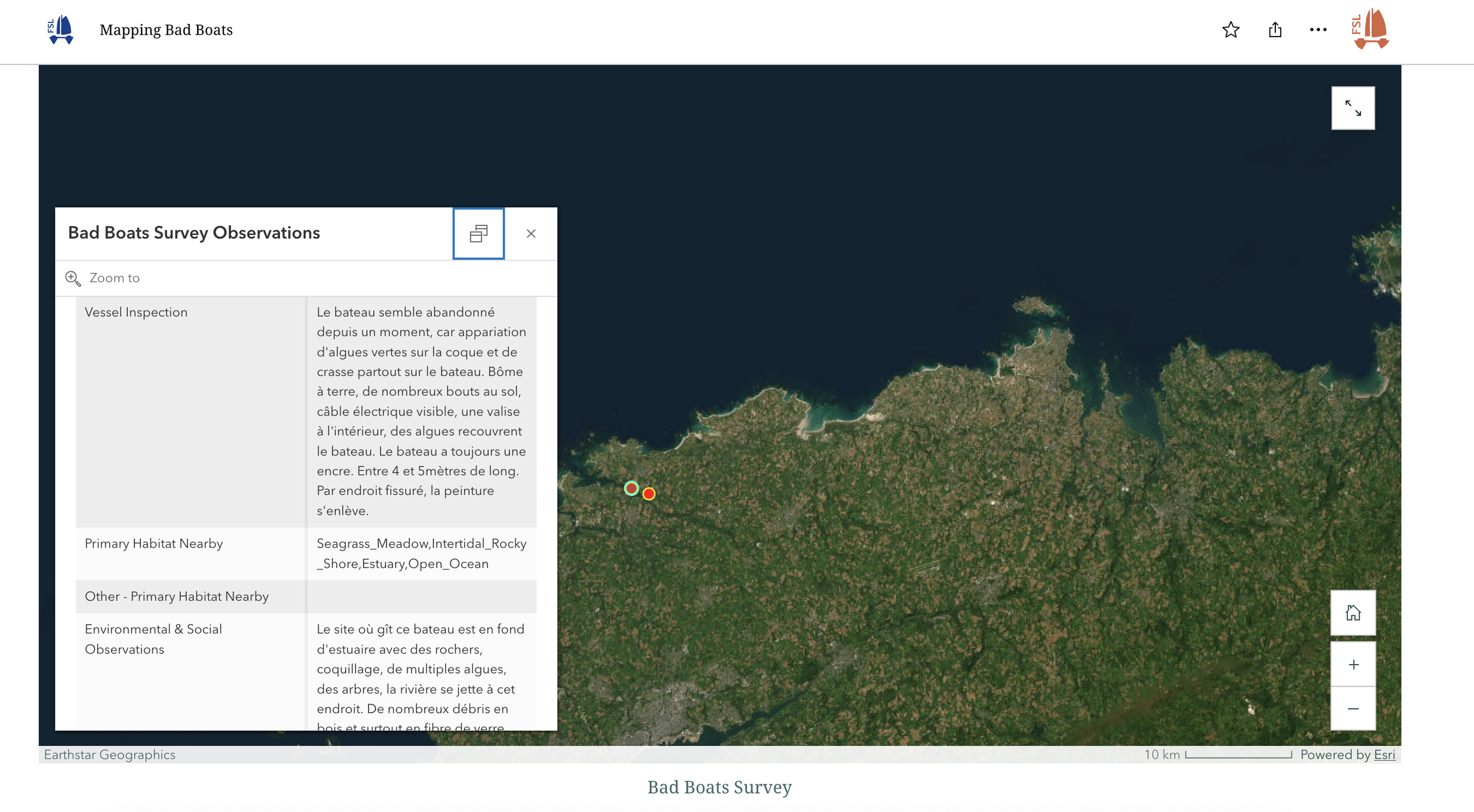
Anonymous citizen scientists have added new entries to our Bad Boats Map in an estuary in North Finistère, Bretagne, France.

Source: Bad Boats Survey
France is continually cited as being policy leaders on this issue, with its Extended Producer Responsibility (REP/EPR) scheme for pleasure/sport boats, where producers/importers finance end-of-life management, mainly via an éco-contribution integrated into the sale price of new boats.
The reality on the ground is that we have hundreds of thousands of boats reaching end of life in Europe. Since 2019, France’s eco-organisation APER has dismantled and recycled ~11,000–13,000 end-of-life boats through its official program. And yet, again in France, around 13,000 new boats were sold in 2021 (DEKRA), up from 11,000 the previous year.
As citizen scientists, we walk the estuaries and coastlines collecting data on bad boats to show that much more political will and investment is required to make a dent in this issue.
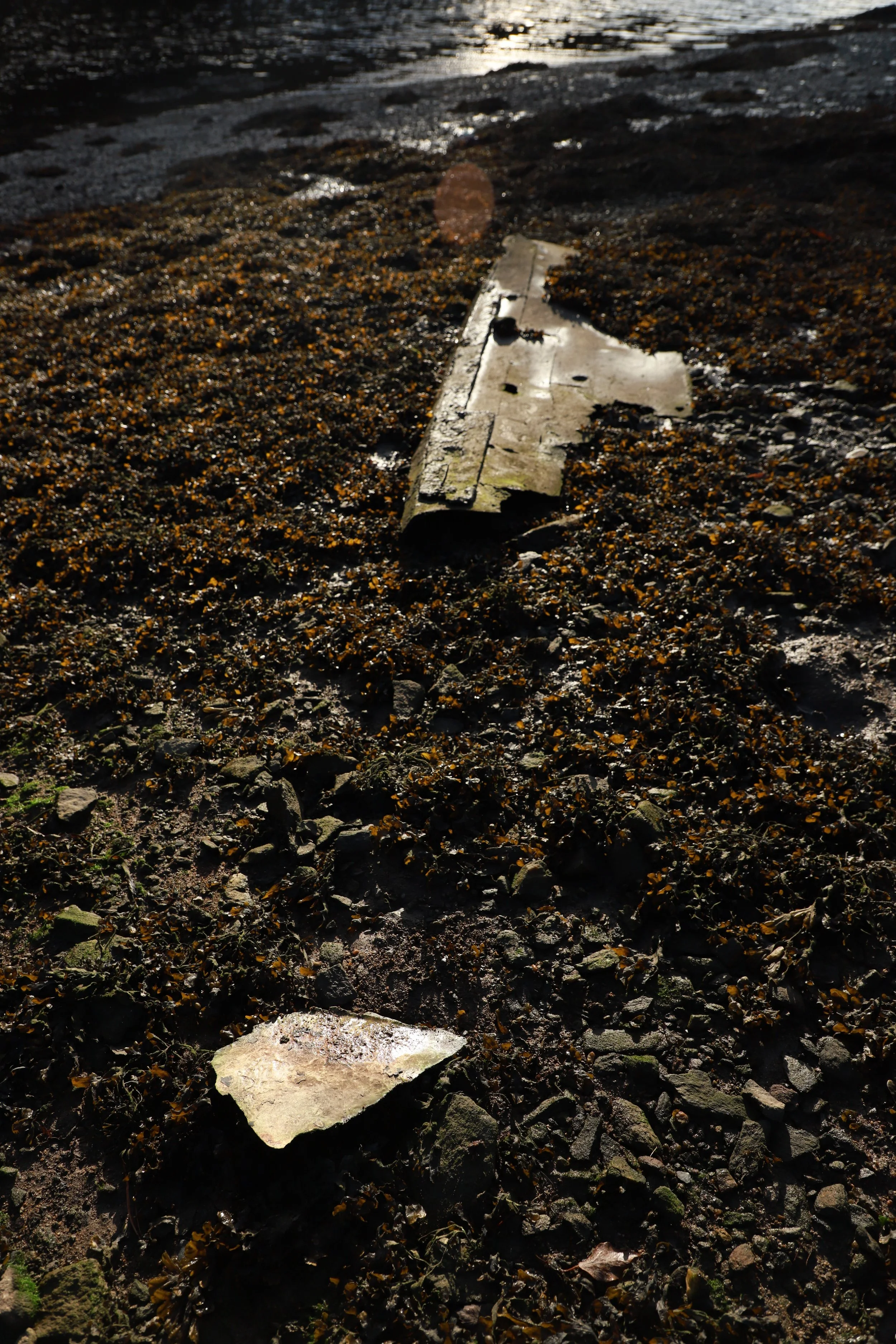
In the meantime, fiberglass, toxic resin and other chemicals, paint flakes, debris and other pollution spew from these boats in to the ecosystem to be ingested by marine life and other organisms, including humans. This is a mass pollution issue and should be top priority for coastal communities, including our local and national governments and the marine industry both at the small and large scale.
With almost 100 boats now mapped in the past few months across Bretagne and the UK, we aim to continue working with ocean-loving community members to collect this important data, supporting scientific efforts and advocating for better solutions.

Want to get involved in the ReTISS citizen science initiative?
Regenerative Tides: Sailing for Solutions (ReTISS) is a multidisciplinary citizen science initiative combining environmental research, storytelling, and community engagement to investigate the ecological and health impacts of abandoned fiberglass (GRP) boats.
Our mission is to empower coastal communities—particularly underrepresented groups—to take part in field data collection, environmental education, and policy advocacy. By engaging citizens directly, we aim to drive more sustainable marine waste management practices and promote regenerative design in the boating industry.
