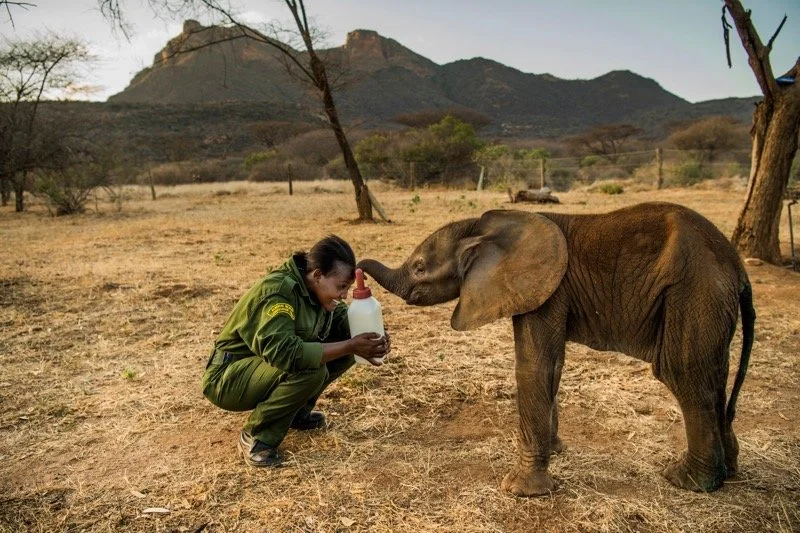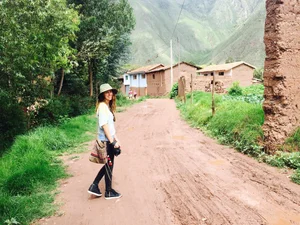
Naomi and an orphaned elephant at Reteti. Photo courtesy Naomi Lechongoro.
Greetings from the heart of Samburu, Kenya. I'm Naomi Lechongoro, and today I want to share with you the journey of the Reteti Elephant Sanctuary, in the Namunyak Wildlife Conservancy in northern Kenya, and my role as the first female elephant keeper in our community.
Reteti wasn't born overnight. It stemmed from a land deeply ingrained in pastoralism, where livestock was valued above all. This land, our community's lifeblood, was initially outside the scope of conservation. The inception of Reteti marked a big shift in our community's perception of wildlife and their habitat and how we can live together.
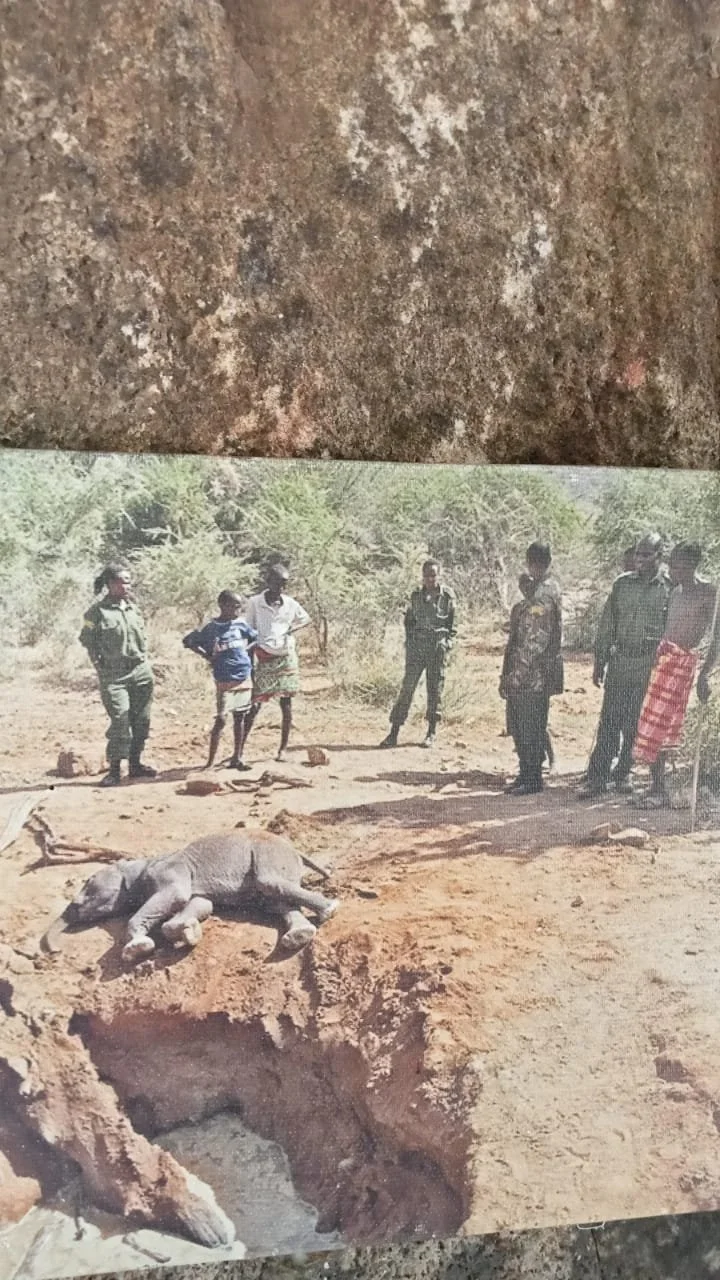
Elephants can fall into man made wells when searching for water. Photo: Naomi Lechongoro.
In the past, orphaned elephants were transported to Nairobi's orphanages, then released in distant national parks like Tsavo, Voi, and Amboseli. They never returned to the wild. The communities began to realize we were losing precious resources, a realization that burgeoned into an awareness campaign spearheaded by Namunyak Conservancy stakeholders.
Reteti Sanctuary, established in response to local community demands, focuses on rescuing, rehabilitating, and reintegrating orphaned elephant calves back into the wild. These orphans often fall victim to drought, man-made wells, human-wildlife conflict, or natural mortality. Supported by the Kenya Wildlife Service and county government, Reteti signifies our community's desire to live harmoniously with elephants in Samburu.
The transformation following Reteti's establishment has been profound. The community now earns 60% of the conservation fee, enjoys employment opportunities, and women, in particular, have found a new respect through their contributions including supplying goat's milk to the elephants. Over 600 women, including myself, are involved in this endeavor.
My journey to becoming the first female elephant keeper was not straightforward. With my village elder's blessing, I joined Reteti. Initially, we lacked knowledge in caring for baby elephants. International expertise didn't quite fit our needs, leading us to develop our unique approach, initially based on imported powdered milk and later, locally sourced goat's milk. This shift not only proved cost-effective but also supported our community during the COVID-19 pandemic.
Caring for these orphans requires more than just food; it requires love and passion, something I, as a mother, naturally provide. Each elephant has a special place in my heart, but there's always that one who shows an extra bit of gratitude, making the hard work all the more rewarding.
Our work has redefined the role of women in the Samburu community. Once undervalued, we now stand as pillars of strength and inspiration, breaking stereotypes and setting an empowering example for young girls and women.
Interestingly, the elephants themselves have become guardians of our land. While browsing, they create paths in dense bush, knock down trees for other species, and their presence deters potential threats to our livestock. Our community, in turn, has adopted non-lethal methods to coexist peacefully with these magnificent creatures.
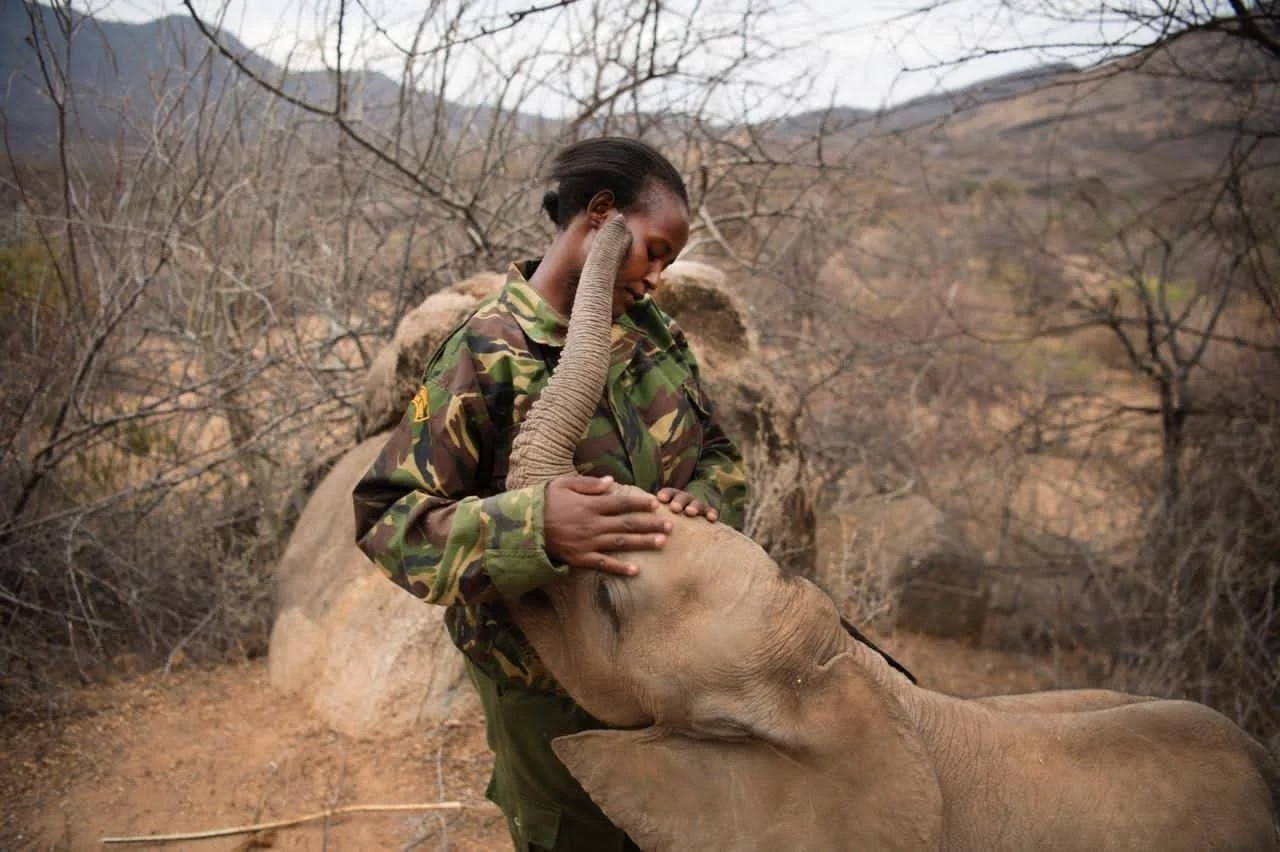
Naomi with a baby elephant at Reteti. Photo courtesy Naomi Lechonogo.
At Reteti, we nurture the elephants until they are about seven years old, ensuring they are robust enough to thrive independently in the wild. This sanctuary isn't just a haven for elephants; it's a beacon of hope and change, symbolizing the harmonious coexistence of humans and wildlife.
As I reflect on this journey, I feel immense pride in my work, my community, and the positive changes we've brought about. It's a testament to what can be achieved when we work together, respecting and protecting the natural world that sustains us all.
Related Posts