
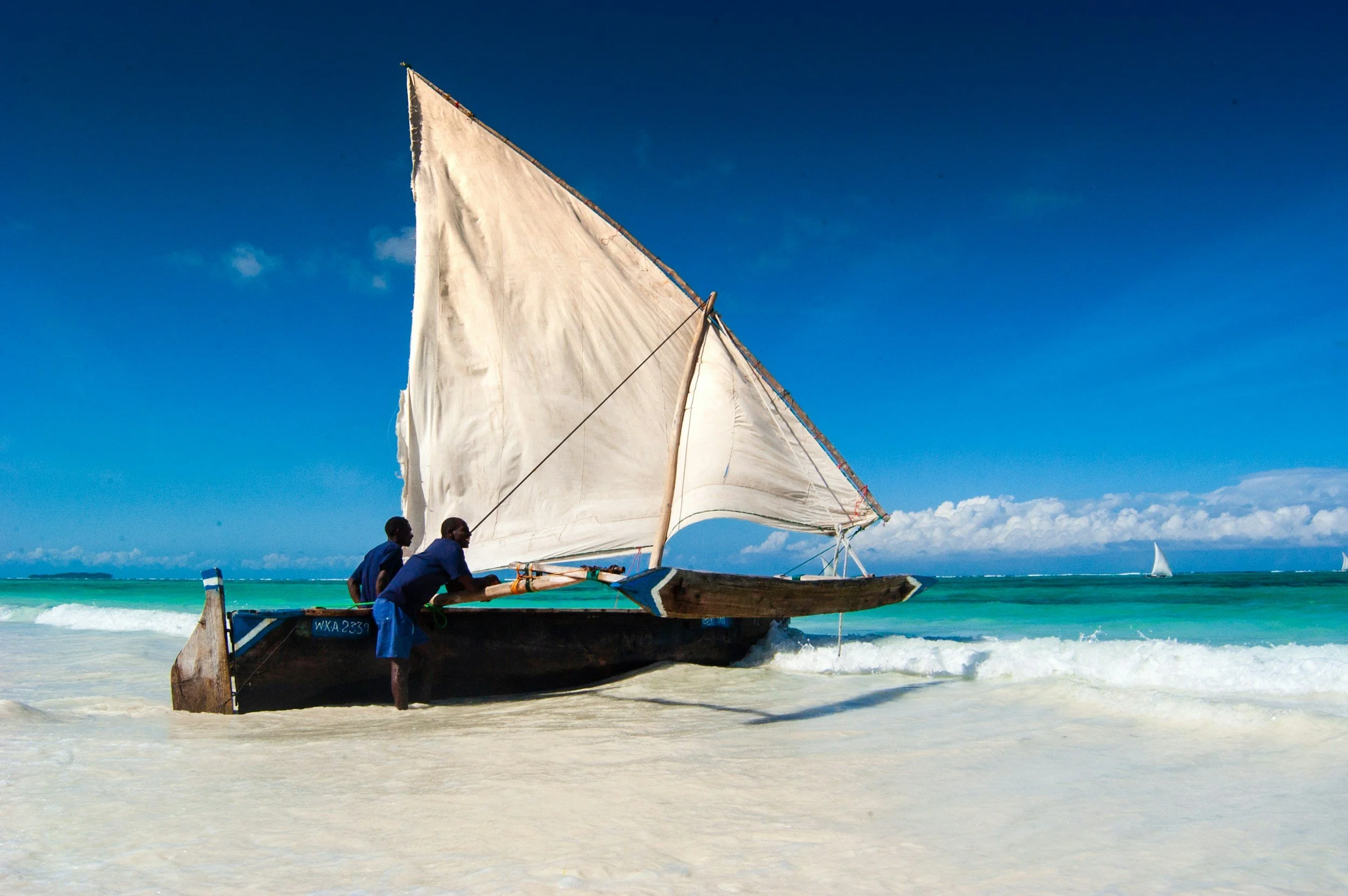
Sailing Knowledge Exchange
Embark on a shared learning journey with us as we improve our sailing skills whilst building our dream wooden catamaran. We share:
Sailing blog posts and videos;
Open-source sailing resources for beginner sailors;
Books, articles, and more.
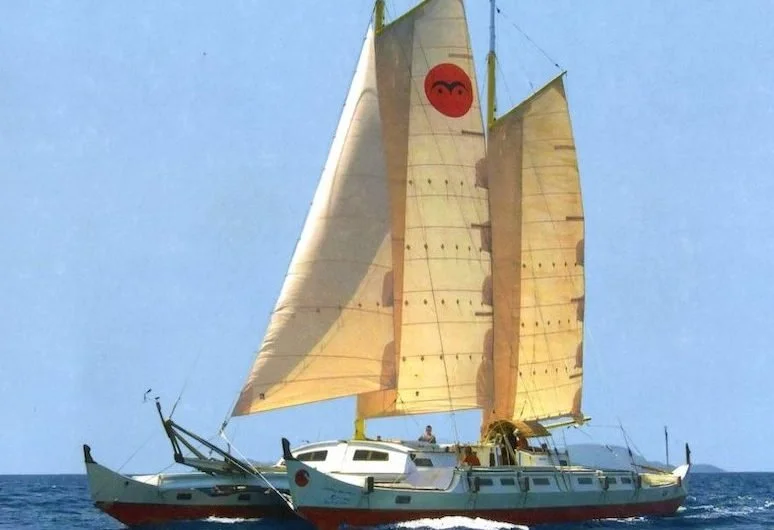
Self-build boats
Eager for a wild adventure and want to join us in building your own wooden catamaran? Wharram designs are based on years of practical, hands-on experience of building and ocean sailing catamarans. They are renowned for their seaworthiness, stability and safe simplicity. Designs from 14’ - 63’ are available for self-building in ply/epoxy with very detailed, easy to follow Plans often described as ‘a course in boatbuilding’.
latest Sailing Blog Posts

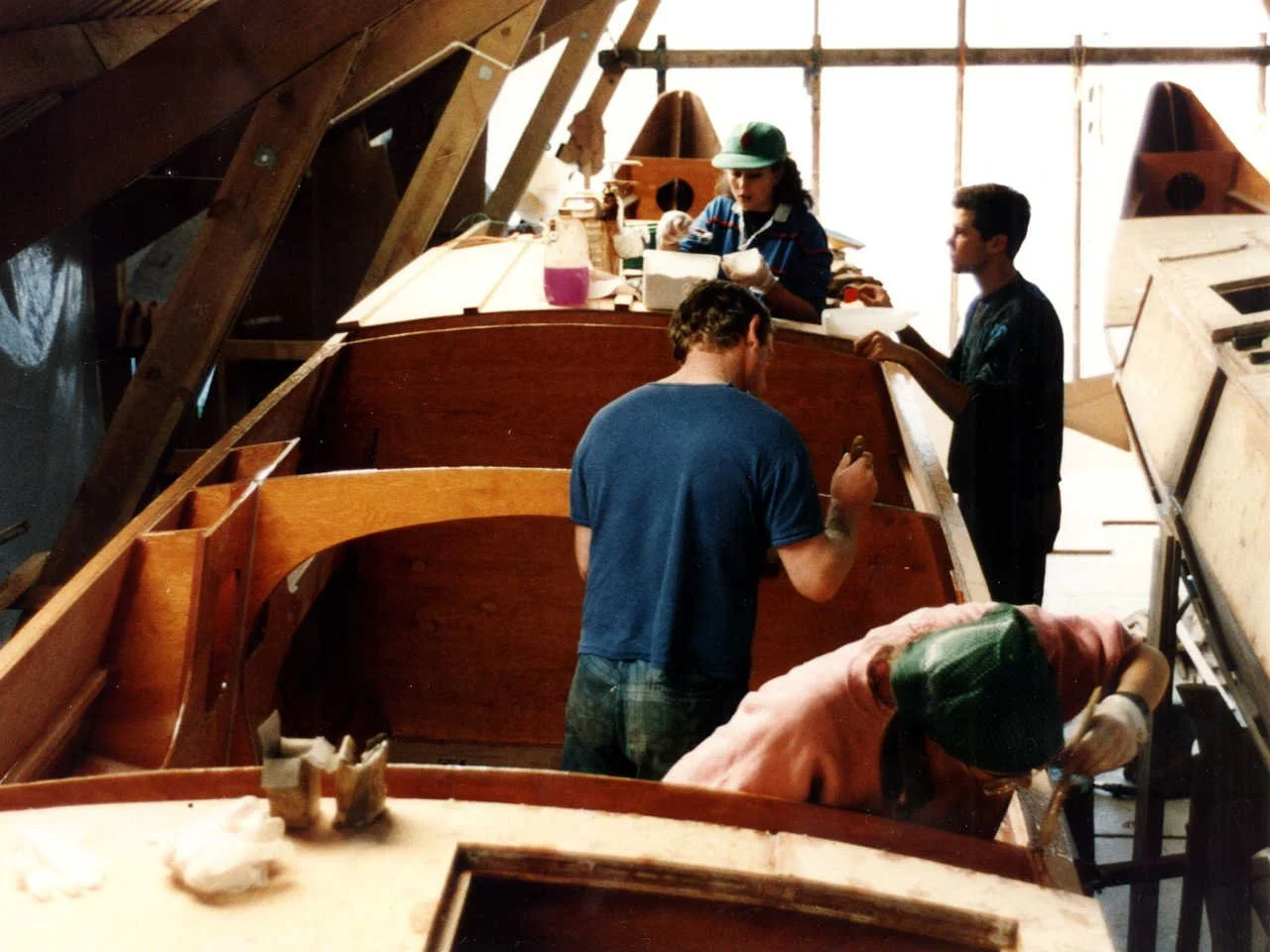













Our Popular Sailing Videos
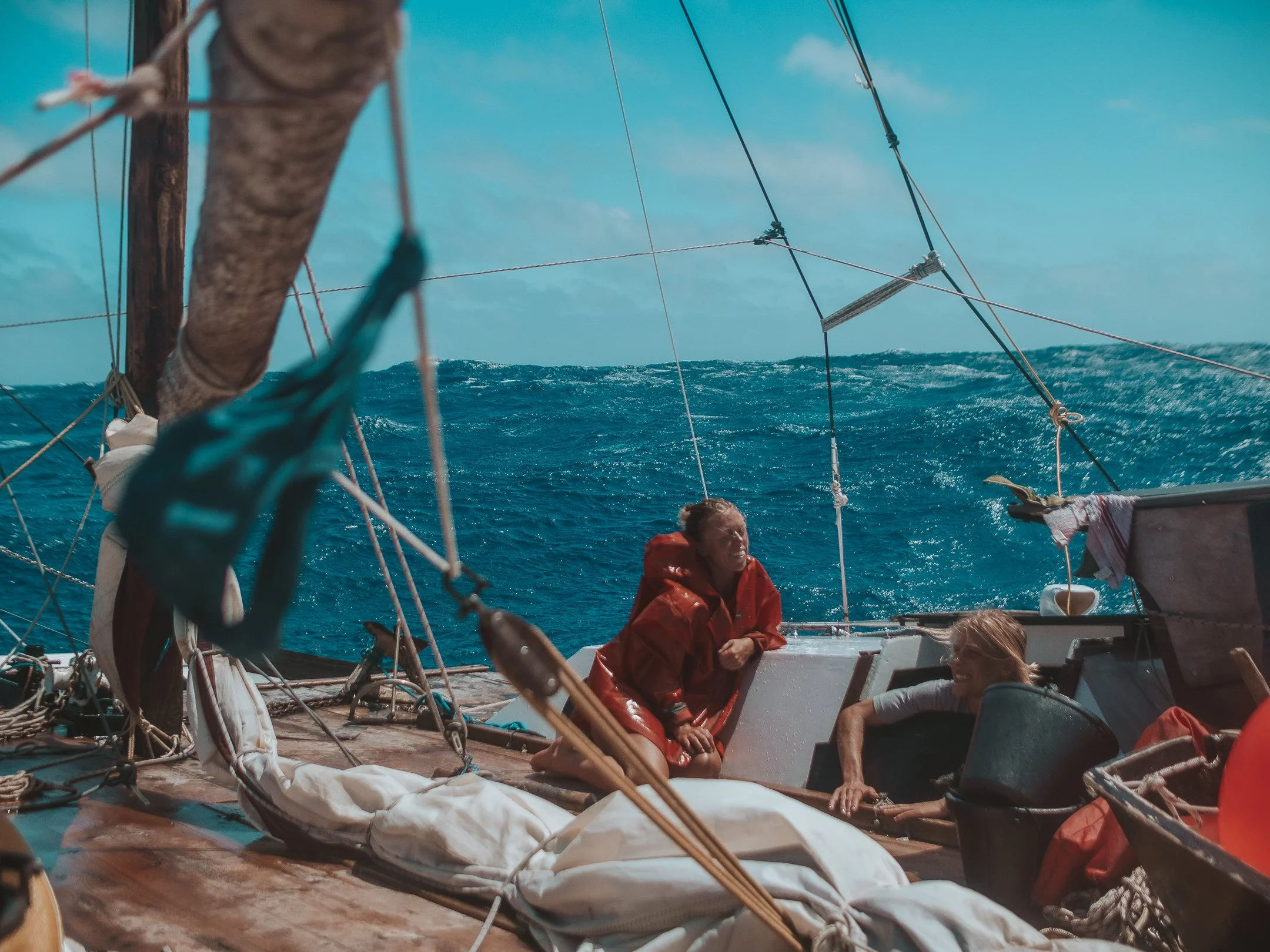
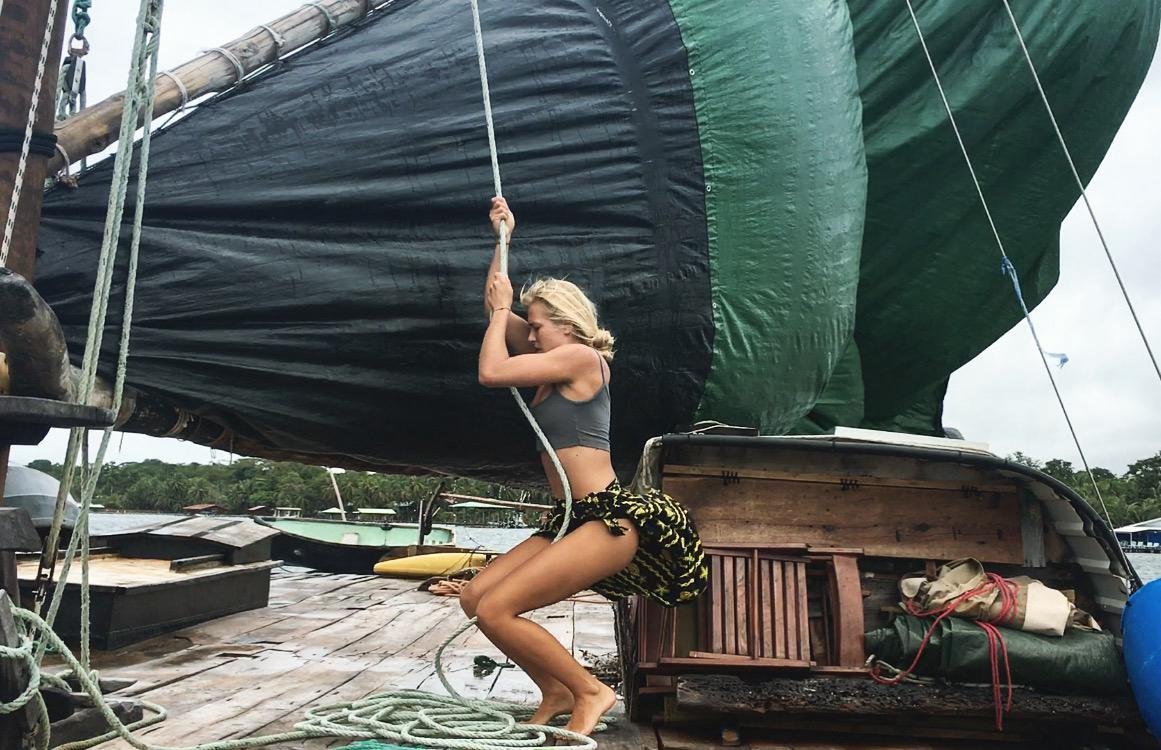
Three Women. One 50-year-old boat. The North Atlantic Ocean.
Women & the Wind
Women & the Wind
Women and the Wind is a project aimed at igniting the flames of curiosity and adventure which lay dormant within so many of us, by deepening our understanding of the synergy between nature and humanity—and by doing so radically. This project is led by a group of women and realized through a voyage across the North Atlantic on Mara Noka, a 50-year-old wooden catamaran.
Boat Buyer’s Guide
Navigate the boat-buying seas smoothly and embark on your journey to buy a secondhand sailboat with confidence. Our comprehensive guide covers budgeting, inspections, negotiation tips, and more. We also include a list of communities and forums for gathering advice and sharing information, as well as the best boat sales websites in Europe.
sailing Resources
Sailing Courses
Videos
Sailing Courses
Theory Courses
Angie is currently studying the RYA Day Skipper Theory Course online with Sailing School Brittany. This is an English theory course designed as a comprehensive introduction to cruising for inexperienced skippers. This course equips you with enough knowledge to navigate around familiar waters by day. A basic knowledge of lights is also included to introduce you to night cruising.
Practical Courses
Following the above theory examination, there is a 6-day onboard practical component of the course. The RYA stands for the Royal Yacht Association, based in the United Kingdom. Their courses are globally renowned and taught all over the world.
Private Lessons
When we first started learning to sail, we took private lessons with a certified French sailing instructor Damien Treutenaere of Ecole de Croisière. Damien was previously based in Hendaye, SW France, and being a bilingual French/English instructor he was a great fit for our family. Private lessons can be quite expensive, but you gain a lot of practical knowledge in a short time. On top of half-day lessons, we embarked on a 3-day course from Hendaye to San Sebastian and back, which was a highlight. Watch the video from this trip here.
Yacht Club/Sailing Association
Following the summer of 2022, we learned about the Yacht Club Adour Atlantique (YCAA), a sailing association no further than 10 minutes from where we are living in SW France. This is a much more affordable solution for us to sail more regularly, though the age limit is 15+ so the kids are unable to join us aboard the club’s sailboat Aracati during our sailing lessons. Read our sailing log from our first lesson with the YCAA here, when we were welcomed by a tremendous pod of Common Dolphins who played around the boat.
Public Risk Assessment Template
The Public Risk Assessment (PRA) template (download the .docx Word file below) has been adapted from a professional documentary film shoot to be more suitable for sailors visiting remote locations. You can thus mold this how you wish!
About the template:
· Work-related hazards may not be relevant but could be useful if you require insurance cover for a work-related project, otherwise we recommend that you simply focus on the hazards that are relevant to your travels and crew (ie health hazards, animal hazards, etc).
· We have included two example two example hazard columns from a previous film shoot that is more relevant to sailing in remote locations, and how we outline an emergency plan. The more detail the better.
· We have not included a COVID-19 risk assessment here but it is now required as a separate document for all my professional film shoots and I highly recommend you include a column here for Covid.
Fair winds and safe sailing!
*This document is intended as a guide for private use only.

Personal safety precautions for job-seeking yacht crew
The International Seafarers’ Welfare and Assistance Network (ISWAN) has published a much-needed safety resource to help protect yacht crew at sea. The Personal Safety Precautions for Job-Seeking Yacht Crew publication is a resource designed to guide and support all sailing crew to increase their awareness of the potential risks associated with job-hunting in the yachting industry. Created for all crew without limitations, this resource is there to empower you to make informed and safe decisions when embarking on your next yacht crewing role.
ISWAN is an international maritime charity which works to improve the lives of seafarers and their families with services, resources, strategies and advocacy.
Glossary of Terms
Welcome to our comprehensive Maritime Glossary of Terms, your go-to resource for understanding the language of the sea. Whether you're a seasoned mariner or setting sail for the first time, a clear grasp of maritime terminology is essential for safe and effective communication on the water. In this guide, we've curated a list of essential nautical terms, complete with explanations, to help you navigate with confidence. From bow to stern, from AIS to VHF, our glossary covers the terminology you need to know for a smooth and secure maritime journey. Dive in and explore the rich language of the maritime world, ensuring that you're well-equipped to communicate, navigate, and sail with proficiency.
Bear Away: Bearing away is the act of turning the boat away from the wind. It's used to sail downwind or to steer clear of hazards.
Bow: The front of a vessel.
Bow Line: The rope used to attach the bow (front) of the boat to a dock.
Boom: The boom is a horizontal pole attached to the mast. It holds the bottom of the mainsail and helps control its shape.
Boom Vang: A boom vang is a line or mechanical device used to control the tension and position of the boom.
Cardinal Mark: A cardinal mark is a sea marker used in maritime pilotage to indicate the position of a hazard and the direction of safe water.
Cleat: A T-shaped piece of metal or wood on a boat or dock to which ropes are attached.
Clove Hitch: The clove hitch is a type of knot. Along with the bowline and the sheet bend, it is often considered one of the most important knots. A clove hitch is two successive half-hitches around an object.
Current: Currents are the horizontal movements of water in the sea, often influenced by tides.
Draft: The draft of a sail refers to the depth of its curvature. Proper draft is essential for sail efficiency.
Fender: A fender is a bumper used to absorb the kinetic energy of a boat or vessel berthing against a jetty, dock wall, or another vessel adjacent to it in a marina berth.
Genoa: A genoa is a type of large jib sail or staysail that extends past the mast. It is used on single-masted sloops and twin-masted boats such as yawls and ketches.
Gybe: A gybe is when the boat turns with the wind on its stern, so behind you. It is a way of changing tacks while sailing downwind.
Headstay: The headstay is the forward-most stay (a wire or rope) that supports the mast. It keeps the mast from falling backward.
Heel: Heel refers to the boat leaning to one side due to wind pressure on the sails. Some heel is normal, but excessive heel can be corrected by adjusting sails.
Hull: The hull is the main body of the boat, the part that sits in the water. It provides buoyancy and stability.
Hull Speed: Hull speed is the maximum speed a displacement hull boat can reach. It's determined by the boat's waterline length.
Jib: The jib is a triangular sail at the front of the boat. It helps balance the boat and provides extra propulsion.
Jibsheet: The sheets (rope) used for controlling and trimming the jib of the sailboat.
Lifeline: Lifelines are cables or lines that run around the perimeter of a boat, providing safety and preventing crew from falling overboard.
Leading Lights: Leading lights are a pair (or more) of light beacons used in navigation to indicate a safe passage for vessels entering a shallow or dangerous channel; they may also be used for position fixing.
Luff: When a sail flaps or shakes because it's not trimmed properly, it's said to be luffing.
Mainsail: The mainsail is the sail rigged on the main mast of a sailboat. The sail’s foot is attached to a boom.
Mainsheet: A sheet (rope) used for controlling and trimming the mainsail of a sailboat.
Mast: The mast is a vertical pole on the boat that holds up the sails. It provides height for the sails to catch the wind.
Masthead: The masthead is the top of the mast. Some boats have instruments or lights mounted on the masthead.
Port: The left side of a vessel.
Reefing: When there is too much wind, it is important to ‘take a reef’ (reduce the sail area). When is it time to reef? A common saying is that if you’re thinking of taking a reef, then it’s time to take a reef!
Rudder: The rudder is a movable piece at the back of the boat that controls its direction. Turning the rudder changes the boat's course.
Sheet: Sheets are ropes used to control the position of sails. For example, the mainsheet controls the mainsail's angle to the wind.
Stern: The back of a vessel.
Stern / Back Spring Line: The rope used to attach the stern (back) of the boat to a dock.
Starboard: The right side of a vessel.
Tack (Point of Sail): Tack also refers to a point of sail where the boat is sailing with the wind coming over its bow. There are three basic points of sail: upwind, downwind, and reaching.
Tacking: Tacking turns the boat 90° through the wind. You are on a starboard tack when the wind is from your starboard side. You are on a port tack when the wind is from your port side.
Taking a Reef: When there is too much wind, it is important to ‘take a reef’ (reduce the sail area). When is it time to reef? A common saying is that if you’re thinking of taking a reef, then it’s time to take a reef!
Telltales: Telltales are small strips or strings attached to sails. They help indicate airflow and sail trim.
Tiller: A tiller is a steering stick commonly used in maritime vessels, particularly smaller sailboats, where it is attached to an outboard motor (found on dinghies), rudder post, or stock to give the navigator (helmsman) leverage to steer the vessel.
Winch: A winch is a device used to raise or trim sails by winding in ropes. It provides mechanical advantage for handling sails.
International Gode of Signals (ICS)
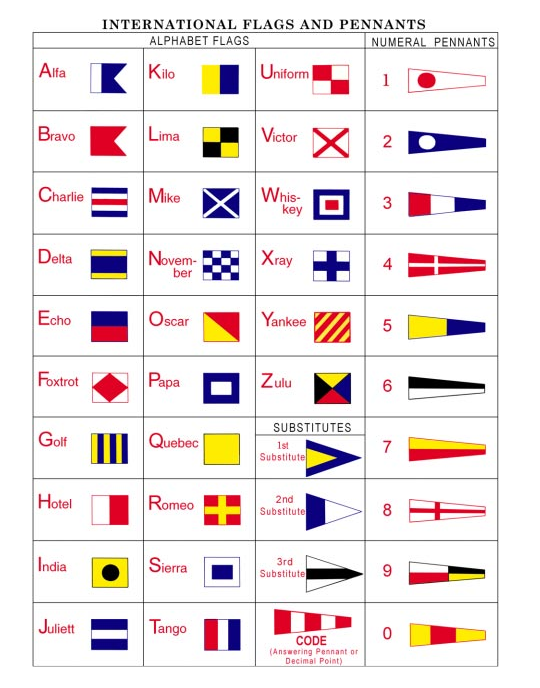
International Code of Signals (ICS) Flags and Pennants
The maritime communication coding system is known as the "International Code of Signals" (ICS). It's a standardized system used for communication between vessels at sea and with coastal stations. The ICS uses flags, sounds, and radio signals to convey messages, requests, and information. Below is a guide to the full coding system of maritime communication using the ICS.
A - Alpha
I have a diver down; keep well clear at slow speed.
Affirmative (Yes).
B - Bravo
I am taking in, discharging, or carrying dangerous goods.
I am taking in, discharging, or carrying explosives.
C - Charlie
Yes (affirmative).
No (negative).
D - Delta
Keep clear of me; I am maneuvering with difficulty.
I am making no headway.
Keep clear of me; I am disabled.
E - Echo
Altering my course to starboard (right).
I am altering my course to starboard (right).
F - Foxtrot
I am disabled; communicate with me.
I am disabled; need a tow.
G - Golf
I require a pilot.
I am carrying a pilot.
H - Hotel
I have a pilot on board.
I am busy; you may enter harbor.
I - India
I am altering my course to port (left).
You should stop your vessel instantly.
J - Juliett
I am on fire and have dangerous goods on board; keep well clear of me.
I am leaking dangerous goods.
K - Kilo
I wish to communicate with you.
I wish to communicate with you by semaphore.
L - Lima
You should stop your vessel immediately.
You may, if you wish, communicate with me by sound signals.
M - Mike
My vessel is stopped; making no way.
I am stopped.
N - November
No or negative.
I am in distress and require assistance.
O - Oscar
Man overboard.
Man overboard; return to pick him up.
P - Papa
All personnel return to ship; the drill is completed.
Proceed to sea; leave harbor.
Q - Quebec
My vessel is healthy, and I request free pratique.
My vessel is "healthy," and I request pratique.
R - Romeo
The way is off my ship.
My engines are going astern.
S - Sierra
My engines are going at full speed astern.
I am operating astern propulsion.
T - Tango
Keep clear of me; I am engaged in pair trawling.
Keep clear of me; I am carrying out trawling operations.
U - Uniform
You are running into danger.
You are standing into danger.
V - Victor
I require assistance.
I require assistance; medical assistance required.
W - Whiskey
I require medical assistance.
Medical assistance required.
X - X-ray
Stop carrying out your intentions and watch for my signals.
Stop your intentions and watch for my signals.
Y - Yankee
I am dragging anchor.
I am carrying mail.
Z - Zulu
I require a tug.
I require a tug; I am going to send a message by semaphore.
These are some of the key flags and signals used in the International Code of Signals (ICS). Mariners use these codes to communicate important messages, requests, and information while at sea. The ICS is essential for ensuring safe and efficient maritime operations and navigation.
Want to support our project? Here’s how:
Power the Journey: Contribute to our project and help keep the sails unfurled by making a one-time financial contribution with PayPal.
Join the Inner Circle: Dive deeper by becoming a Patreon for exclusive updates and member benefits, or subscribing to our Substack newsletter community.
Crew Up for Change: Explore partnership and sponsorship opportunities. Join us in creating a more sustainable and hopeful future.
Philanthropic Contribution: Match or raise our personal investment with a philanthropic contribution. Please email us to learn more.
Your involvement propels our journey and helps to create ripples of impact. Thank you.
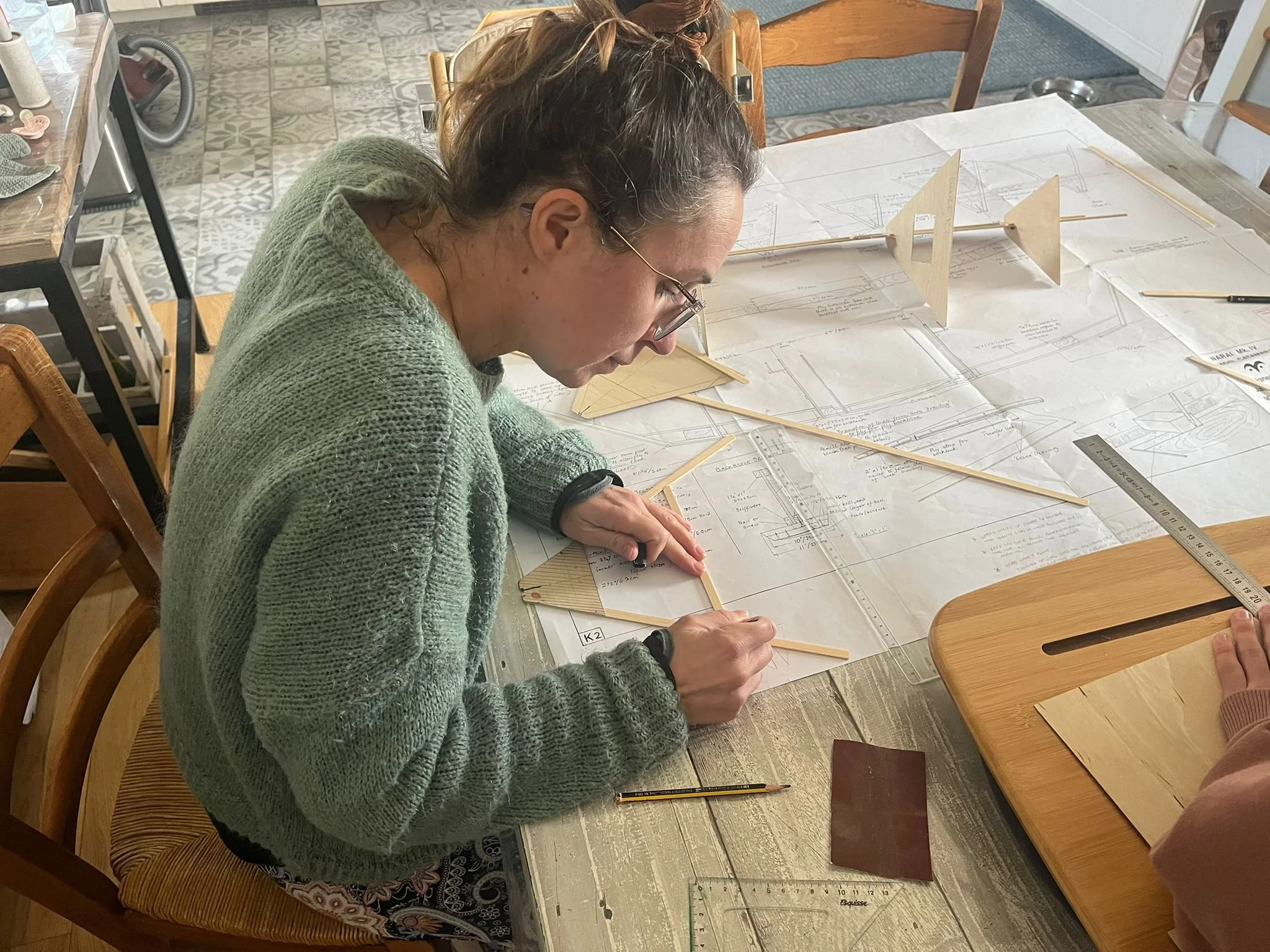
Milestone moment with our boat build, drawing the lines of our Wharram wooden catamaran.